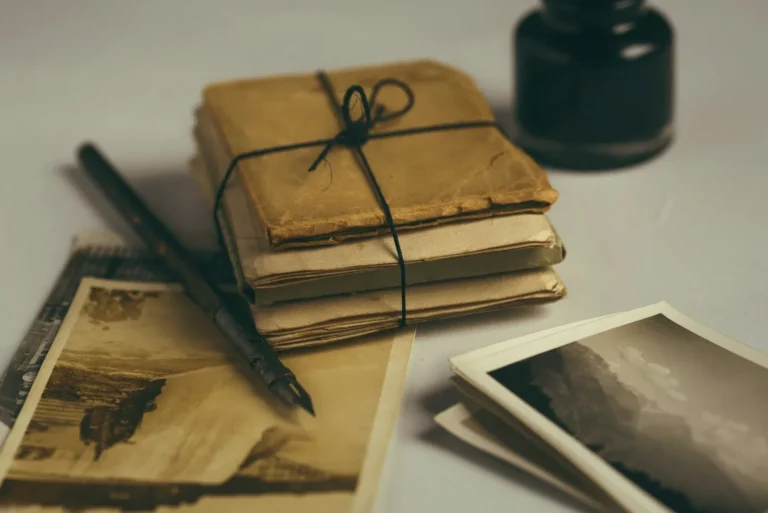
To make a junk journal from an old book, you remove some of the pages
to create room, then add your own paper, pockets, and ephemera into the
gaps. The original cover and spine give you an instant vintage base,
which is why upcycling a book is one of the most popular ways to start a
junk journal.
There is something satisfying about rescuing a battered hardback
nobody wanted and turning it into something you will actually use. A
thrifted book costs almost nothing, comes with a sturdy, characterful
cover, and already has a spine built to hold pages. You are not
destroying a book so much as giving a discarded one a second life, which
is the whole spirit of junk journaling.
This guide walks you through choosing the right book, prepping it,
and building your pages, plus a few other crafts old books are good for.
No special tools required, just a book you do not mind taking apart. If you are completely new to the craft, our complete junk journaling guide covers the basics first.
The short version: Find a sturdy thrifted hardback,
tear or cut out roughly every few pages to make room for bulk, then add
your own paper, pockets, and ephemera into the gaps. Keep some original
pages as backgrounds. The old cover and spine do the hard structural
work for you.
Why use an old book for
a junk journal?
An old book gives you a ready-made vintage cover, a sturdy spine, and
characterful pages for the price of a thrift-store find. It removes the
hardest part of making a journal from scratch, which is building a
structure that holds together.
The advantages:
Instant vintage character. The worn cover and spine
look the part with zero effort.
A spine that works. It is already built to hold and
open pages, so you skip binding.
Built-in backgrounds. Original printed pages make
perfect collage backdrops.
Almost free. Thrift stores, library sales, and your
own shelves are full of candidates.
Sustainable. You are reusing a book headed for the
landfill.
If you would rather start with a blank base instead, our guide to the best journal for junk
journaling covers notebooks and handmade options.
What kind of old book works
best?
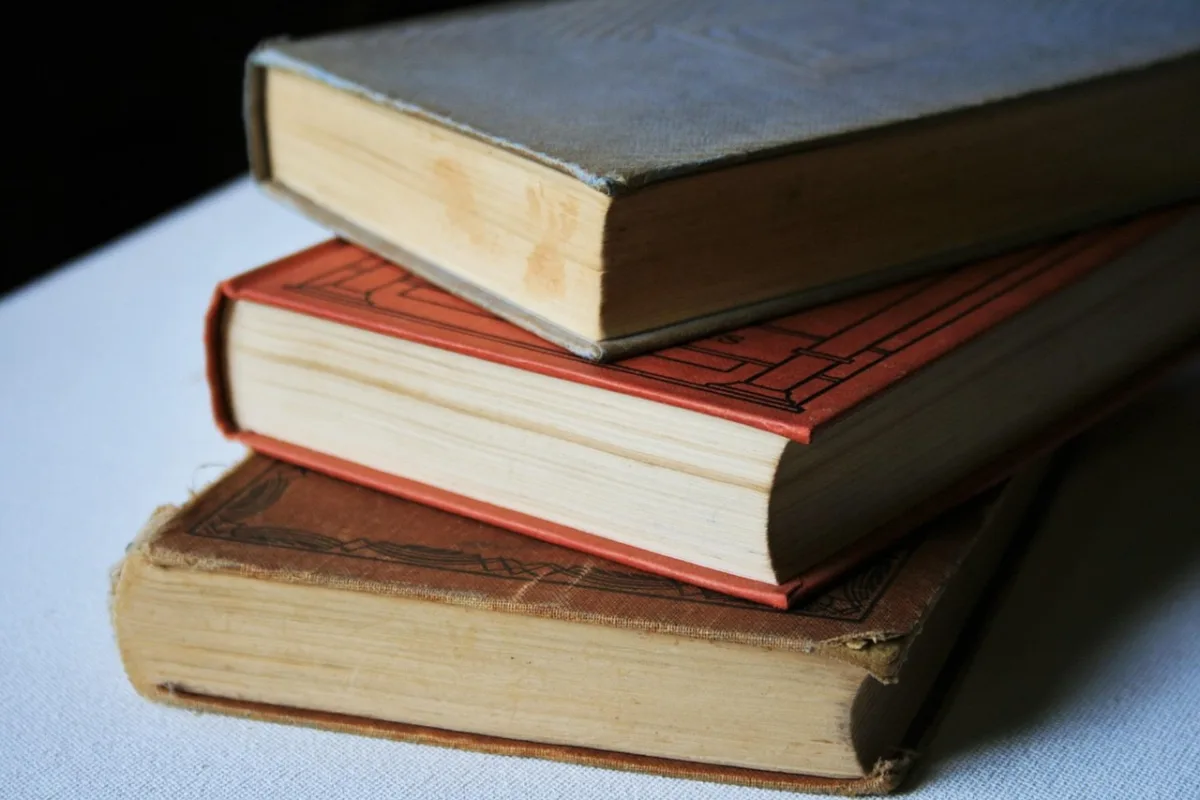
The best books to upcycle are sturdy hardbacks with sewn bindings, a
cover you like, and pages you do not mind altering. Avoid paperbacks and
books with weak, glued spines that will fall apart as you add bulk.
What to look for:
A hardback cover that is solid and has a look you
like (vintage cloth covers are ideal).
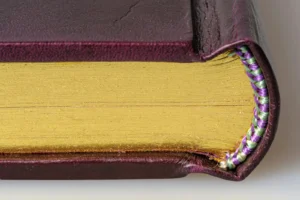
A sewn binding, where you can see thread holding
page bundles, rather than a purely glued spine.
A size that suits you, with A5-ish and smaller
being easy to handle.
Pages you are happy to alter, so skip anything
rare, valuable, or sentimental.
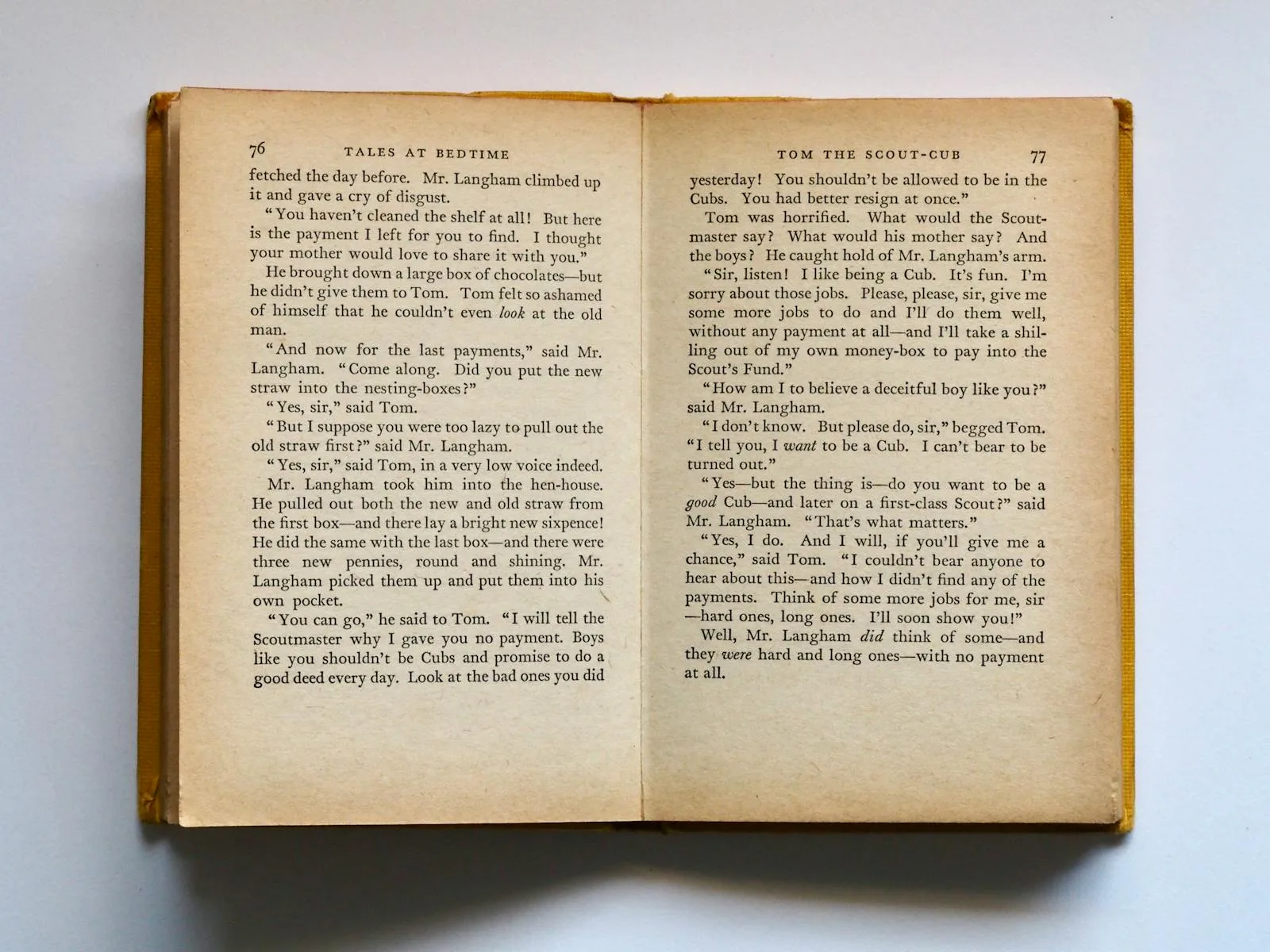
Old library discards, outdated textbooks, and battered novels are
perfect. A children’s classic like a Little Golden Book is a popular
small-format choice. Whatever you pick, make sure it is genuinely
unwanted, since the point is to rescue, not to ruin something with
value.
Before you cut into anything: Check the book is
truly unloved. Skip first editions, signed copies, anything rare, and
anything with sentimental value to someone. The ideal candidate is a
water-stained, broken-spined thrift find that would otherwise be pulped.
Rescuing those is what junk journaling is all about.
How to
turn an old book into a junk journal, step by step
The process is simple: prep the book, remove pages to make room,
reinforce if needed, then add your own pages and embellishments. You can
do the basic conversion in an afternoon.
Choose and clean your book. Wipe the cover, and if
the spine is loose, dab a little PVA inside it to firm it up.
Remove pages to make room. Tear or cut out roughly
every third to fifth page. This leaves stubs that create space for the
bulk you will add, so the book can close once it is full.
Keep some pages as backgrounds. Leave a good number
of original pages in place to use as printed collage backdrops.
Reinforce the signatures. If page bundles feel
loose, you can add a few stitches or glue tabs to strengthen them.
Add your own pages and inserts. Glue in folded
paper, printables, and pockets, attaching them to the leftover
stubs.
Build pockets and tucks. Add envelopes and folded
pockets for tucking in tags and keepsakes.
Decorate the cover and edges. Age the page edges
with ink and add to the cover if you like.
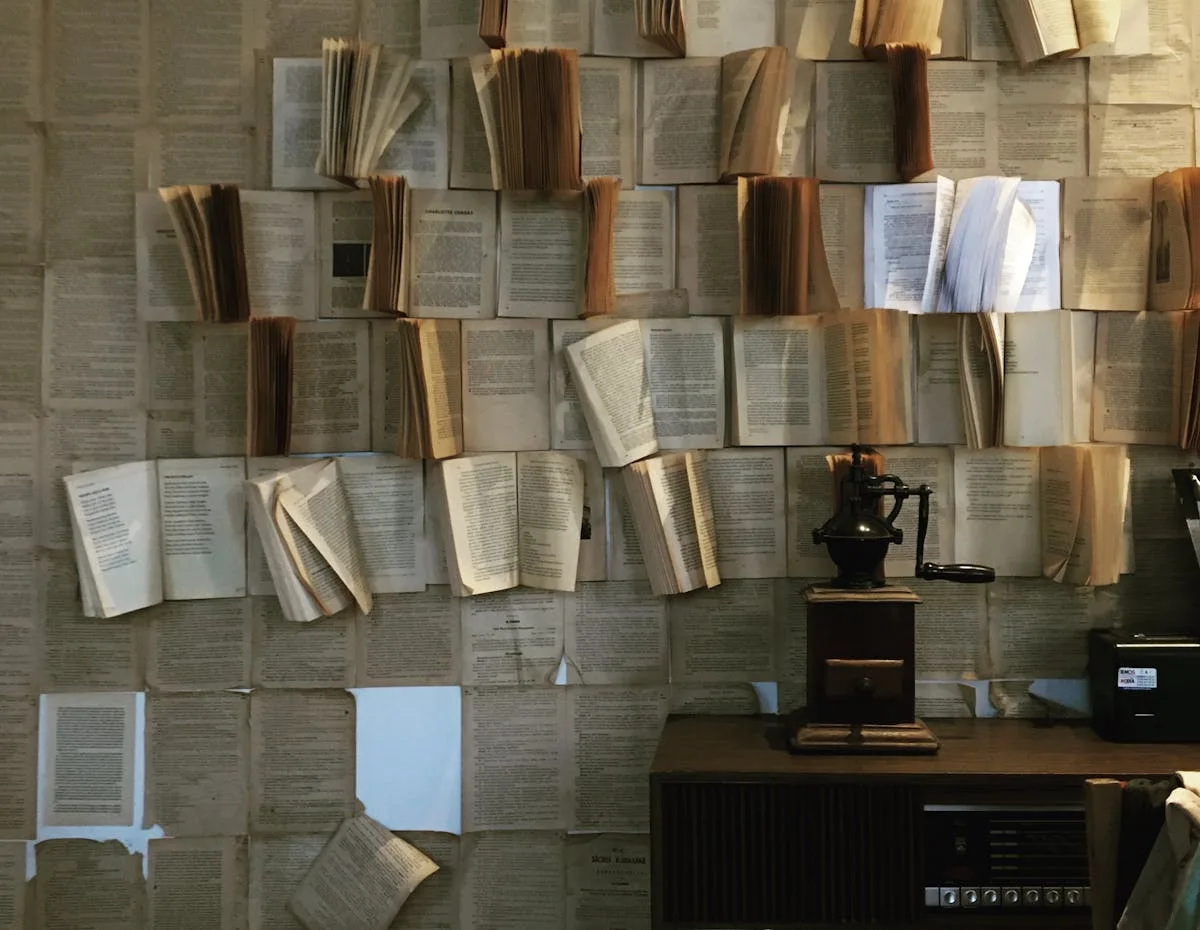
Beyond junk journals, old books are great for altered books, paper
flowers, book-page garlands, and folded book art. If you have a stack of
unwanted books, there is plenty to make beyond a single journal.
A few ideas:
Altered book art. Paint, collage, and cut directly
into a book as an art piece.
Book-page flowers and garlands. Roll or fold pages
into flowers, or string them into banners.
Folded book sculptures. Fold page edges into
patterns or words.
Ephemera and backgrounds. Use loose pages as
collage material across other projects.
These pair naturally with junk journaling, since the offcuts from one
project feed the next.
How many pages should you
remove?
Remove roughly every third to fifth page, which leaves enough stubs
to anchor new inserts while making room for the bulk you add. Removing
too many weakens the structure; too few leaves no space for layers.
The goal is balance: enough removed that the finished,
ephemera-stuffed book can still close, but enough left that the spine
stays strong and you keep some original pages as backgrounds. You can
always remove more as you go, so start conservative.
Frequently asked questions
How do you make a
junk journal out of a book?
Remove roughly every few pages to make room, keep some pages as
backgrounds, then glue in your own folded paper, pockets, and ephemera
on the leftover stubs. The original cover and spine give you a
ready-made vintage base.
What books are best for
junk journaling?
Sturdy hardbacks with sewn bindings and covers you like, such as old
library discards, outdated textbooks, or battered classics. Avoid
paperbacks, glued spines, and anything rare or sentimental.
Is it bad to cut up
old books for crafts?
Not if the book is genuinely unwanted. Upcycling water-damaged,
broken, or discarded books rescues them from the landfill. Just avoid
rare, valuable, or sentimental books that someone would want to keep
whole.
How
many pages do I remove from a book for a junk journal?
About every third to fifth page. That makes room for the bulk you add
while leaving stubs to anchor new pages and enough original pages for
backgrounds. Start conservative and remove more if needed.
Do I need to reinforce the
book?
Sometimes. If the spine is loose, dab PVA inside it, and if page
bundles feel weak, add a few stitches or glue tabs. A sturdy sewn
hardback often needs little reinforcement.
Rescue a book and start
An old book is the cheapest, most characterful base you can use, and
turning one into a junk journal is a genuinely satisfying afternoon.
Find a sturdy thrifted hardback, remove some pages, and start adding
your own.
Want pages to add? Our free printable starter kit
gives you vintage paper, tags, and pockets to glue straight into your
upcycled book. Sign up below and we will send it over.
Get free junk journal printables
New printables, page ideas, and paper craft tutorials, straight to your inbox.
This post contains affiliate links. We may earn a commission when you download a freebie or buy a subscription on Creative Fabrica, at no extra cost to you. Junk journal ephemera is the loose category of paper, fabric, and small flat objects that get glued, tucked, or layered into junk journals. It covers vintage paper,…
Stuck staring at a blank spread? 50 junk journal prompts grouped by mood, with reflection, memory, themed, visual, and one-line ideas to break the block.
New to junk journaling? Learn what a junk journal is, what you need to start, and how to make your first pages using things you already have.
Manage Consent
To provide the best experiences, we use technologies like cookies to store and/or access device information. Consenting to these technologies will allow us to process data such as browsing behavior or unique IDs on this site. Not consenting or withdrawing consent, may adversely affect certain features and functions.
Functional
Always active
The technical storage or access is strictly necessary for the legitimate purpose of enabling the use of a specific service explicitly requested by the subscriber or user, or for the sole purpose of carrying out the transmission of a communication over an electronic communications network.
Preferences
The technical storage or access is necessary for the legitimate purpose of storing preferences that are not requested by the subscriber or user.
Statistics
The technical storage or access that is used exclusively for statistical purposes.The technical storage or access that is used exclusively for anonymous statistical purposes. Without a subpoena, voluntary compliance on the part of your Internet Service Provider, or additional records from a third party, information stored or retrieved for this purpose alone cannot usually be used to identify you.
Marketing
The technical storage or access is required to create user profiles to send advertising, or to track the user on a website or across several websites for similar marketing purposes.