This post contains affiliate links. We may earn a commission when you download a freebie or buy a subscription on Creative Fabrica, at no extra cost to you.
Junk journal ephemera is the loose category of paper, fabric, and small flat objects that get glued, tucked, or layered into junk journals. It covers vintage paper, postcards, tickets, stamps, tags, lace, dictionary pages, pressed flowers, family photos, and any printed material originally meant to be thrown out. If you can flatten it and stick it in a book, it counts.
Most junk journalers have the same realization within their first month. They open the drawer in the kitchen, the one with the old receipts, the wedding invitation from a wedding they did not go to, the takeout menu from the place that closed, the tea-bag wrappers they could not quite throw out, and the corner of a birthday card from the year before. Then they realize the drawer was already a junk journal supply closet. Everything in it was ephemera.
This post is the practical map of that realization. What ephemera actually is, the eight or so types you will reach for most, where to find more of it for free, where to pay when free runs out, and how to organize the pile so the next time you sit down to journal you are not digging through a shoebox.
The short version: Ephemera is anything paper-thin that already exists in the world and can be glued into a book. The four cheapest sources are a junk drawer, a thrift store, free printable packs you can download today, and the family album. The four paid sources, in roughly increasing order of cost, are Dollar Tree, vintage ephemera shops on Etsy and Creative Fabrica, antique markets, and curated ephemera kits.
Ephemera is the historical term for printed material meant to be thrown out within a short period: tickets, programs, posters, leaflets, advertisements, packaging. It comes from the Greek for “lasting a day.” In junk journaling, the word has stretched to cover almost any flat, layerable material that adds texture or story to a page.
There are two useful working definitions to keep in mind:
Strict definition. Original printed material designed to be temporary. A real 1940s movie ticket. A 1970s grocery receipt. A handwritten dance-card from a wedding.
Working definition (what most junk journalers mean). Anything paper-thin, found or printed, that adds visual interest to a spread. This includes printed reproductions of vintage ephemera, modern stationery cut into ephemera-like pieces, lace and fabric, pressed botanicals, and tags.
Both are right. The strict version sounds nice. The working one is what fills books.
Types of junk journal ephemera
The same six or seven categories show up in almost every finished junk journal. Mix and match these, and you have the full palette of the craft.
Paper ephemera. Receipts, tickets, programs, business cards, takeout menus, package inserts, junk mail with interesting print, old envelopes. The everyday backbone.
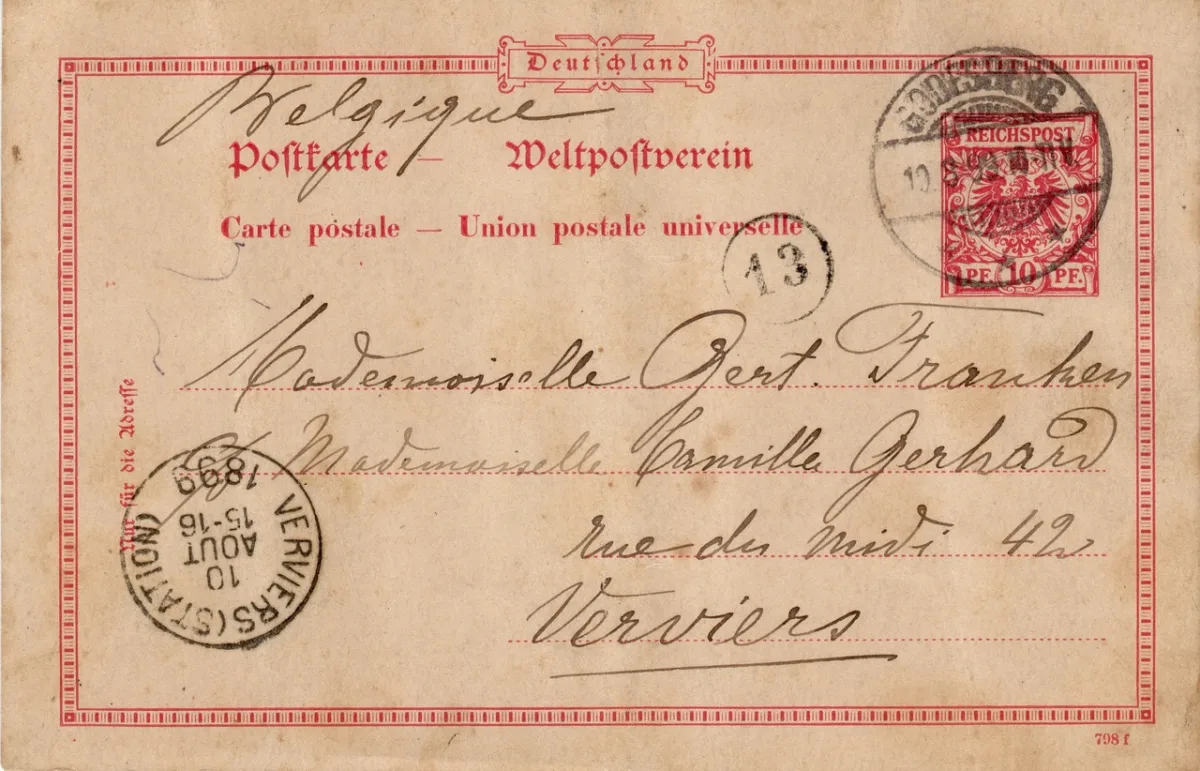
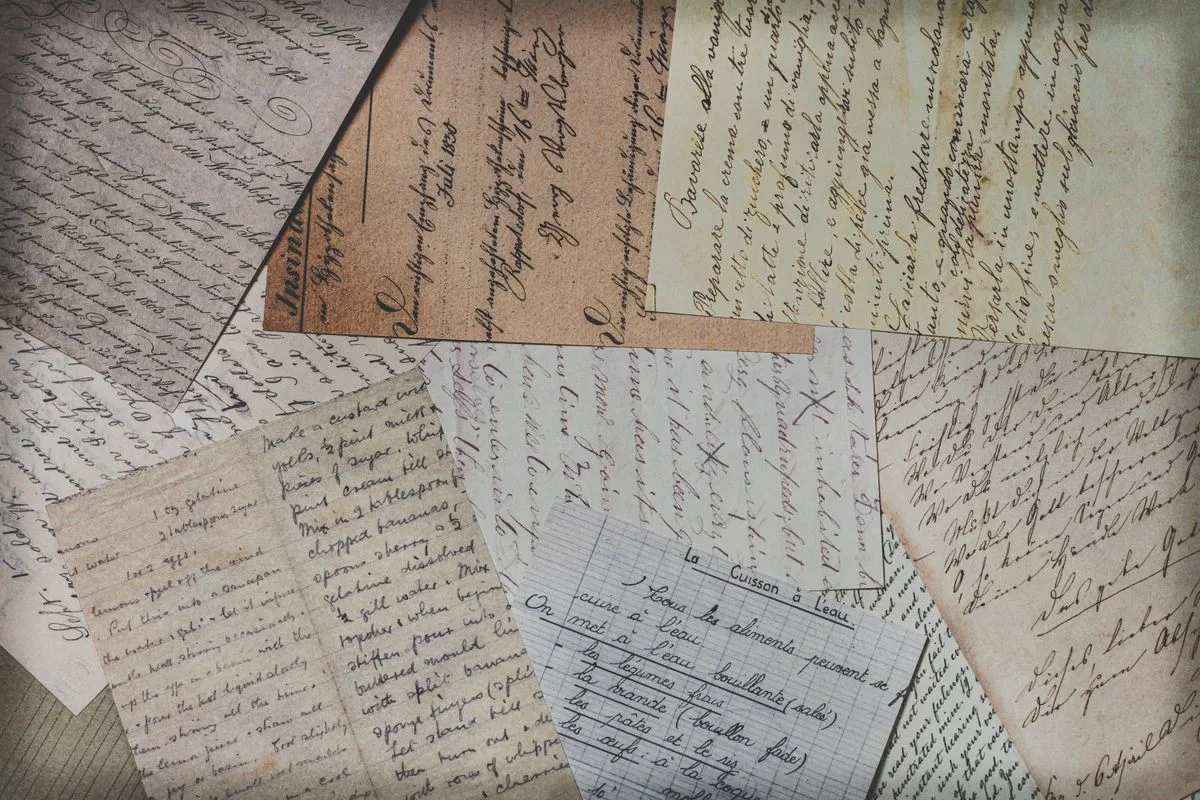
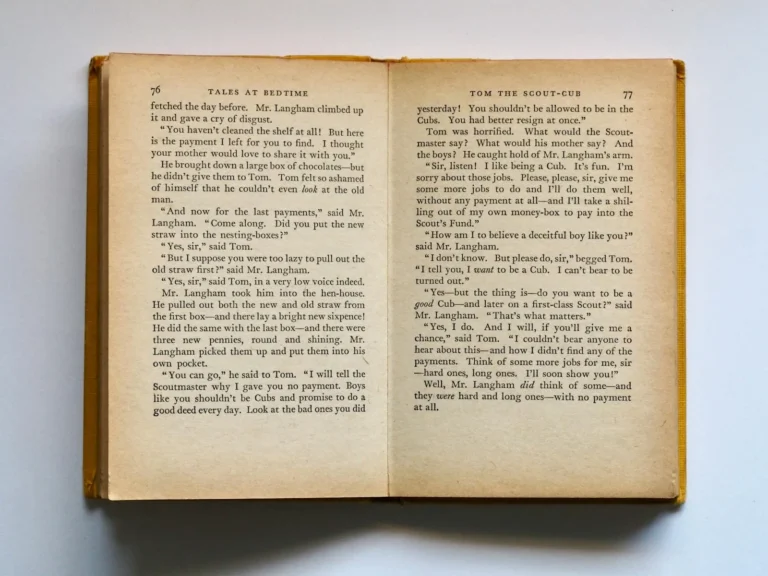
Vintage paper ephemera. Dictionary pages, music sheets, atlas pages, old book pages, antique letters, vintage postcards, telegrams. The “warm aged” look of most junk journals.
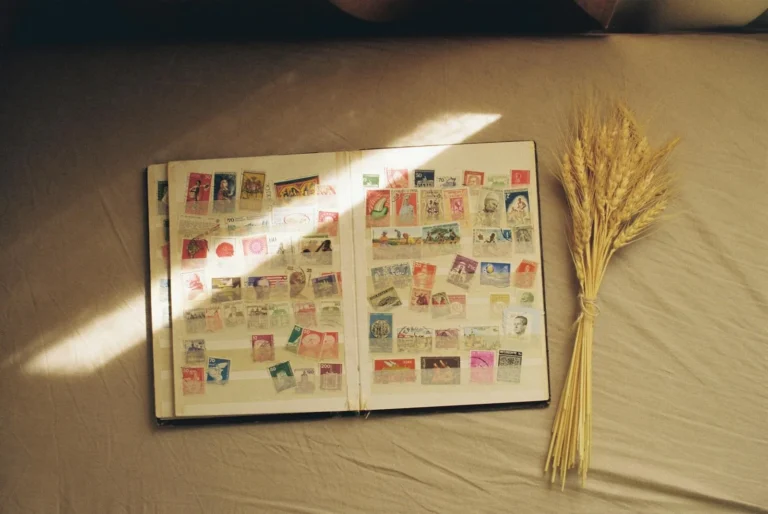
Stationery and labels. Postage stamps (used or new), shipping labels, sticker sheets, address labels, pricing tags, library cards.
Photographs. Family photo duplicates, thrifted vintage photographs, photo booth strips, polaroid mistakes. Use copies for one-of-a-kind originals.
Found objects (flat enough to glue). Pressed pennies, foreign coins glued onto card, washi tape, paper clips, small keys taped to a tag.
Skip whole categories if they do not fit your style. Travel journalers lean heavily on paper and stationery. Nature journalers lean on botanicals. Vintage-style journalers reach for the antique paper category first. See our junk journal examples post for full type-walkthroughs.
Where to find junk journal ephemera (free first, then paid)
You almost certainly do not need to buy ephemera before you start. The free sources usually cover the first three or four books. Move to paid only when free has dried up or when you want a specific theme.
Free sources
Your own junk drawer. Open the drawer. Tip it out. Sort what you find. This single step usually produces six months of supplies. Receipts, ticket stubs, wedding invitations, save-the-dates, packaging from interesting purchases, takeout menus, brochures, expired ID cards, anything paper.
The recycling bin (yours and a friend’s). Cereal boxes, tea boxes, magazine inserts, mail you would have tossed. Ask a friend to save theirs for a week. You will be flooded.
Free printable packs. Many craft sites and independent designers release free printable ephemera (vintage labels, tags, paper, postcards) under personal-use licenses. Print one or two packs on plain paper and you have a starting library. See our free junk journal printables for the curated list.
The family album. With permission, copies of old family photos, letters, postcards, and recipe cards. Always scan and copy, never glue the original.
The library book sale and curb pile. Old books bound for the discard pile are the cheapest source of vintage paper there is. Strip them for pages. See our how to make a junk journal from an old book for the upcycle workflow.
Paid sources
Dollar Tree (US). Sticker sheets, washi tape, decorative paper, holiday tags, journaling cards. Hit-or-miss but cheap.
Thrift stores and estate sales. Old books, old letters, old postcards, old wedding albums. The longest-lasting source for genuine vintage paper.
Etsy and Creative Fabrica. Independent designers selling vintage ephemera packs, themed kits, and printable bundles, with generous personal-use licensing on most. Word and phrase sheets are the easy add, since they fill the captions and titles a spread always seems to need: a phrases and words pack, a seasonal summer words set, an artist words sheet, or the brighter bright days pack. Ten of these come free each month on their plan, which is plenty to test a style.
Antique markets and flea markets. Genuine antique ephemera (1900s-1950s most common). Pricier per piece but the real thing.
Curated ephemera kits. Pre-assembled themed kits, mostly on Etsy and through craft subscription boxes. Convenient, especially for gifts, but lower value per dollar than buying loose.
Free printable ephemera packs
The free printable category deserves its own section because it has changed the craft. A junk journaler in 2026 can build a full themed journal from free printables alone, printed at home on plain paper or kraft, then aged with brown ink and torn at the edges.
Free printable ephemera typically includes:
Tags and labels in vintage and seasonal designs.
Mini envelopes, pockets, and folders to assemble and glue in.
We keep a running roundup at free junk journal printables with the strongest current free packs. Sign up to our newsletter for the Craft Wren free starter printable pack, which gives you 12 ready-to-print pages, tags, and pockets you can use in your first journal this weekend.
How to use ephemera in a junk journal
Ephemera works hardest when it serves the spread, not the other way around. Beginners often glue a beautiful piece of vintage paper to a page and stop, then wonder why the spread feels flat. The piece needs a layer under it and a layer over it.
Three working approaches:
Background, mid layer, focal. Glue a soft-pattern background (script, ledger, ephemera collage), then a mid-sized ephemera piece off-center, then a small focal element (a stamp, a tag, a single photo).
The pocket reveal. Glue an envelope or a pocket onto the page, then tuck three or four pieces of ephemera inside that the reader will pull out one at a time. Layered storytelling.
The cluster. Tear five small ephemera pieces (a stamp, a ticket, a corner of dictionary text, a tag, a button-shape from card stock). Glue them in a tight overlapping cluster on one side of the spread, with white space on the other side.
The signal you are using too much ephemera: the page no longer closes flat, the spine bulges, and you cannot remember what the original idea was. Pull two pieces off. Save them for the next spread.
Ephemera also pairs naturally with the right adhesive. Heavy vintage paper needs PVA glue or a tape runner. Lace needs gel medium. Fragile printables need a glue stick first to test for bleed-through. See our best glues for paper crafts for the by-job breakdown.
How to organize and store ephemera
A growing ephemera collection turns into a junk drawer of its own without a system. The system does not need to be elaborate, but it does need to exist.
The simplest working setup:
A shoebox per category. Paper ephemera, vintage paper, stationery, photos, botanical, fabric. Six boxes, label the front. Almost free.
A page-protector binder. A 3-ring binder with clear page protectors, one category per protector. Lets you flip to find a piece.
A flat file drawer. For people who collect a lot. Wide shallow drawers, one per category. Pricier setup, kinder on fragile vintage paper.
Whatever the storage, two principles hold. Flat material stays flat (no folding, no stacking with heavy objects on top of pressed botanicals). And photographs go in their own dedicated container because graphite, pigment ink, and acid from other paper will transfer to them over time.
Frequently asked questions about junk journal ephemera
What counts as ephemera in junk journaling?
Anything paper-thin or flat that can be glued or tucked into a book. Strictly speaking, ephemera is printed material meant to be thrown out (tickets, programs, leaflets), but junk journalers stretch the term to cover any layerable found or printed material, including vintage paper, photographs, lace, and pressed botanicals.
Where can I get junk journal ephemera for free?
Start with your own junk drawer, recycling bin, and family album. Then add free printable ephemera packs from craft sites and independent designers (we keep a curated list in our free junk journal printables post). Old books from library sales or curb piles are the cheapest source of genuine vintage paper.
What is the difference between ephemera and printables?
Ephemera is the broad category of layerable flat material (found, vintage, or printed). Printables are a specific subset: digital files designed to be printed at home as ephemera-like pieces. All printables can be ephemera, but most ephemera is not printables. Free printables are the fastest way to grow your collection without leaving the house.
Can I use newspaper as junk journal ephemera?
Yes, with one caveat. Newsprint yellows quickly and is acidic, so it will brown other paper it touches over years. Either use it as a deliberately aging element (which works well for vintage themes), or seal it with a matte medium before gluing it next to photographs or pieces you want to preserve.
How much ephemera do I need to start a junk journal?
Less than you think. A first journal usually needs about 30 to 50 pieces total: roughly two backgrounds, three mid layers, and three or four focal pieces per spread, for ten to fifteen spreads. You can collect that much from a junk drawer in an afternoon, or print it from one free pack.
Start with what you already have
Walk to your junk drawer. Open it. Tip half of it onto a table. Sort what comes out into the six categories above and you have just built your first ephemera stash, almost certainly for free, in less time than it takes to scroll through an Etsy ephemera shop.
From there, the rest of the cluster carries you forward: supplies for what you still need to buy, page ideas for what to do with the pile, free printables to fill the gaps, kits when you want everything in one box, and the complete beginner’s guide for the wider habit.
The drawer that has been collecting receipts, ticket stubs, and old letters for the last decade was waiting for this. Soon enough, the drawer becomes the journal.
Want a head start on the printable side? Grab the free Craft Wren printable ephemera pack with 12 vintage-style pages, tags, and pockets, ready to print on plain paper and age with brown ink today.
Get free junk journal printables
New printables, page ideas, and paper craft tutorials, straight to your inbox.
To make a junk journal, you fold a small stack of paper into signatures, pierce three holes along the fold, and sew the signature to a flexible cover with a single length of thread. From there it is paper, glue, and a stack of receipts you forgot you saved. The whole bind takes about an…
A junk journal example is a finished or in-progress book you can look at to see how the supplies, pages, and cover actually fit together. We have grouped the most useful types below, with a short walkthrough of what each one looks like inside, so you can find the version closest to the journal you…
25+ junk journal cover ideas, from fabric and vintage paper to mixed-media and themed designs, plus a simple way to make your own cover.
Manage Consent
To provide the best experiences, we use technologies like cookies to store and/or access device information. Consenting to these technologies will allow us to process data such as browsing behavior or unique IDs on this site. Not consenting or withdrawing consent, may adversely affect certain features and functions.
Functional
Always active
The technical storage or access is strictly necessary for the legitimate purpose of enabling the use of a specific service explicitly requested by the subscriber or user, or for the sole purpose of carrying out the transmission of a communication over an electronic communications network.
Preferences
The technical storage or access is necessary for the legitimate purpose of storing preferences that are not requested by the subscriber or user.
Statistics
The technical storage or access that is used exclusively for statistical purposes.The technical storage or access that is used exclusively for anonymous statistical purposes. Without a subpoena, voluntary compliance on the part of your Internet Service Provider, or additional records from a third party, information stored or retrieved for this purpose alone cannot usually be used to identify you.
Marketing
The technical storage or access is required to create user profiles to send advertising, or to track the user on a website or across several websites for similar marketing purposes.