This post contains affiliate links. We may earn a commission when you download a freebie or buy a subscription on Creative Fabrica, at no extra cost to you.
The fastest way to land on a junk journal idea you will actually make is to pick a theme, a season, a style, or a format from the lists below and start a single spread in that direction. The list runs about 30 ideas long, grouped by which decision they answer (what is the journal about, when is it for, how does it look, how is it built).
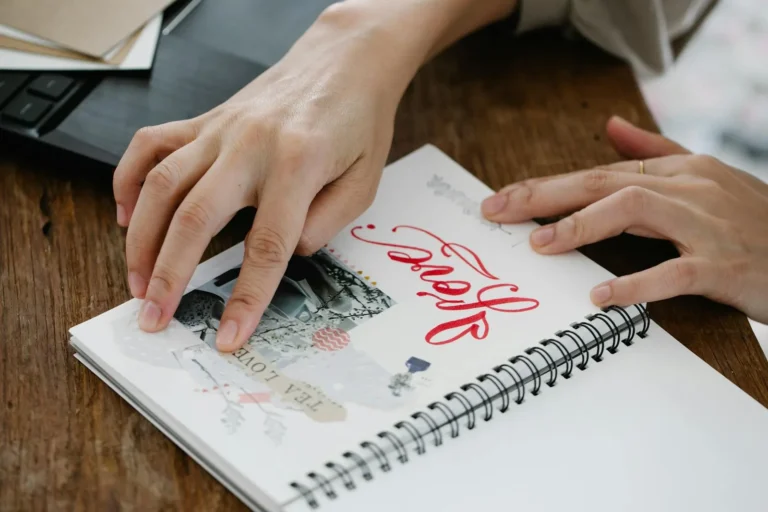
Most junk journalers have spent at least one Saturday saving fifty Pinterest pins, opening their actual journal once, and closing it again ten minutes later. The problem is not lack of ideas. The problem is that an idea on Pinterest is one beautiful corner of one spread, and that is rarely enough to start your own. You need a category. You need a direction. You need permission to commit to one thing for the next ten pages instead of trying to chase all fifty pins at once.
We grouped the 30+ ideas below by the decision they actually answer, so by the end you have a theme, a season, a style, or a format you can commit to today and stop scrolling. Pick one. Start one spread. The rest gets easier from there.
The short version: The four main families of junk journal ideas are themed (travel, garden, prayer, fandom), seasonal (autumn, winter, christmas, january reset), style-based (vintage, gothic, cottagecore, dark academia, minimalist), and format-based (mini, paper bag, folder, fabric-cover). Pick a family first, then one idea from inside it, then start a single spread. The shortcut is no deeper than that.
Themed journals are the most popular type because the theme answers the hardest question (what is this book about) before you start. Once you have a theme, every spread builds on the last instead of starting from scratch.
Travel junk journal. One trip per book or one country per book. Tickets, hotel keycards, foreign currency envelopes, photo strips, hand-drawn maps, daily mini-entries.
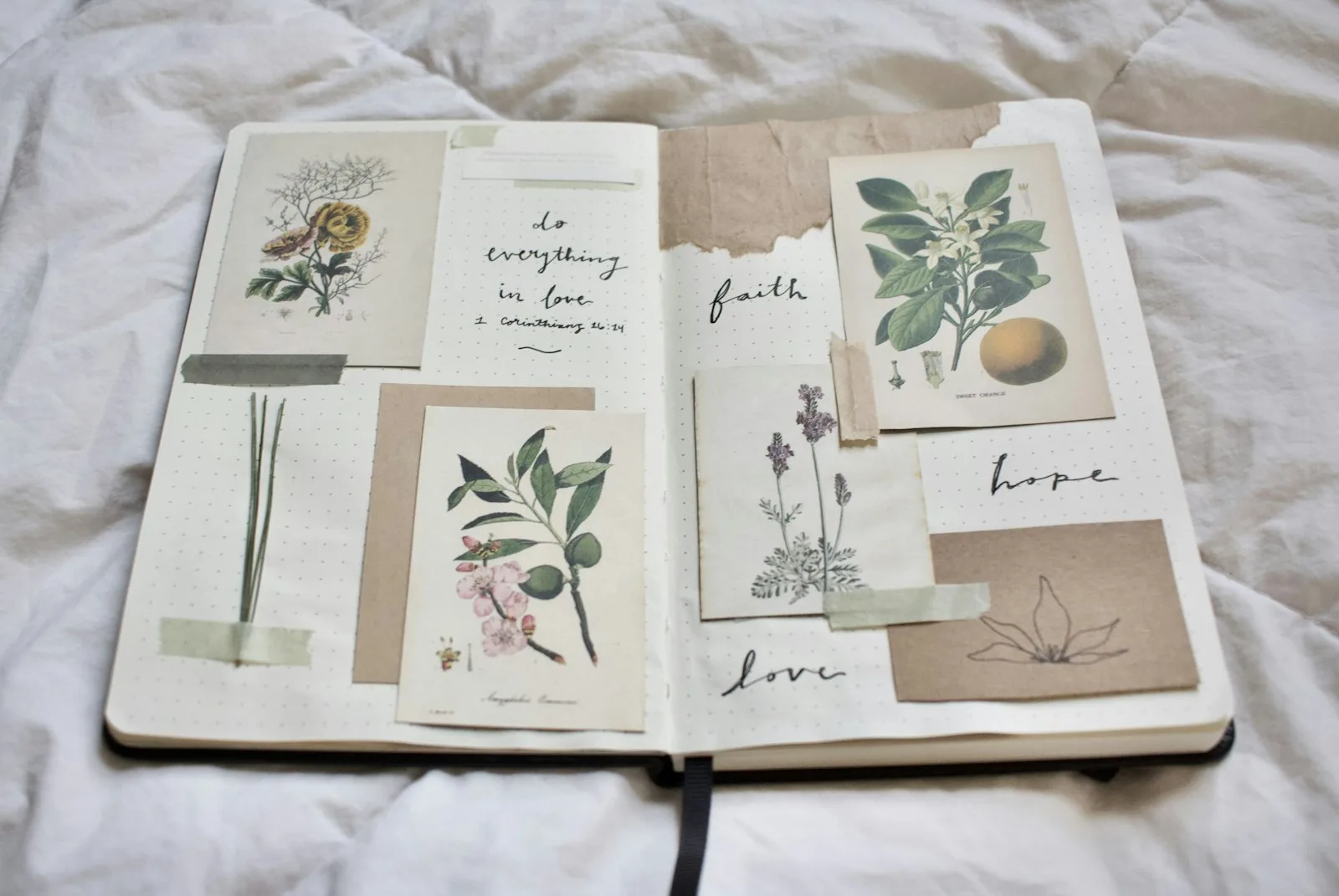
Garden or nature journal. Pressed flowers, leaf rubbings, seed packets, plant labels, watercolor sketches, weather notes. Quieter pages, more whitespace.
Gratitude journal. One spread per week, three things noticed, ephemera that triggered the noticing (a leaf, a receipt from a good coffee, a napkin from a long lunch).
Prayer or Bible junk journal. Verse pages, sermon notes, themed printables, ribbon bookmarks per section, hand-lettered headers.
Family history junk journal. Photo duplicates, family recipes copied by hand, scanned letters, ancestor trees, newspaper clippings from the year a relative was born.
Themed journals work especially well for beginners because the theme acts as a filter. If a piece of ephemera does not fit the theme, you do not use it. The decision is already made.
Seasonal junk journal ideas
A seasonal journal is the easiest version of a themed one because the calendar does the theming for you. Pick a season, build for three months, close the book, start the next one.
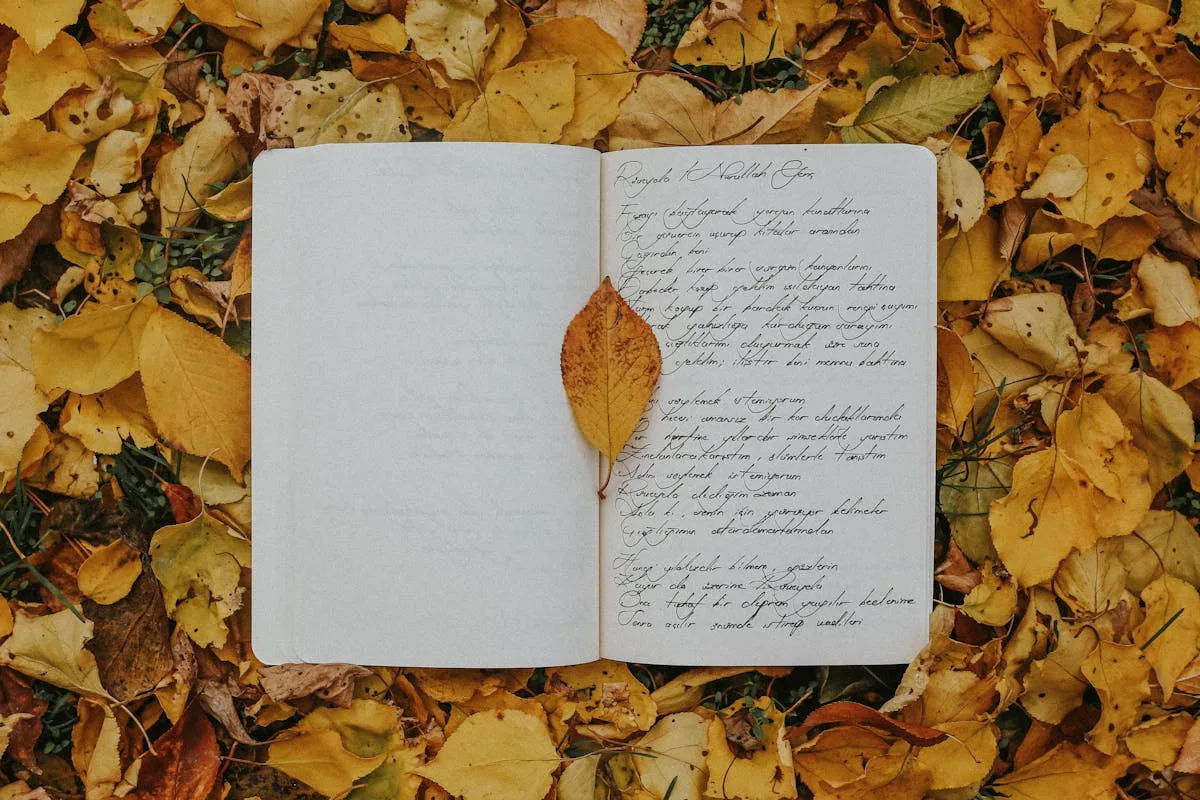
Autumn junk journal. Pressed leaves, brown ink edges, harvest receipts, halloween ticket stubs, recipes that involve apples or pumpkins, photos from a hike.
Winter junk journal. Pine sprigs, snow photos, hot chocolate stains (deliberately), holiday card duplicates, dictionary pages with words like “quiet” and “still.”
Christmas junk journal. Holiday card scraps, gift tags from received presents, ribbon scraps, snippets of wrapping paper, family photos from the season.
January reset junk journal. Word-of-the-year page, intention-setting spreads, calendar layouts, fresh-start palette (cream, sage, pale blue), goals tucked into a pocket.
Seasonal books finish on a deadline, which is half the reason they work. A two-year project rarely gets finished. A three-month spring journal almost always does.
Style-based junk journal ideas
A style is the visual mood you commit to. Most journalers pick the style first, then the theme inside it, because the style sets the palette and the type of ephemera you reach for.
Vintage junk journal. Aged paper, sepia photos, dictionary cutouts, lace strips, brown ink edges. Reads warm and slightly antique. The default junk journaling style.
Gothic or witchy junk journal. Dark palette, pressed dried herbs, moon phases, antique-style botanical illustrations, black ribbon, candles photographed in dim light.
Dark academia junk journal. Library card slips, leather-look covers, classical poetry quotes, wax-seal stickers, brass paper clips, candle-yellow lighting in photos.
Minimalist junk journal. Lots of whitespace, one focal ephemera piece per page, neutral palette (kraft, cream, black), restrained handwriting in one consistent ink.
Scrapbook-style junk journal. Brighter palette, more layered, more sticker-heavy, leans toward documentation rather than mood. The bridge between scrapbooking and traditional junk journaling.
If your style is not on this list, look at five spreads you have saved on Pinterest and find what they share. That shared thing is your style.
Format-based junk journal ideas
The format is how the book is built. Format alone can be the idea, especially if the rest of your style is undecided.
Mini junk journal. Pocket-sized, 3 by 4 inches or smaller, sewn from paper bag scraps or a folded envelope. Finishes faster than any other format. Best beginner choice for a first sewn book.
Paper bag junk journal. Built from kraft paper grocery bags folded and sewn. Built-in pockets (the original bag bottom). Almost free.
File folder junk journal. A manila folder, cut, scored, and folded into a sleeve-style journal. Built-in flaps and tabs.
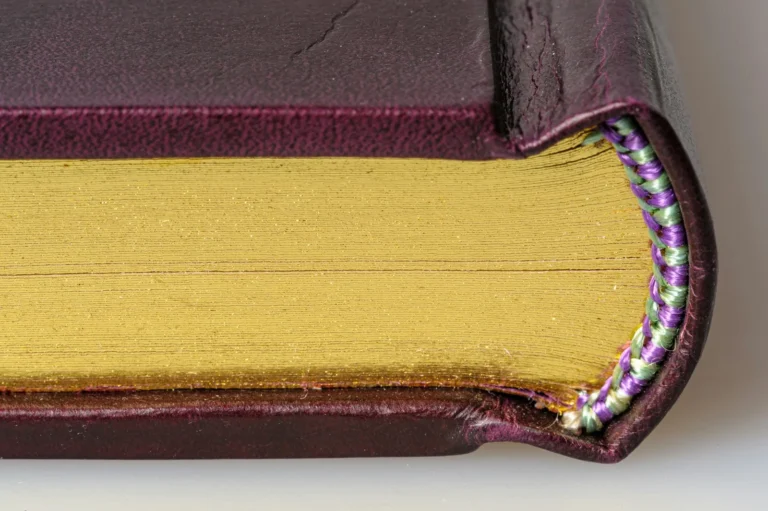
Fabric-cover junk journal. Hardback construction wrapped in linen, cotton, or thrifted fabric. Heavier feel, more textile.
Format ideas pair well with everything else on this page. A mini gothic-themed journal. A paper bag travel journal. A fabric-cover gratitude journal. Two decisions in one spread.
Junk journal spread layout ideas
These are the patterns for how a single spread is arranged. Most finished journals cycle through about four of these.
Background-layer-focal. A patterned background fills the page, two or three mid layers go in at angles, one focal piece (a photo, a stamp, a tag) anchors the spread.
The pocket reveal. An envelope or pocket glued to one side holds three or four pieces of ephemera the reader pulls out one at a time. Storytelling layout.
The cluster. Five small ephemera pieces overlap tightly on one side of the spread, the other side stays clean. Asymmetric, dense, modern.
For the full gallery of spread layouts including pockets, tucks, flip-outs, and interactive pages, see our junk journal page ideas.
Junk journal cover ideas
The cover is the first impression of the journal and the easiest place to commit to a theme. Three of the most popular directions:
Fabric-wrapped cover. Linen, cotton, or thrifted upholstery scrap glued or sewn to chipboard. Warm, textile-heavy first impression.
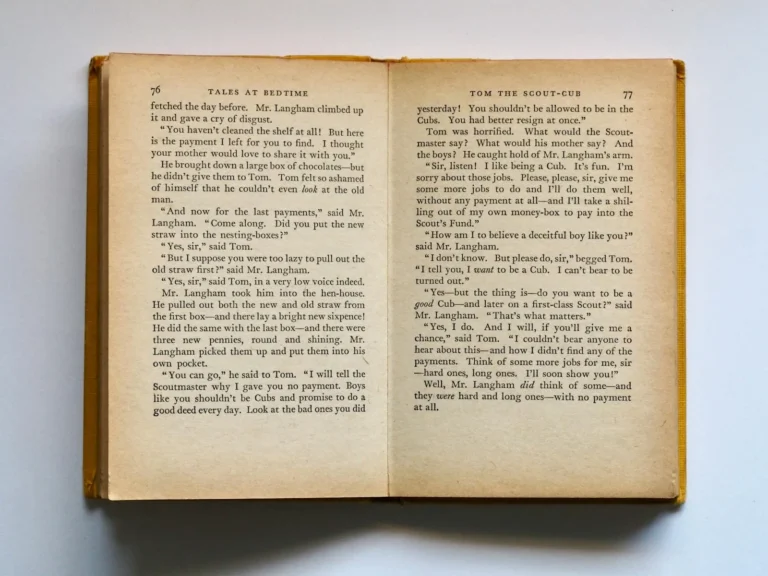
Vintage book cover. A thrifted hardback gutted and rebuilt as a junk journal, keeping the original cover and title intact. The most “found” of the looks.
Themed paper cover. A printable themed design (gothic, christmas, garden) printed on cardstock, aged with ink, and wrapped around the spine.
The full set, including DIY mixed-media and vintage variations, is in our junk journal cover ideas post.
Junk journal ideas for beginners
If you are starting your first journal, these ideas are deliberately small and finishable in one sitting. They exist to break the blank-book spell and build the habit before you commit to anything bigger.
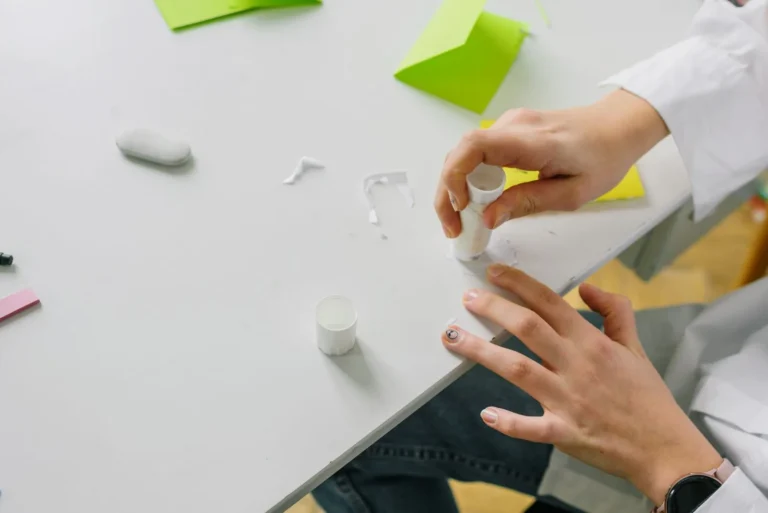
The single-pocket spread. Glue one envelope onto a page. Tuck three pieces of ephemera inside. Done. The whole spread is built in fifteen minutes.
The one-color page. Pick a single color. Use only ephemera that contains that color. The constraint makes choices easy.
The found-paper-only page. Use only material from one day’s recycling. Receipts, junk mail, packaging, takeout menus.
The date-and-one-thing page. Today’s date in large hand-lettering. One photo or one ephemera piece. The simplest spread on this entire list.
If you have saved more than fifty pins this month and made zero pages: close Pinterest. Print one free printable pack from the next section. Glue something to the next blank page in your book. Anything. The unsticking happens at the glue stick, not the search bar.
For a fuller beginner on-ramp with mistakes to avoid and a habit-building loop, see junk journals for beginners.
Where to keep collecting ideas (without losing weekends to Pinterest)
The five sources that consistently produce usable ideas, ranked by how much they actually help versus how much time they cost:
Finished-book YouTube flip-throughs. A junk journaler walking through a whole finished book in one video. Far more useful than isolated Pinterest pins. Search “[your style] junk journal flip through.”
Free printable ephemera packs. A new pack often comes with a new theme idea built in. See our free junk journal printables roundup.
Instagram saves (curated). Save only spreads from one or two journalers whose work matches your style. Avoids the Pinterest scroll trap.
Your own finished spreads. Flip back through your own pages once a month. You will see patterns you were not consciously building.
Real-world ephemera collection. A walk through a thrift store or library sale produces ideas a screen cannot, because the material you pick up is what shapes the next theme.
If you collect ideas faster than you collect glued pages, you have an input problem, not an idea problem.
Themed kits for when gathering is the actual holdup
For a lot of people the stall is not the idea, it is the pile. You picked a vintage theme three weeks ago, and the right sepia scraps still have not shown up on your desk. A printable themed kit skips the wait. You get a coordinated set of papers, tags, and ephemera in one style, print what you need, and start the spread that afternoon. Creative Fabrica’s free plan lets you pull a couple to test first, so you can try a theme without paying to learn it is not yours.
Vintage, the warm kind. The vintage coffee and books kit leans cafe-and-library brown, and the vintage sewing kit runs to thread, buttons, and haberdashery labels. Either one drops a whole aged palette in your lap.
Floral and spring. A floral ephemera kit covers the cottagecore and spring directions at once, all pressed-flower softness without the pressing.
Garden and woodland. The forest craft kit is the nature-journal shortcut: ferns, mushrooms, mossy greens, ready to print.
Something brighter. The yellow bee ephemera kit is the cheerful one, good for a gratitude or summer book that refuses to be beige.
None of these are required. Half the appeal of junk journaling is that a cereal box and a bus ticket also work. But if the gathering is what keeps the book closed, a kit is the cheapest way to get unstuck and onto the page.
Frequently asked questions about junk journal ideas
What can I put in a junk journal?
Anything paper-thin and personal: tickets, photos, dried flowers, recipes, letters, postcards, magazine cutouts, dictionary pages, song lyrics, fabric scraps, lace, handwriting. The working rule is that if it lies flat and means something to you, it belongs in the book. See our junk journal ephemera post for the full source breakdown.
What are good themes for a junk journal?
The most-used themes are travel, nature or garden, gratitude, prayer or Bible, family history, and seasonal (autumn, winter, christmas, january reset). Style-led themes like vintage, gothic, cottagecore, and dark academia are also popular and tend to work hand-in-hand with a content theme.
What is the easiest junk journal idea for beginners?
A single-pocket spread. Glue one envelope to a page, tuck three pieces of ephemera inside, add a date and one focal piece on the facing page. It takes fifteen minutes and produces a finished spread you will actually like.
How many junk journals can I have going at once?
There is no rule, but most active junk journalers keep one main book at a time and one themed or seasonal book on the side. More than two and finishing rates drop fast. Many also keep a tiny pocket junk journal as a daily collector that feeds the main book.
What should I write in a junk journal?
Anything or nothing. Some journalers use theirs as a diary, some collect quotes and to-do lists, and many keep theirs purely visual. The book is yours. Pick the mode that makes you open it again tomorrow.
Pick one idea and start a single spread today
The shortcut through this whole list is to circle one idea that pulled you in, gather two or three ephemera pieces that fit, and build a single spread on the next blank page. Not the whole journal, not the long-term theme commitment, just one spread.
From there, the rest of the cluster supports whatever direction you went: page ideas for layouts inside the spread, cover ideas for the front of the book, supplies for what to feed the habit, how to make a junk journal if you want to sew the base book yourself, examples to see how finished journals come together, and the complete beginner’s guide for the wider habit.
Do not save another idea before you glue this one down. The Pinterest counter will still be there tomorrow. The page in front of you will not.
Want a head start? Grab the free Craft Wren printable ephemera pack with 12 vintage pages, tags, and pockets you can print today and use in your first themed spread this weekend.
Get free junk journal printables
New printables, page ideas, and paper craft tutorials, straight to your inbox.
To make a junk journal, you fold a small stack of paper into signatures, pierce three holes along the fold, and sew the signature to a flexible cover with a single length of thread. From there it is paper, glue, and a stack of receipts you forgot you saved. The whole bind takes about an…
New to junk journaling? Learn what a junk journal is, what you need to start, and how to make your first pages using things you already have.
Manage Consent
To provide the best experiences, we use technologies like cookies to store and/or access device information. Consenting to these technologies will allow us to process data such as browsing behavior or unique IDs on this site. Not consenting or withdrawing consent, may adversely affect certain features and functions.
Functional
Always active
The technical storage or access is strictly necessary for the legitimate purpose of enabling the use of a specific service explicitly requested by the subscriber or user, or for the sole purpose of carrying out the transmission of a communication over an electronic communications network.
Preferences
The technical storage or access is necessary for the legitimate purpose of storing preferences that are not requested by the subscriber or user.
Statistics
The technical storage or access that is used exclusively for statistical purposes.The technical storage or access that is used exclusively for anonymous statistical purposes. Without a subpoena, voluntary compliance on the part of your Internet Service Provider, or additional records from a third party, information stored or retrieved for this purpose alone cannot usually be used to identify you.
Marketing
The technical storage or access is required to create user profiles to send advertising, or to track the user on a website or across several websites for similar marketing purposes.