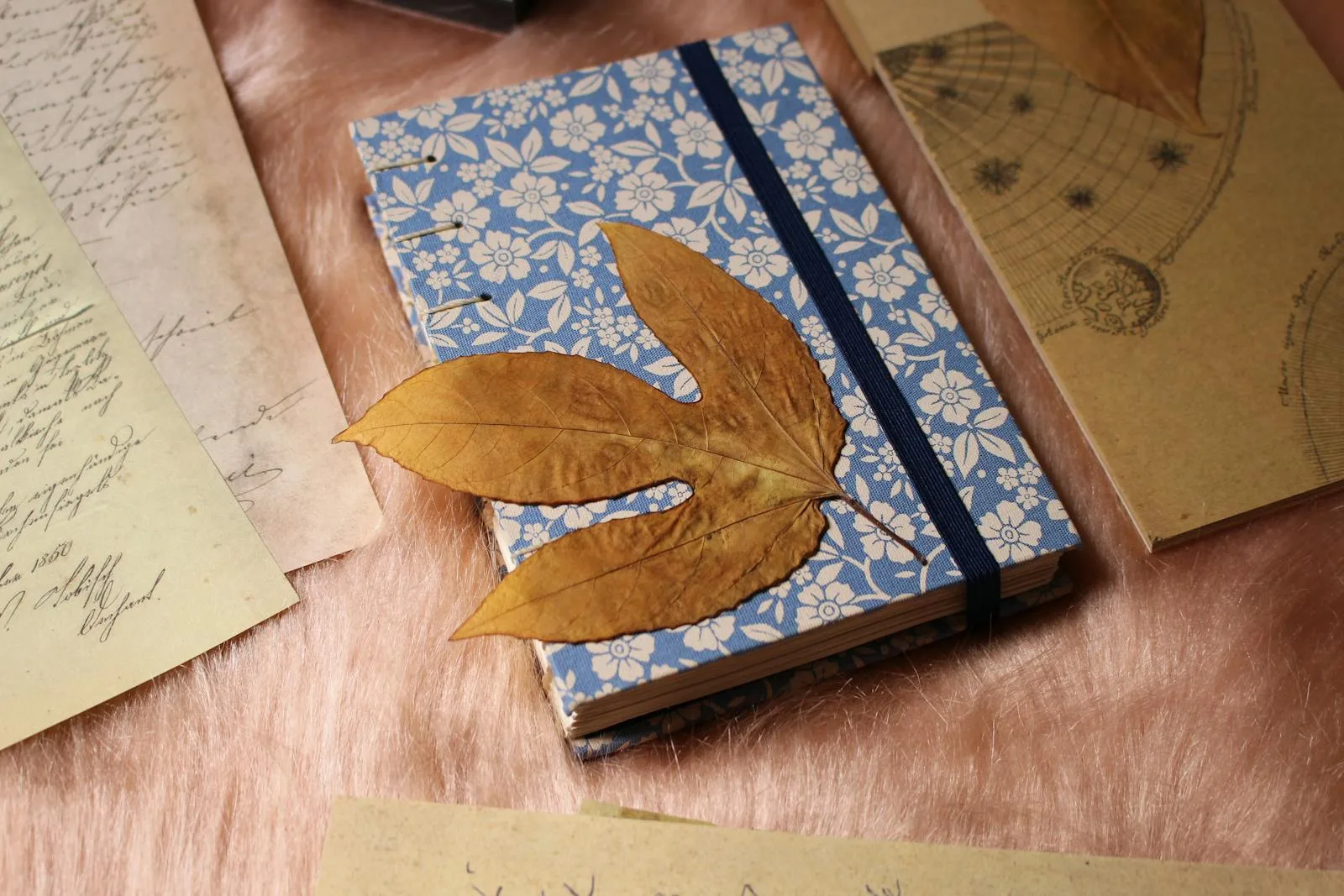
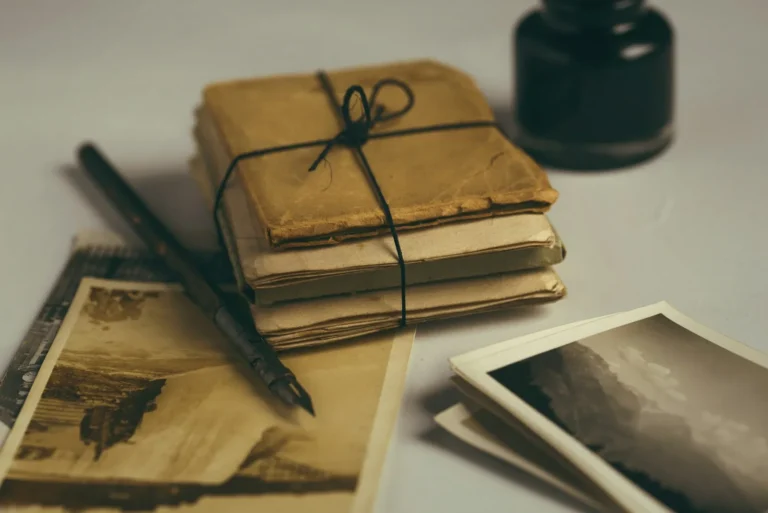
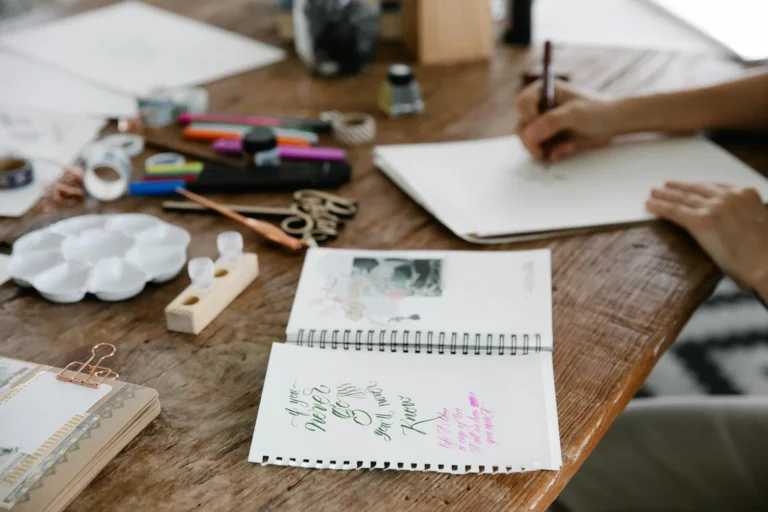
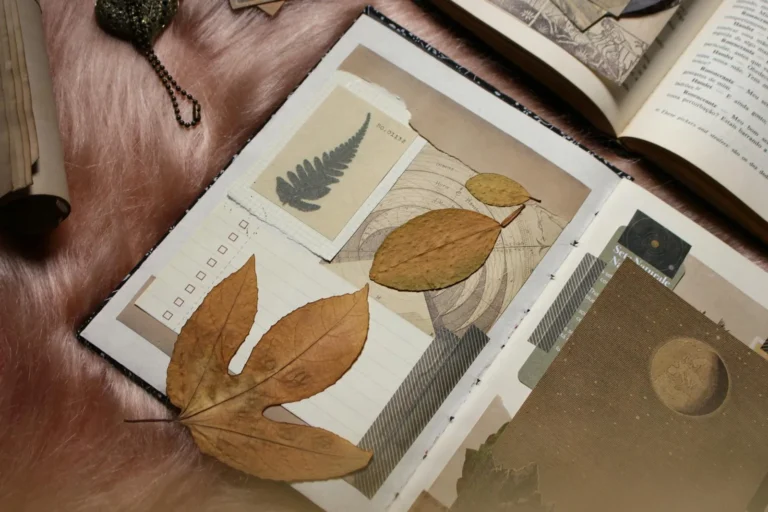
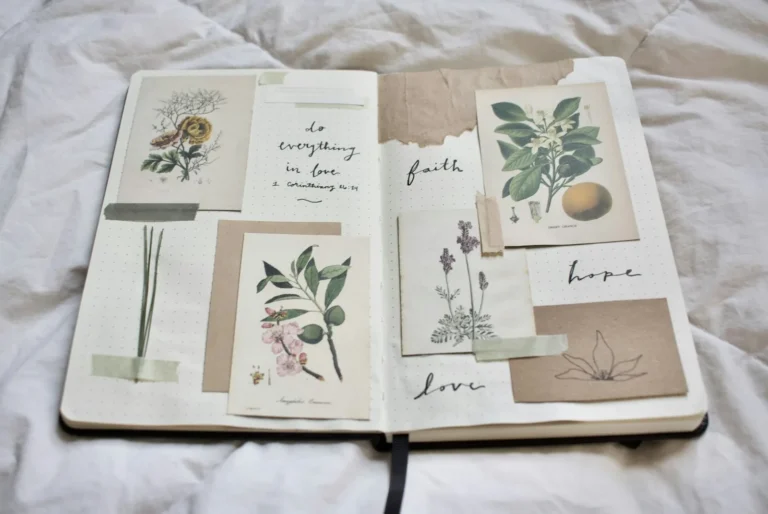
A junk journal is a handmade or repurposed book filled with collaged
paper scraps, ephemera, and mixed media instead of plain blank pages. It
is part scrapbook, part art journal, and part diary, built from
materials most people would throw away, with no rules about how it
should look or what goes inside.
The word “junk” is the key to the whole idea. The pages are made from
things headed for the recycling bin: old envelopes, book pages,
packaging, tickets, stamps, and scrap paper. You collect that “junk,”
layer it into a book, and the result is something personal and tactile.
People use junk journals as diaries, memory keepers, creative outlets,
or simply as a relaxing way to work with their hands.
This page answers the common questions clearly: what a junk journal
actually is, how it differs from a scrapbook or smash book, what it is
used for, and what you put inside. If you want to start one after
reading, we will point you to the right next step.
The short version: A junk journal is a DIY book of
repurposed paper and ephemera, collaged into pages. It overlaps with
scrapbooks (more photo-focused and planned) and smash books (faster and
more casual) but is looser and more layered than both. There are no
rules: write in it, decorate it, or both.
A junk journal is a book, often handmade or made from a repurposed
one, whose pages are built from layered paper scraps and ephemera rather
than left blank. The appeal is that it turns discarded, everyday
materials into something beautiful and personal.
A few things define it:
Repurposed materials. The pages and contents come
from “junk”: book pages, packaging, mail, fabric scraps, and found
paper.
Layered and tactile. Pages are collaged with
overlapping paper, pockets, and texture, not written on a flat blank
sheet.
No rules. There is no correct layout, theme, or
skill level. Imperfect and personal is the point.
Mixed purpose. It can be decorative, a diary, a
memory book, or all three at once.
If you want the full hobby walkthrough rather than just the
definition, our complete guide to junk
journaling covers getting started, supplies, and ideas.
Junk journal vs
scrapbook vs smash book
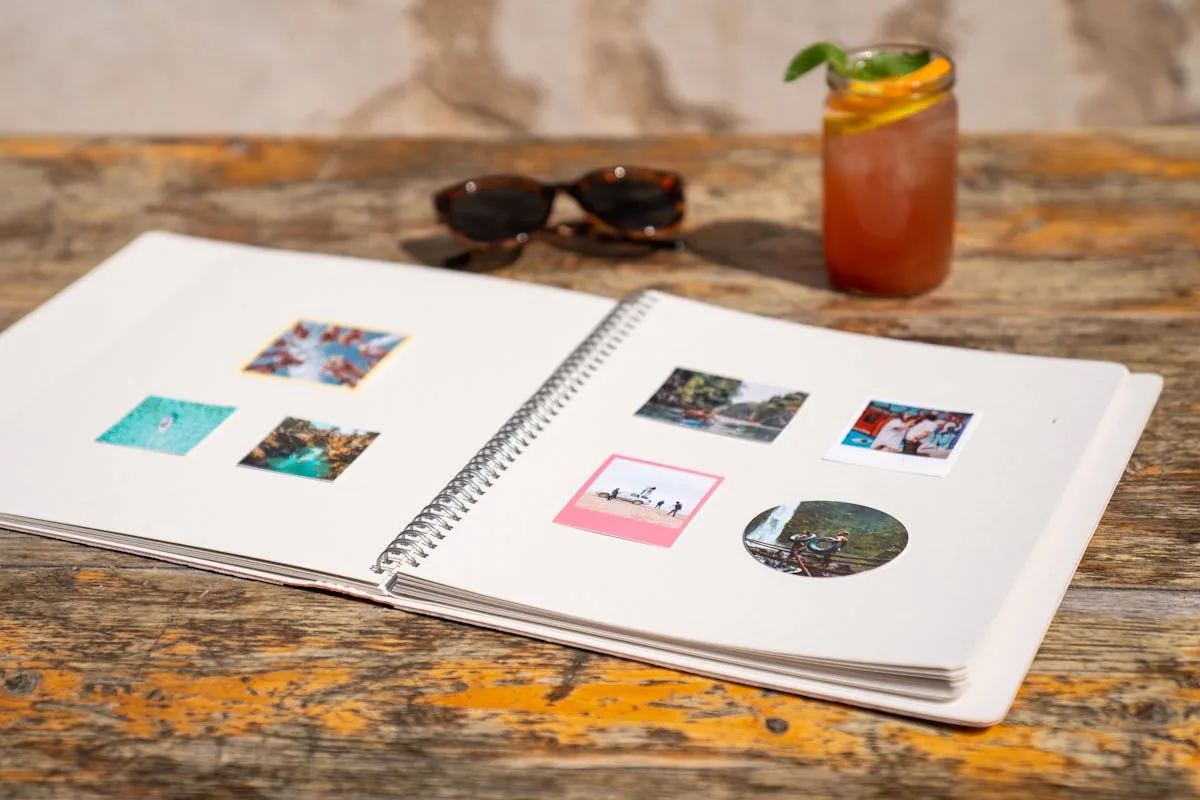
The difference is mostly about structure and focus: scrapbooks are
planned and photo-led, smash books are fast and casual, and junk
journals are layered, tactile, and rule-free. In practice they overlap,
and many people blend all three.
Type
Main focus
How structured
Typical materials
Junk journal
Repurposed paper and ephemera, collaged
Low, no rules
Book pages, ephemera, fabric, found paper
Scrapbook
Photos and memories, curated
High, often planned
Photos, cardstock, themed embellishments
Smash book
Quick capture of bits and mementos
Very low, casual
Tickets, notes, stickers, whatever fits
Art journal
Painting, drawing, mixed media art
Varies
Paint, ink, collage, mixed media
The honest takeaway: the labels matter less than what you enjoy. If
you are gluing saved bits into a book, you are junk journaling, even if
it borrows from the others.
What is a junk journal used
for?
People use junk journals as creative outlets, diaries, memory
keepers, and planners, or just as a relaxing hobby. There is no single
purpose, which is part of why the craft appeals to such different
people.
Common uses:
A creative outlet. Collaging pages is a
low-pressure way to make something with no skill required.
A diary or journal. Many people write entries among
the layers, mixing words and visuals.
A memory keeper. Travel mementos, ticket stubs,
photos, and keepsakes get a home.
A themed keepsake. Gardening, reading, recipes, or
a single trip can each get their own journal.
A relaxation practice. The repetitive, hands-on
work is calming and screen-free.
Why people get hooked: A junk journal is one of the
few crafts with no failure state. You are rescuing things you would have
thrown out, so nothing is wasted and nothing can be “ruined.” That
low-stakes feeling is exactly what makes it so relaxing, and why people
who start one rarely stop at one.
What do you put in a junk
journal?
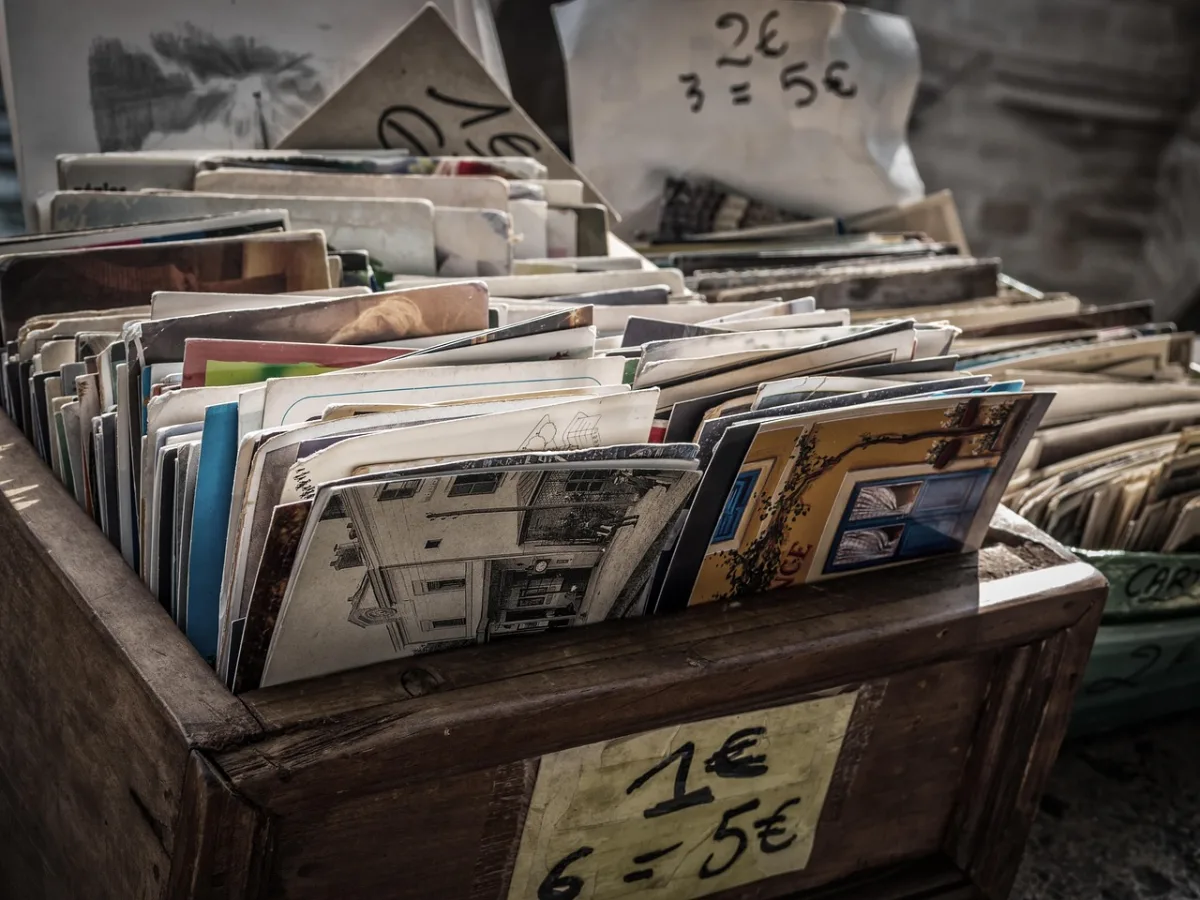
You put repurposed paper and ephemera in a junk journal: book pages,
envelopes, tickets, stamps, packaging, fabric, photos, tags, and
writing. Anything flat (or flat enough) with a color, texture, or memory
attached is fair game.
Common contents:
Paper: book and dictionary pages, sheet music,
scrapbook paper, kraft paper, printables.
No, writing is optional. Some people keep theirs purely visual, some
use them as a daily diary, and many land somewhere in between with
occasional notes, quotes, or dates. The journal is yours to use however
you like.
That flexibility is a feature. If you love to write, a junk journal
gives your words a rich, layered backdrop. If you do not, it works just
as well as a visual collage book. Neither approach is more “correct”
than the other.
How do you start a junk
journal?
You start by choosing a base book, gathering some saved paper, and
collaging your first page. It takes very little: a notebook, a glue
stick, and a handful of scraps are enough to begin today.
We keep the full walkthrough separate so this page can stay focused
on what a junk journal is. When you are ready to make one, our step-by-step guide to junk journaling
takes you from blank book to first page, and junk journals for beginners has
easy first projects.
Frequently asked questions
What is the point of a junk
journal?
The point is the making and the keeping: a low-pressure, hands-on way
to use up saved materials and hold memories or ideas in a personal book.
Some use theirs as a diary, others purely as a creative or relaxing
outlet.
What
is the difference between a junk journal and a scrapbook?
A scrapbook is usually planned and photo-focused with curated pages,
while a junk journal is looser, layered, and built from repurposed paper
and ephemera. Junk journals have no rules; scrapbooks tend to follow a
plan.
What do you put in a junk
journal?
Repurposed paper and ephemera: book pages, envelopes, tickets,
stamps, packaging, fabric, photos, tags, and writing. Anything flat with
a color, texture, or memory attached can go in.
Do you write in a junk
journal?
Only if you want to. Some journals are purely visual collage, some
are written diaries, and many mix both. There is no requirement to
include words.
Is junk journaling
the same as smash booking?
They are close. A smash book is a quick, casual book you “smash”
mementos into, while a junk journal is usually more layered and
handmade. The two overlap, and people often blend the approaches.
Ready to make one?
Now that you know what a junk journal is, the best next step is to
make a single page and feel it for yourself. It needs almost nothing to
start, and the first page is where the whole craft clicks.
Want to start today? Our free printable starter kit
gives you vintage paper, tags, and pockets to fill your first pages.
Sign up below and we will send it over.
Get free junk journal printables
New printables, page ideas, and paper craft tutorials, straight to your inbox.
Six classic letter folds for junk journaling: trifold, pamphlet, pocket, origami diamond, accordion, and twist. Plus the two-minute checks that keep a fold flat for years.
This post contains affiliate links. We may earn a commission when you download a freebie or buy a subscription on Creative Fabrica, at no extra cost to you. The fastest way to land on a junk journal idea you will actually make is to pick a theme, a season, a style, or a format from…
This post contains affiliate links. We may earn a commission when you download a freebie or buy a subscription on Creative Fabrica, at no extra cost to you. Junk journal ephemera is the loose category of paper, fabric, and small flat objects that get glued, tucked, or layered into junk journals. It covers vintage paper,…
Manage Consent
To provide the best experiences, we use technologies like cookies to store and/or access device information. Consenting to these technologies will allow us to process data such as browsing behavior or unique IDs on this site. Not consenting or withdrawing consent, may adversely affect certain features and functions.
Functional
Always active
The technical storage or access is strictly necessary for the legitimate purpose of enabling the use of a specific service explicitly requested by the subscriber or user, or for the sole purpose of carrying out the transmission of a communication over an electronic communications network.
Preferences
The technical storage or access is necessary for the legitimate purpose of storing preferences that are not requested by the subscriber or user.
Statistics
The technical storage or access that is used exclusively for statistical purposes.The technical storage or access that is used exclusively for anonymous statistical purposes. Without a subpoena, voluntary compliance on the part of your Internet Service Provider, or additional records from a third party, information stored or retrieved for this purpose alone cannot usually be used to identify you.
Marketing
The technical storage or access is required to create user profiles to send advertising, or to track the user on a website or across several websites for similar marketing purposes.