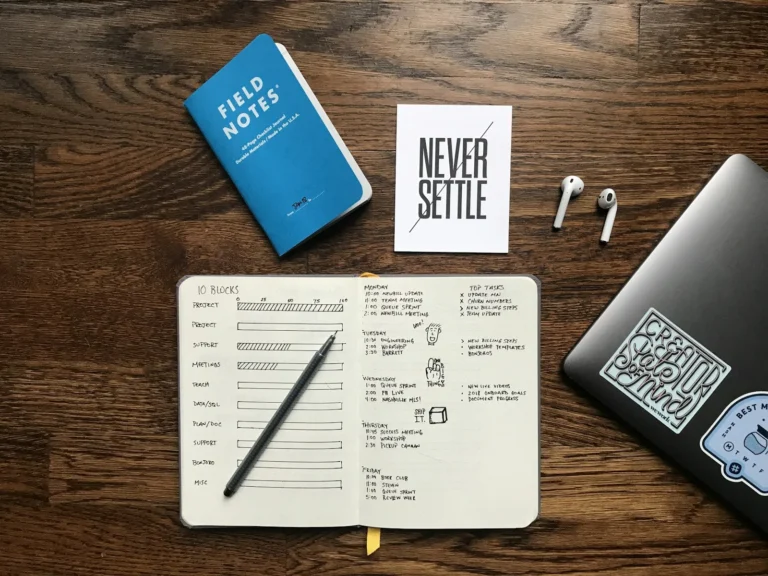
There is a particular kind of optimism in buying a planner. You picture the version of yourself who fills it in every morning with a nice pen, and then three weeks later it is a graveyard of blank Tuesdays and you are back to typing reminders into your phone. Printable planner pages fix half of that problem, because when you print only the pages you actually use, there are no blank Tuesdays to feel guilty about.
That is the real case for printables over a bound planner. You print the daily page on the days you need a daily page, the weekly spread when a week is busy, and you skip the budget tracker entirely if budgets are not your thing. No section sits there unused, judging you. Below are the planner pages genuinely worth printing, grouped by what they actually do, with the free starter pack we put together for Craft Wren at the top.
The short version: Start with a weekly page if you want one sheet to run your whole week, or a daily page if your days are detailed enough to need their own sheet. Add a monthly calendar for the big picture, and one tracker (habits, meals, or budget) only if you will use it. Print on regular paper to test the layout, then move to a nicer stock once you know which pages you reach for.
A store-bought planner makes you pay for, and carry around, every section the designer thought you might want. Printable pages let you build the planner you actually use, one sheet at a time, and reprint the moment a layout stops working for you.
Three reasons the printable version wins for most people:
You only print what you use. No more flipping past forty pages of meal-planning grids to reach the weekly spread. Print the daily, the weekly, and nothing else if that is your life.
You can change your mind for free. Hate the layout in February? Print a different one in March. A bound planner locks you into one designer’s idea of a good week for a whole year.
It costs almost nothing. A free PDF and a stack of printer paper replaces a $40 planner, and the dollar-store binder it goes in costs less than a coffee.
If you like the idea of a planner that doubles as a creative project, printable pages also drop straight into a junk journal or a discbound notebook. Our junk journal supplies guide covers the binding and paper side if you want to build the cover yourself instead of buying a binder.
The planner pages actually worth printing
A handful of page types do the real work, and inside each one the free versions are good enough that the paid premium packs are mostly selling you a prettier font.
1. Weekly pages (the workhorse)
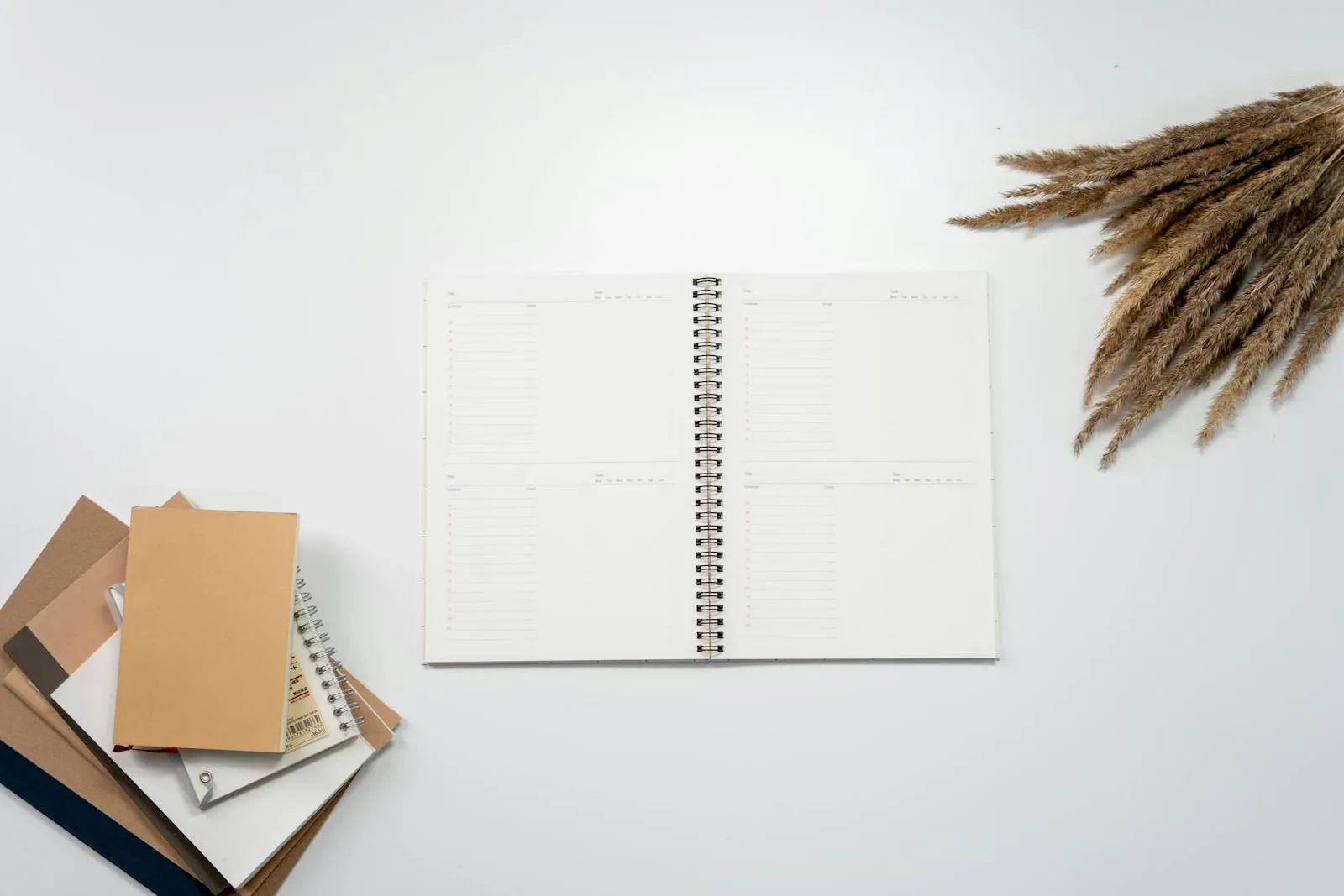
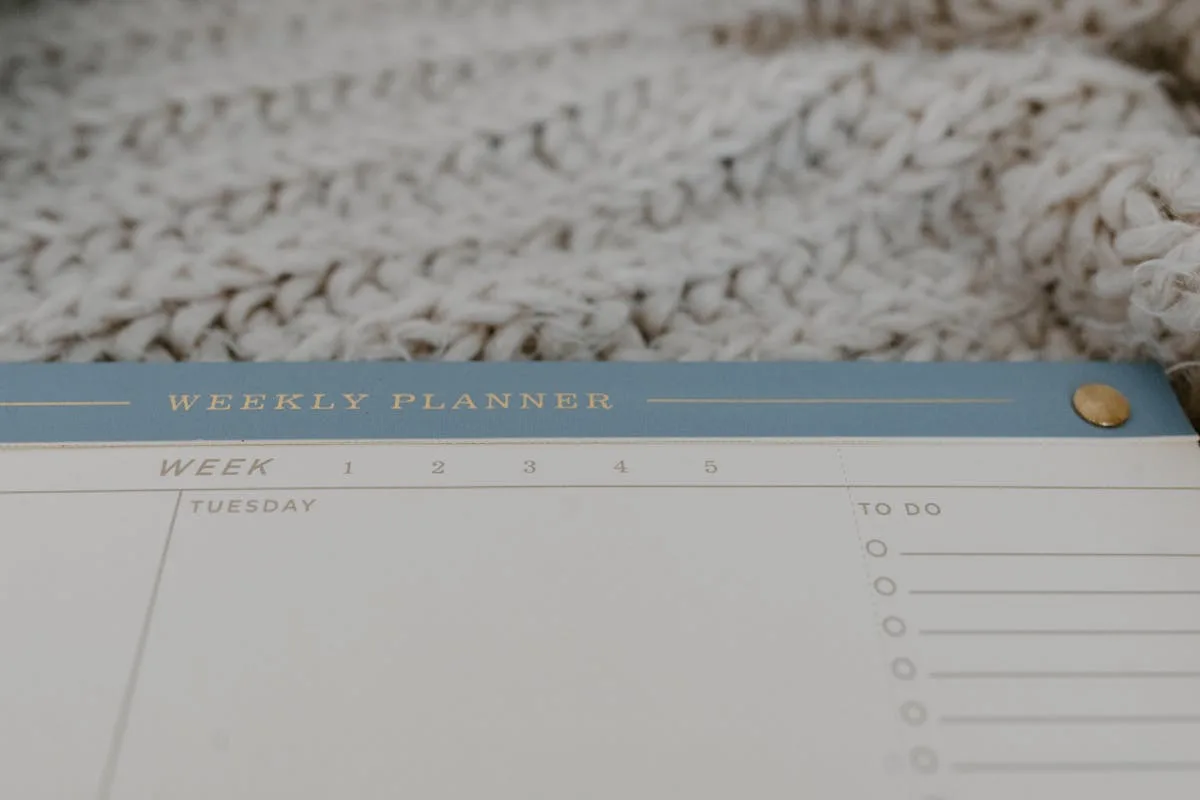
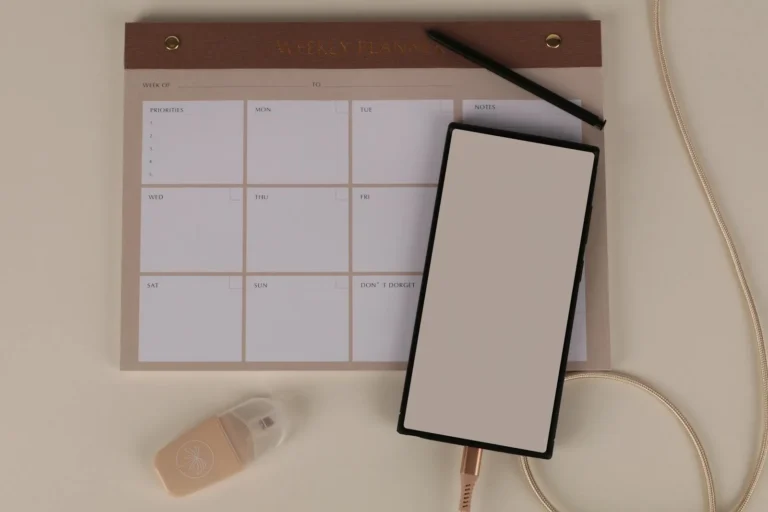
The single most-used planner page, and the one to print first. A weekly spread fits your whole week on one or two sheets, with enough room for appointments without the detail of a daily page. Most people who keep a planner at all are really keeping a weekly one, which is why the free Craft Wren starter pack further down leads with a weekly sheet.
Look for a layout that matches how your week runs. A vertical column-per-day suits an appointment-heavy schedule; a horizontal lined layout suits a to-do-list week; a “dashboard” weekly with a side column for notes and priorities suits anyone juggling work and home in the same week.
2. Daily pages
A daily page gives one full sheet to a single day, usually with an hourly timeline down one side and a to-do or notes section on the other. Overkill for a quiet week, essential for the days packed with back-to-back commitments.
The trick with daily pages is not to print a stack of thirty. Print five or ten, use them on the days that earn them, and run the rest of the month on weekly pages. A box of daily sheets you never fill in is just the bound-planner problem in a different format.
3. Monthly calendars (the big picture)
A blank monthly calendar grid is the page that catches the things a weekly view misses: the dentist appointment three weeks out, the bill due on the 28th, the long weekend you are planning around. Print one per month, pin it where you will see it, and let the weekly pages handle the detail.
Buy this, not that: Skip any printable pack sold for more than ten dollars that is mostly monthly calendars. A blank dated calendar is the easiest page in the world to find for free, and you can make one in any spreadsheet in two minutes. Spend the money on a good pen and a cheap binder instead.
4. To-do and checklist pages
A simple checklist page is the most reprinted sheet in any planner system, because to-do lists are disposable by nature. Look for a layout with a priorities box at the top (the three things that actually matter today) above the longer list, so the page does not become an undifferentiated wall of tasks.
These are also the pages that travel best into other projects. A checklist sheet trimmed down makes a perfect insert for a homeschool planner or a wedding binder, which is why the hedge categories below lean on them heavily.
5. Trackers (habits, meals, budget)
Trackers are where most planners get ambitious and then quietly collapse. The rule is one tracker at a time. A habit tracker that asks you to mark thirty behaviors a day gets abandoned in a week; one that tracks three habits survives.
The trackers worth printing are the ones tied to a real goal: a meal planner if you are trying to cook more, a simple budget sheet if money is the thing you keep losing track of, a water or workout tracker if that is the habit you are building this season. Print the one that matches the goal, leave the rest.
6. Specialty and seasonal pages
Beyond the everyday sheets, there is a long tail of specialty pages: cleaning schedules, reading logs, project planners, gift trackers for the holidays, and dated year-specific pages. These are best printed as needed rather than as a permanent part of your planner, since most of them solve a temporary problem.
How to assemble printable planner pages into something you will use
Loose printed sheets get lost. The pages only become a planner once they live somewhere. Three easy ways to bind them, cheapest first:
A three-ring binder. The classic. Punch the pages, drop them in, rearrange whenever. A half-inch binder from the dollar store holds a season of pages.
A discbound system. Punch with a special tool and the pages snap on and off discs, so you can reorder without opening rings. Worth it if you reshuffle constantly.
A junk-journal-style cover. Sew or glue a simple cover and bind the pages in, the way you would a handmade journal. Our how to make a junk journal guide walks through the binding if you want the planner to be a craft project too.
Print a test page on regular paper before you commit to a layout. The grid that looks perfect on screen is sometimes too cramped to write in once it is letter-size in your hand. Once you know which pages you actually reach for, reprint those few on a heavier stock and bind only the keepers.
Where to find free printable planner pages (and where to skip)
Free planner printables live mostly on personal blogs, Pinterest, Etsy free listings, and craft-printable libraries. The trick is sorting the real designers from the bot-generated PDFs.
Personal organizing and craft blogs. The best source. A blogger who treats printables as a newsletter lead-magnet usually invests in a clean, usable layout. Sign up, get the PDF, unsubscribe later if it is not for you.
Printable craft libraries like Creative Fabrica. Subscription craft sites carry huge planner-printable collections, and most let you download a handful free each month before any paid tier. Good for matching a whole planner to one consistent aesthetic.
Pinterest, with caution. Half the pins link to dead pages. Favor pins from accounts with a real blog behind them over anonymous quote-on-a-template pins.
Canva. Hundreds of free planner templates you can customize in the browser and print at home, which is the move if no existing layout quite fits.
Two things to skip: AI-generated PDF sites with no author behind them, where the “planner pack” is one stretched image, and any download that wants a phone number for a single page. The trade is bad.
Frequently asked questions about printable planner pages
Are printable planner pages free?
Most useful planner pages are free, usually as email-signup downloads from organizing and craft blogs or through the free monthly allowance on printable libraries. Premium packs in the five to twenty dollar range exist, but the free tier is genuinely good enough to build a working planner you will actually keep.
What planner pages should I print first?
Start with a weekly spread, since it does the most work for the least paper, and add a monthly calendar for the big-picture dates. Only add daily pages and a single tracker once you know you will use them. Printing every page type at once is the fastest way to end up with a binder full of blank sheets.
Can I print planner pages at home?
Yes. A home inkjet or laser printer on letter-size paper handles every planner page in this guide. Print a test sheet on regular paper to check the layout fits your handwriting, then reprint the keepers on a heavier stock if you want them to last a full year.
What paper is best for printable planner pages?
Standard printer paper is fine for testing layouts and for pages you reprint often, like to-do lists. For pages you keep all year, a 28 lb or cardstock-weight paper holds up to repeated handling and stops ink from showing through the back. Cardstock is also better if you plan to bind the pages into a junk-journal-style cover.
How do I keep printable pages organized?
Bind them. A three-ring binder is the simplest, a discbound system is the most flexible, and a handmade cover turns the planner into a craft project. The key is giving the loose sheets a single home so they do not scatter, and reprinting any page the moment its layout stops working for you.
Print the pages you will use, skip the rest
The best planner is the one built from only the pages you actually reach for, which is exactly what printable sheets let you do. Start with a weekly page, add a monthly calendar, bring in dailies and one tracker only if your life calls for them, and bind the keepers in something cheap. No blank Tuesdays, no forty unused sections, no forty-dollar regret in March.
For a few ready-made versions of this idea, our homeschool planner printables guide gathers the pages a teaching parent actually needs, our printable wedding planner guide does the same for anyone planning a wedding on a binder and a budget, and our student planner printables guide covers the pages that survive a whole school term.
Want the Craft Wren free starter pack? A weekly spread, a monthly calendar, a to-do page, and one simple habit tracker, in a clean matched layout. Print at home, drop them in a binder, and start this week. Sign up below and we will send it over.
Get free junk journal printables
New printables, page ideas, and paper craft tutorials, straight to your inbox.
Free student planner printables that survive a term: weekly class schedule, assignment tracker, semester-at-a-glance, study planner, and where to find them free.
Free cleaning planner printables worth printing, grouped by the job they do: weekly checklist, daily zone sheet, deep-clean list, chore chart, and where to find them free.
Free homeschool planner printables a teaching parent actually uses: weekly lesson grid, attendance log, year calendar, reading log, and where to find them free.
Free fitness planner printables worth printing: weekly workout log, food tracker, progress sheet, habit tracker, and goal-setting pages, plus where to find them free.
Manage Consent
To provide the best experiences, we use technologies like cookies to store and/or access device information. Consenting to these technologies will allow us to process data such as browsing behavior or unique IDs on this site. Not consenting or withdrawing consent, may adversely affect certain features and functions.
Functional
Always active
The technical storage or access is strictly necessary for the legitimate purpose of enabling the use of a specific service explicitly requested by the subscriber or user, or for the sole purpose of carrying out the transmission of a communication over an electronic communications network.
Preferences
The technical storage or access is necessary for the legitimate purpose of storing preferences that are not requested by the subscriber or user.
Statistics
The technical storage or access that is used exclusively for statistical purposes.The technical storage or access that is used exclusively for anonymous statistical purposes. Without a subpoena, voluntary compliance on the part of your Internet Service Provider, or additional records from a third party, information stored or retrieved for this purpose alone cannot usually be used to identify you.
Marketing
The technical storage or access is required to create user profiles to send advertising, or to track the user on a website or across several websites for similar marketing purposes.