Everyone has a fitness app they downloaded in January and have not opened since March. It pinged you for a while, you logged a workout or two, you forgot your password, and now it sits on the second home screen with a red notification badge you have learned not to see.
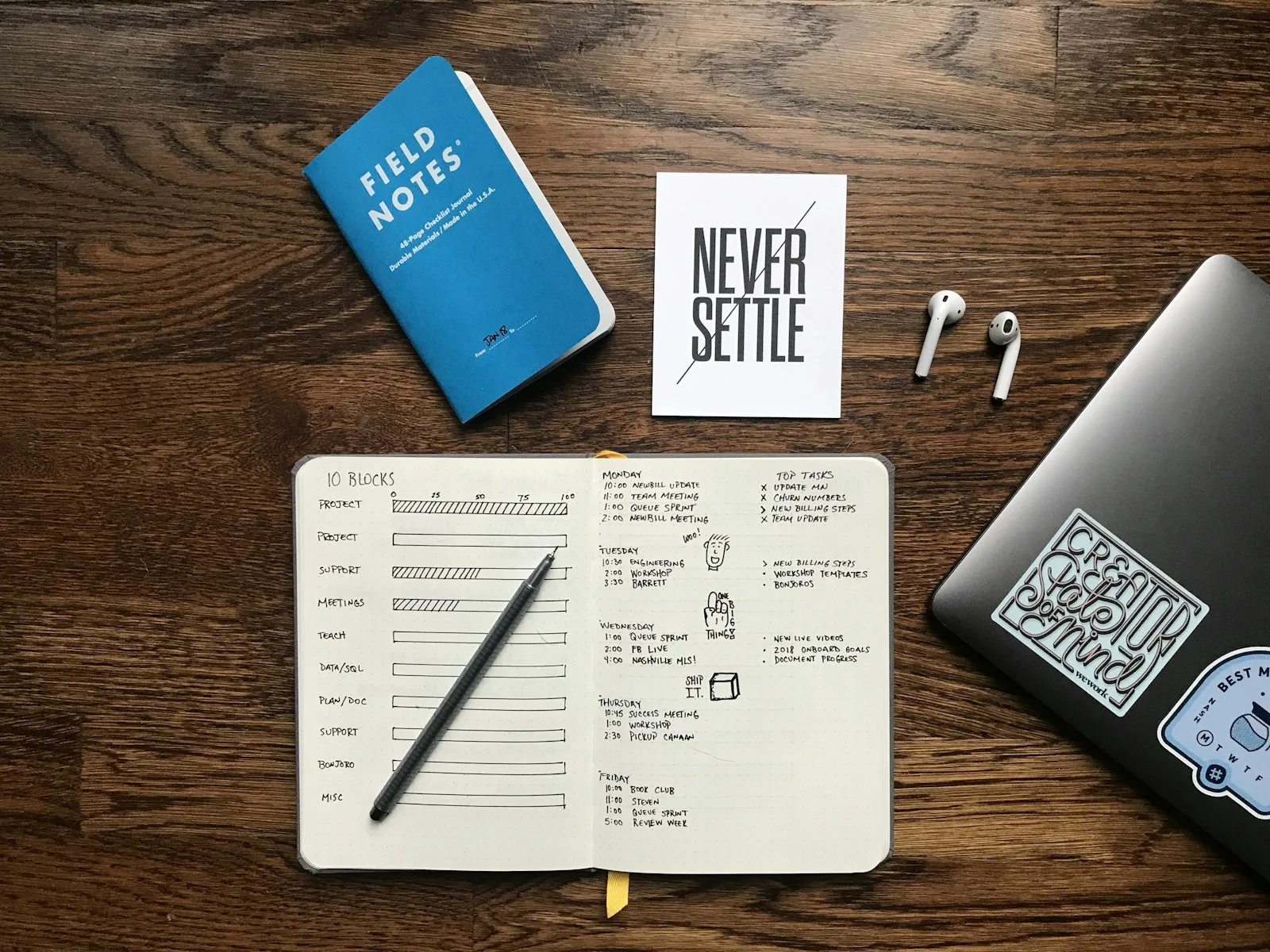
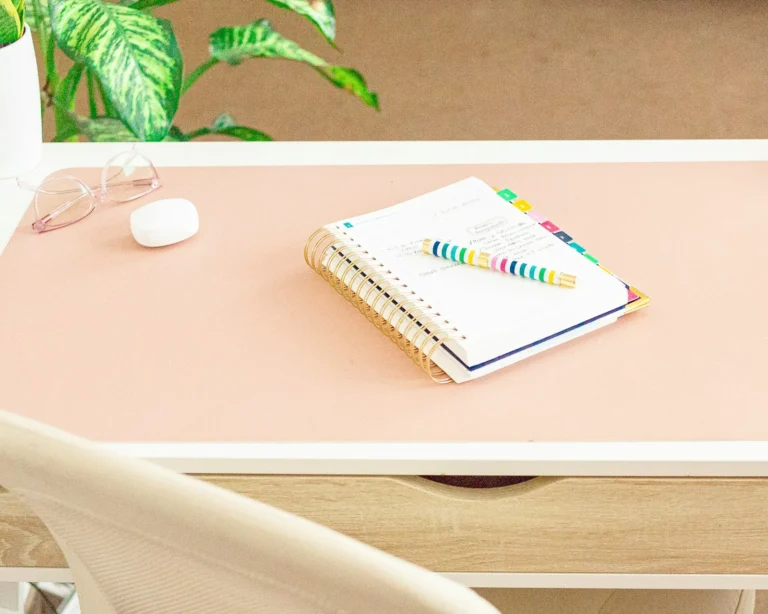
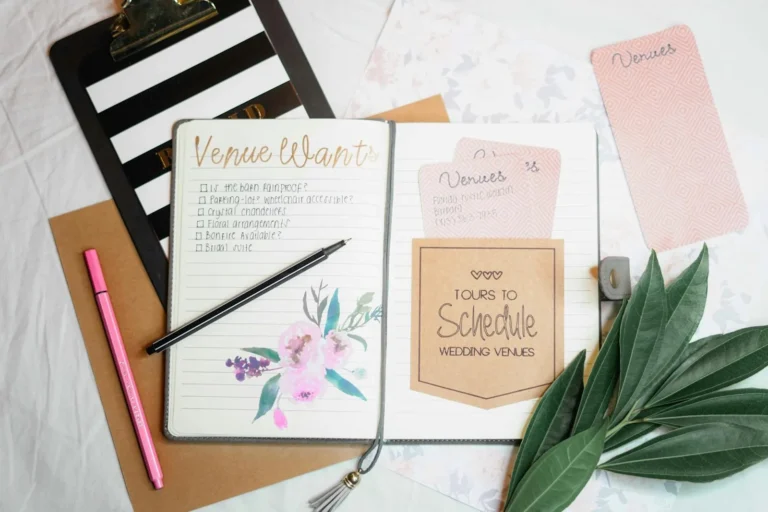
That is not a willpower problem. Logging a set on a phone, between rest periods, with sweaty hands, is just genuinely annoying, so the habit quietly died. Paper sidesteps that. A fitness planner you can write in with a pencil, leave open on the kitchen counter, and actually see every morning can beat the slickest app for some people on the one thing that matters most, which is sticking with it. The printable kind lets you build the tracker around your actual goal instead of someone’s idea of an average gym-goer. Below are the fitness planner printables genuinely worth printing, grouped by the job they do, with the free starter pack we put together for Craft Wren at the top.
The short version: Start with a weekly workout log and a simple habit or streak tracker, since seeing the chain of done days is what keeps most people going. Add a food or meal sheet if eating is your focus, and a progress page for measurements and goals checked monthly, not daily. Print, use it for a week, then keep the pages you reach for.
An app tracks everything and shows you a wall of numbers that mostly makes you feel behind. A paper planner tracks the two or three things tied to your actual goal and stays out of the way. For building a habit, a little you write down can beat a lot you ignore.
Two things the printable version does better, especially at the start:
You see it without unlocking anything. A planner open on the counter is a daily nudge. An app three taps deep is a thing you remember to check after you have already skipped the workout.
You track your goal, not all of them. Trying to build a running habit? Track runs and how you felt, nothing else. A printable lets you cut the noise down to the numbers that actually move you, where the app insists on logging it all.
If you want the planner to feel like a project you are invested in rather than a worksheet, printed pages bind into a notebook or a handmade cover. Our junk journal supplies guide has the paper and binding basics if you would rather build the cover than buy a binder.
The fitness planner pages worth printing
A few page types do the real work, and across them the free versions are good enough that the paid premium bundles are mostly charging for nicer fonts and a motivational cover.
1. Weekly workout log (print this first)
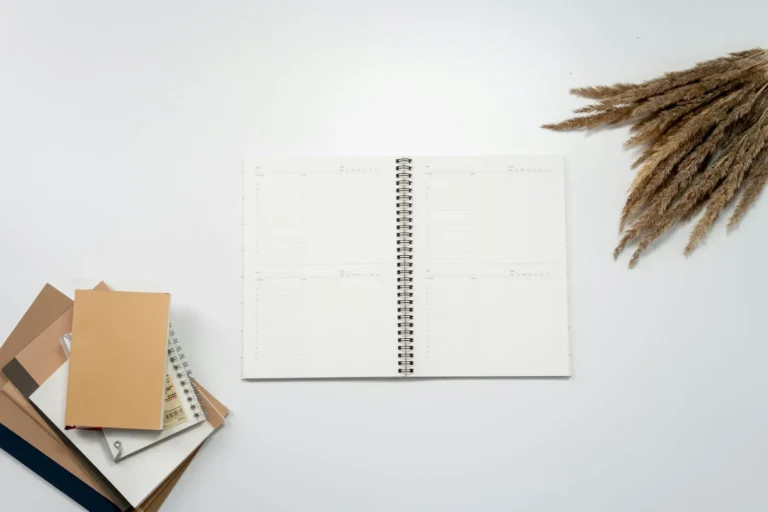
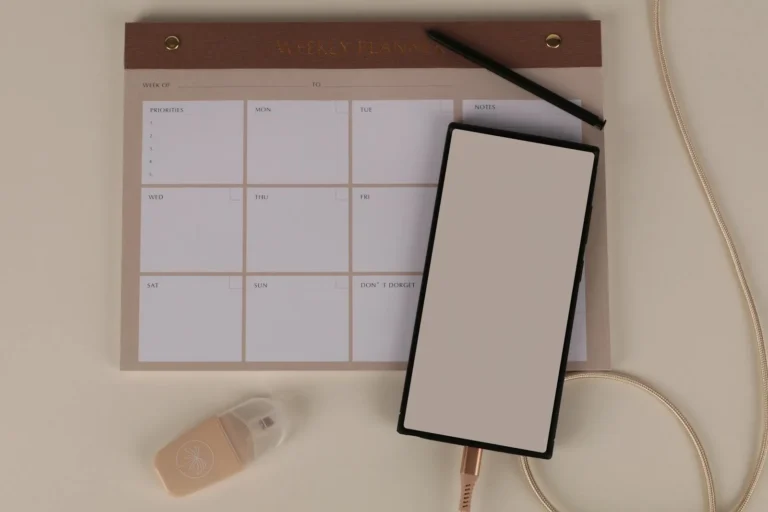
The single most-used page in any fitness planner, and the one to start with. A weekly workout log gives each day a block to write what you did: the exercises, the sets and reps or the distance and time, and a line for how it felt. One sheet runs your whole training week and shows the week at a glance.
Match the layout to your training. A lifting plan needs columns for sets, reps, and weight; a running or cardio plan needs distance, time, and pace; a class-and-walk routine just needs a what-and-how-long line. Print a few weeks ahead, not the whole year, since programs change as you get stronger.
2. Daily food and meal tracker
If eating is the lever you are pulling, a food sheet does more than any workout log. A daily tracker gives space for meals and snacks, water, and a note on how the day went, without the calorie-counting spiral an app pushes you into. Some people track everything for a month to learn their patterns, then drop to a loose meal-and-water sheet, which is exactly the kind of change paper makes easy.
Keep it honest and keep it kind. A food page that turns into a guilt ledger gets abandoned in a week; one that just helps you notice you skip lunch and then overeat at night earns its place.
3. Progress and measurements tracker
The scale jumps around day to day with water weight, which is why a progress page belongs on a monthly rhythm, not a daily one. A measurements sheet tracks the slow numbers, weight, measurements, a progress photo date, a personal best on a lift or a run, checked about once a month so you see the trend instead of the noise. This is the page that keeps you going when the daily mirror says nothing has changed.
Look for a layout with room for non-scale wins too: stairs that stopped leaving you winded, a weight that used to be hard and now is not. Those are the numbers that actually predict whether you stick with it.
Buy this, not that: Skip any fitness printable pack over ten dollars that is mostly inspirational quotes and a meal plan you did not ask for. The pages that work, a plain workout log and a simple habit tracker, are plain by design, and no amount of “you’ve got this” typography will do a single rep for you. Spend the money on a cheap set of resistance bands or a decent water bottle instead.
4. Habit and streak tracker
A habit tracker is the quiet engine of the whole planner. It is a grid of days you mark each time you train, drink your water, or hit your steps, and that visible run of marked days is most of what keeps people going once motivation runs out. The rule is to track few habits, not many. A tracker asking you to mark ten behaviors collapses in a week; one tracking the two that matter survives the year.
Print this one big and keep it visible, since it only works as motivation if you can see it without opening a binder.
5. Goal-setting and plan sheet
You fill this one out once and reread it often. A goal sheet turns “get in shape” into something specific enough to plan around: the distance you are training for, the lift number you want, the habit you are building this season, broken into the small weekly steps that get you there. Tape it to the front of the planner so the why is the first thing you see.
Look for a layout that breaks a big goal into weekly milestones rather than one far-off finish line, since a season of small wins is what keeps a goal alive past February.
6. Rest, sleep, and recovery pages
Most beginners skip this category and most experienced people swear by it. A simple sleep and recovery sheet tracks the nights you slept well, the rest days you took, and the soreness that tells you to back off. Print one if your goal is endurance or strength, where recovery is half the work, and leave it out if you are just building a daily-movement habit.
Putting a fitness planner together
Loose workout sheets end up at the bottom of a gym bag. Bind them so the planner has one home and travels without disintegrating:
A small ring binder or notebook. Workout logs in front, food and habit pages behind, goal sheet taped to the cover. A half-inch binder holds months and survives a backpack.
A clear sleeve for the habit tracker. Slide the streak grid into a sleeve, mark it with a dry-erase marker, and reset it each month so you are not reprinting the one page you use daily.
A handmade cover. Bind the pages into a sewn or glued notebook for something you will actually want to open. The printable planner pages guide covers how to fold fitness sheets into a planner that runs the rest of your life too.
Print one week of each page on regular paper and live with it before committing. The log that looks thorough on screen is sometimes more boxes than you will ever fill in after a workout. Once you know which pages you actually use, reprint those and build the binder around them.
Where to find free fitness planner printables
Free fitness printables live mostly on health and fitness blogs, Pinterest, and craft-printable libraries. Sort the realistic ones from the wishful ones.
Fitness and wellness blogs. The best source. A trainer or coach who shares their actual workout log as a newsletter download usually builds something a real person can follow. Sign up, grab the PDF, unsubscribe later if the emails are not for you.
Printable craft libraries like Creative Fabrica. Carry large fitness and planner printable collections, and many offer a batch of free downloads each month before any paid tier, which is handy for matching a whole fitness binder to one consistent look.
Pinterest, with caution. Favor pins that link to a real fitness blog over anonymous “30-day shred” template pins, half of which lead nowhere and most of which promise more than any printable can deliver.
Canva. Free workout planner and tracker templates you can customize for your exact program and print at home, the move when no existing layout fits your training.
Skip the AI-generated PDF sites with no author and the downloads that demand a phone number for one tracker. Neither respects your time, which is the thing you are trying to spend on the workout.
Frequently asked questions about fitness planner printables
Are fitness planner printables free?
Most useful ones are free, usually as email-signup downloads from fitness and wellness blogs or through the free downloads that libraries like Creative Fabrica offer each month. Paid bundles in the five to twenty dollar range exist, but the free tier covers a workout log, a habit tracker, and a progress sheet, which is everything you need to start.
What should a fitness planner include?
A weekly workout log to record what you do, a habit or streak tracker to keep you consistent, and a progress page for measurements checked monthly. Add a food or meal sheet if eating is your focus. Start with those rather than printing every page type, since an over-built planner is the fastest one to abandon.
Is a paper workout log better than an app?
For sticking with it, often yes. A paper log sits open where you see it, takes no unlocking, and lets you write a set between rest periods without fighting a touchscreen. An app holds more data, but the planner you actually fill in beats the tracker you stopped opening in March.
How do I track workouts on paper?
Give each training day a block and write the exercises with sets, reps, and weight for lifting, or distance, time, and how you felt for cardio. Add a habit tracker you mark every time you train, so your consistency is visible at a glance. Keep it simple enough that logging takes under a minute, or you will stop.
What is the difference between a fitness planner and a workout log?
A workout log is one page that records your training sessions. A fitness planner is the whole binder around it: the log plus a habit tracker, a progress sheet, a food page, and a goal-setting sheet. The log is where you start, and the rest of the planner grows around it as your goals get clearer.
The planner you open every morning, not the app you stopped opening
The best fitness planner is the one still open on the counter in March, when the app has gone quiet and the resolution has worn off. Start with a weekly workout log, add a habit tracker so the streak carries you, keep a progress page for the slow wins, and leave the rest until you need it. No forgotten password, no red badge you have trained yourself not to see, just a pencil and a page you actually fill in.
For the planner it lives inside, our printable planner pages guide covers the weekly and monthly sheets your fitness pages sit beside, and our cleaning planner printables guide does the same for anyone building a small daily habit at home.
Want the Craft Wren free starter pack? A weekly workout log, a monthly progress sheet, and a habit tracker you can reuse all year, in a clean matched layout. Print at home, leave it where you will see it, and start this week. Sign up below and we will send it over.
Get free junk journal printables
New printables, page ideas, and paper craft tutorials, straight to your inbox.
Free student planner printables that survive a term: weekly class schedule, assignment tracker, semester-at-a-glance, study planner, and where to find them free.
Free printable planner pages worth printing, sorted by what they do: weekly, daily, monthly, to-do, and trackers, plus where to find them and how to bind them.
Free cleaning planner printables worth printing, grouped by the job they do: weekly checklist, daily zone sheet, deep-clean list, chore chart, and where to find them free.
Free homeschool planner printables a teaching parent actually uses: weekly lesson grid, attendance log, year calendar, reading log, and where to find them free.
Manage Consent
To provide the best experiences, we use technologies like cookies to store and/or access device information. Consenting to these technologies will allow us to process data such as browsing behavior or unique IDs on this site. Not consenting or withdrawing consent, may adversely affect certain features and functions.
Functional
Always active
The technical storage or access is strictly necessary for the legitimate purpose of enabling the use of a specific service explicitly requested by the subscriber or user, or for the sole purpose of carrying out the transmission of a communication over an electronic communications network.
Preferences
The technical storage or access is necessary for the legitimate purpose of storing preferences that are not requested by the subscriber or user.
Statistics
The technical storage or access that is used exclusively for statistical purposes.The technical storage or access that is used exclusively for anonymous statistical purposes. Without a subpoena, voluntary compliance on the part of your Internet Service Provider, or additional records from a third party, information stored or retrieved for this purpose alone cannot usually be used to identify you.
Marketing
The technical storage or access is required to create user profiles to send advertising, or to track the user on a website or across several websites for similar marketing purposes.