Free Cleaning Planner Printables: A Schedule You Will Actually Stick To
Most cleaning plans die on a Saturday. You wake up meaning to do the whole apartment in one heroic sweep, get through the kitchen, lose the will somewhere around the bathroom grout, and by two in the afternoon you are sitting on a half-clean floor scrolling your phone, somehow more tired than when you started. The house is not dirty because you are lazy. It is dirty because nobody can clean an entire home in one sitting and keep doing it every week.
A cleaning planner fixes that by cutting the marathon into small, repeatable pieces, and the printable kind is better than a wall chart or an app because you can shape it around your actual rooms and your actual week. Print the pages that match your place, ignore the rest, and reprint when your routine shifts. Below are the cleaning planner printables genuinely worth printing, grouped by the job they do, with the free starter pack we put together for Craft Wren at the top.
The short version: Start with a weekly cleaning checklist and a simple zone or room rotation, so the work spreads across the week instead of piling onto one day. Add a deep-clean list for the monthly and seasonal jobs, and a chore chart if other people share the mess. Print on regular paper, live with it a week, then keep the pages you actually used.
Why a printable cleaning planner beats winging it
Cleaning without a plan means you clean what is visibly bothering you and ignore everything else until it becomes a crisis. The fridge gets wiped the day before guests come, the baseboards get done once a year out of guilt. A printable schedule turns invisible jobs into scheduled ones, so nothing waits until it is gross.
Three reasons the printable version beats the app or the mental list:
- It spreads the load. For most people, a little on assigned tasks each day holds up better than one exhausting Saturday session, and a printed daily or zone sheet is what makes the small-and-often version stick.
- You only track your rooms. A studio needs a different sheet than a three-bed house with a dog. Print the rooms you have, set a realistic frequency, and skip the categories that do not apply to you.
- Crossing it off works. There is a small, real satisfaction in dragging a pen through “mop kitchen” that a checkbox in a phone app never quite delivers. The paper version gets used because finishing it feels like something.
If you want the schedule to live somewhere nicer than the fridge door, printed pages drop straight into a binder or a handmade cover. Our junk journal supplies guide covers the paper and binding side if you would rather make a cleaning binder than buy one.
The cleaning planner pages worth printing

A handful of page types carry the whole system, and inside each one the free versions are good enough that the paid premium packs are mostly selling you a nicer color palette.
1. Weekly cleaning checklist (start here)
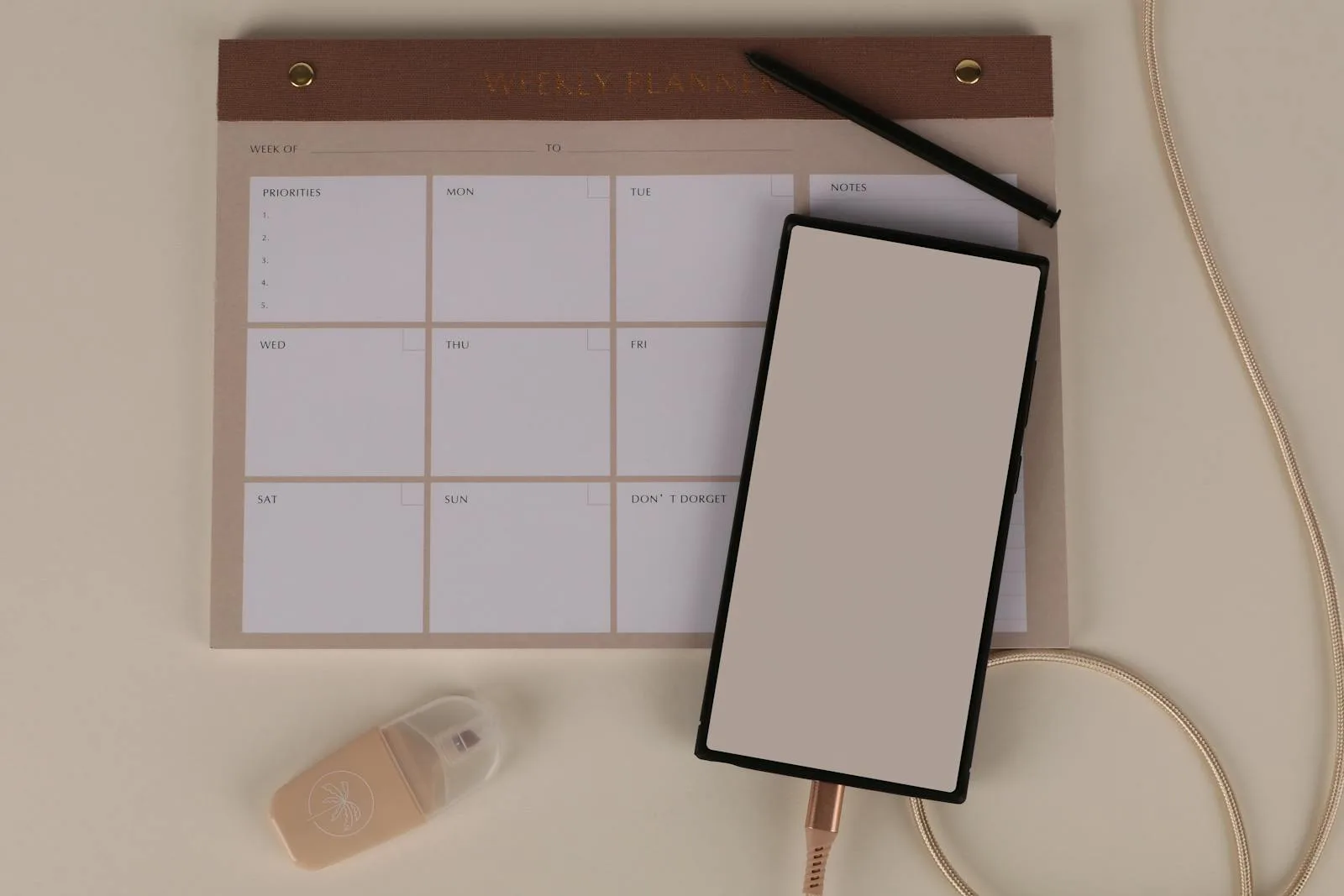
The first page to print and the one most people actually keep. A weekly checklist lists the regular jobs, the wiping and the vacuuming and the bathroom, with a column for each day so you can spread them out instead of stacking them. One sheet runs your whole cleaning week.
Pick a layout that matches how you like to work. A by-day column suits anyone doing a little each evening; a by-room block suits people who clean one space at a time on whatever day they have an hour. The free Craft Wren starter pack further down leads with a flexible weekly sheet you can use either way.
2. Daily zone or rotation sheet
This is the page that makes “fifteen minutes a day” real. A rotation sheet assigns each day a focus, kitchen on Monday, bathrooms on Tuesday, floors on Wednesday, so you are never trying to clean everything at once. By the end of the week the whole place has been touched without a single long session.
The trick is keeping each day’s list short enough that you will actually do it after work. Three tasks a day you finish beats ten you skip. If a zone needs more than fifteen minutes, it is two zones, so split it.
3. Room-by-room deep clean list
A weekly sheet handles the surface. A room-by-room deep clean list catches the jobs that hide: inside the oven, behind the toilet, the top of the fridge, the light fixtures nobody looks at until they are grey. Print one card per room with every deep-clean task, and work through one room a month rather than all at once.
These are also the pages worth keeping near your supplies, since a deep clean usually means reaching for something you do not use every week. A printed list stops you from cleaning the easy half of a room and calling it done.
Buy this, not that: Skip any cleaning printable pack over ten dollars that is mostly decorative covers and a quote about a tidy home being a tidy mind. The page that does the work, a plain checklist with realistic tasks, is plain by nature, and the prettiest bundle in the world will not scrub a single tub. Spend the money on a decent set of microfiber cloths instead.
4. Monthly and seasonal task pages
Some jobs do not belong on a weekly sheet at all. Washing windows, flipping the mattress, cleaning out the gutters, defrosting the freezer, the once-a-season reset. A monthly page holds the every-few-weeks jobs, and a seasonal checklist holds the spring-and-fall big ones, so they happen on a schedule instead of never.
Print the seasonal sheet four times a year and pin it where you plan, since these are the tasks that quietly slide for a year or more if nothing reminds you they exist.
5. Chore chart for a shared household
If you do not live alone, the most useful page in the planner is the one that stops cleaning from being one person’s invisible job. A chore chart with a name beside each task turns “why am I the only one who notices the bins” into something written down and shared. For kids, a version with a row of stickers to earn works better than a list of words.
Hang this one where everyone passes it, not tucked in a binder. A chore chart only works when the people doing the chores can see it.
6. Supplies and laundry tracker
Two quieter pages keep the rest from falling apart. A supplies checklist means you notice the dish soap is nearly gone before you are scrubbing a pan with hand soap, and a simple laundry rotation helps when the loads pile up faster than they get folded. Print these once and update the supplies sheet whenever you do a shop.
How to keep a cleaning planner where you will use it
A schedule you cannot see is a schedule you will not follow. Cleaning pages work best somewhere visible, not buried in a drawer:
- A magnetic sleeve on the fridge. Slide the weekly checklist into a clear sleeve, mark it with a dry-erase marker, wipe it Sunday, start again. The cheapest reusable setup there is.
- A small binder by the supplies. Weekly sheet in front, deep-clean cards and seasonal lists behind. A half-inch binder holds a full season and lives wherever you keep the cleaning kit.
- A handmade cover. Bind the pages into a sewn or glued cover for something nicer than a folder on the counter. The printable planner pages guide covers how to mix cleaning sheets with the rest of your planner if you want one book for everything.
Print one week of the checklist on regular paper first and live with it before you commit. The schedule that looks reasonable on screen is sometimes three jobs too ambitious once you are doing it after a full day. Once you know which frequency you actually keep, reprint the realistic version and build from there.
Where to find free cleaning planner printables
Free cleaning printables live mostly on home and organizing blogs, Pinterest, and craft-printable libraries. The trick is sorting the usable schedules from the pretty-but-impossible ones.
- Home and organizing blogs. The best source. A blogger who actually cleans their own house and shares the schedule as a newsletter download usually builds something realistic. Sign up, grab the PDF, unsubscribe later if the emails are not for you.
- Printable craft libraries like Creative Fabrica. Carry large planner and household printable collections, and many offer a batch of free downloads each month before any paid tier, which is handy for matching a whole cleaning binder to one look.
- Pinterest, with caution. Plenty of pins lead to a designer who clearly never tested the schedule, a dozen tasks a day every day. Favor pins from accounts with a real home blog behind them, and take any “clean your whole house in 30 minutes” claim with a pinch of salt.
- Canva. Free cleaning schedule templates you can edit for your exact rooms and print at home, which is the move when no existing layout quite fits your place.
Skip the AI-generated PDF sites with no author behind them and any download that wants a phone number for one checklist. Neither is worth the trade.
Frequently asked questions about cleaning planner printables
Are cleaning planner printables free?
Most useful ones are free, usually as email-signup downloads from home and organizing blogs or through the free downloads that libraries like Creative Fabrica offer each month. Paid bundles in the five to fifteen dollar range exist, but the free tier covers everything you need to build a working schedule you will actually keep.
What should be on a weekly cleaning schedule?
The regular surface jobs: a quick tidy and dishes daily, then bathrooms, floors, dusting, and a kitchen wipe-down spread across the week so no single day is overloaded. Keep deep-clean and seasonal tasks on separate pages, since cramming them into the weekly sheet is the fastest way to abandon it.
How do I actually stick to a cleaning planner?
Spread the work so each day asks for a few small jobs, not a whole afternoon, and keep the sheet somewhere you cannot avoid seeing it, like the fridge. The plan that fails is the all-at-once Saturday one; the plan that survives is the small-and-daily one you can finish before you lose the will.
What is the best cleaning schedule for a small apartment?
A studio or one-bedroom does better with a light daily rotation than a big weekly push: bathroom one day, floors the next, kitchen the next, fifteen minutes each. Print a simple zone sheet, skip the room categories you do not have, and you keep the whole place clean without ever setting aside a cleaning day.
Can I make a cleaning planner reusable?
Yes. Slide the weekly checklist into a clear plastic sleeve or laminate it, mark it with a dry-erase marker, and wipe it clean at the end of the week. One printed sheet then lasts months, which is the cheapest way to run the schedule without reprinting every Sunday.
A clean house in fifteen-minute pieces, not one lost Saturday
The best cleaning planner is the one that never asks for a heroic Saturday again, just a few small jobs a day that quietly add up to a home you are not embarrassed to have people over to. Start with a weekly checklist, add a daily rotation so the work spreads out, keep a deep-clean list for the hidden jobs, and put the whole thing where you will actually see it. No marathon, and no two o’clock surrender on a half-clean floor.
For more ways to build the planner around it, our printable planner pages guide covers the weekly and monthly sheets the cleaning schedule sits beside, and our fitness planner printables guide does the same for anyone building a daily habit they want to stick to.
Want the Craft Wren free starter pack? A flexible weekly cleaning checklist, a daily zone sheet, and a seasonal deep-clean list, in a clean matched layout. Print at home, stick it on the fridge, and start this week. Sign up below and we will send it over.