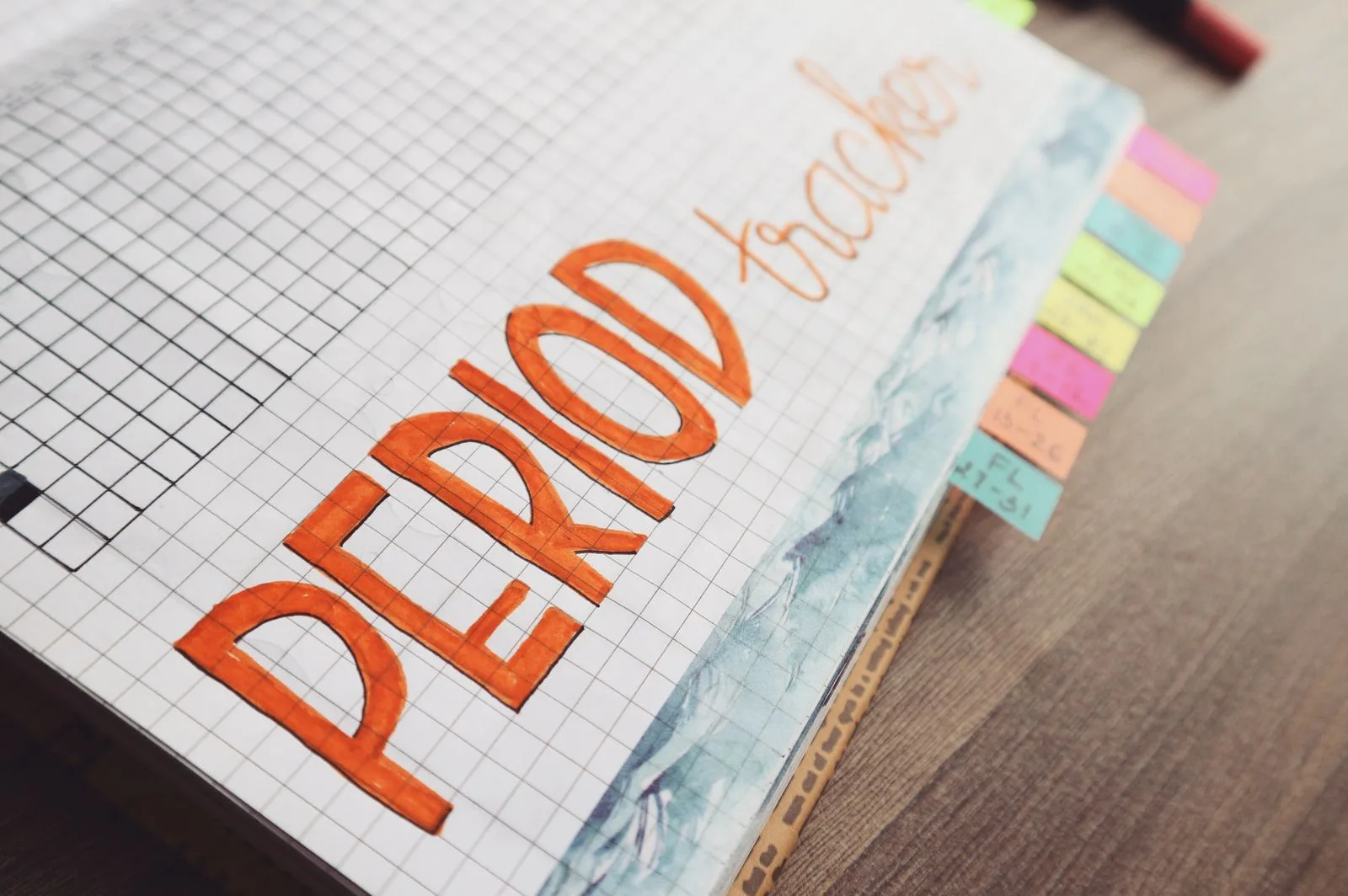
You drew the grid on the first of the month, thirty-one little squares marching across the page, eight habits stacked down the side, and for nine days it was glorious. Every square filled in, a wall of color, proof you were finally becoming the person who flosses and stretches and drinks the water. Then the eleventh was a bad day, two squares went empty, the next morning the gaps were staring at you, and by the twentieth the whole tracker had quietly become a monument to a streak you broke. That collapse is not a willpower problem. It is almost always a design problem, and it is fixable.
A habit tracker is a simple grid in your bullet journal where each row is a habit and each column is a day, and you fill in a box every time you do the thing. Over a month it turns invisible consistency into something you can see at a glance. The trouble is that most people build the version that looks best in a photo rather than the version that survives a normal, messy month.
The short version: A bullet journal habit tracker is a grid of habits by days that you mark daily to make consistency visible. Keep it to three to five habits, pick a layout that matches how often you will actually check it (a monthly row grid for an overview, a page per habit for detail), and treat a missed day as a single blank square, not a reason to quit. Start with a free printable to find your format before you draw one into a nice notebook.
It is not a scoreboard you are supposed to ace. The point of tracking is feedback, the same reason you check a bank balance. You are not trying to fill every box. You are trying to see the truth: that you meditate on weekdays and never on weekends, that your water intake falls off a cliff the moment work gets busy, that the streak you swore you kept was actually four good days and a lot of hope.
Once you treat the tracker as a mirror instead of a test, the empty squares stop being failures. They are data. A row that is half blank is telling you something useful about that habit, the time of day you picked, or whether you ever really wanted it in the first place.
Pick a layout that matches how you check it
There is no single correct habit tracker, and chasing the prettiest one is how most of them die. Match the layout to how closely you want to watch the habit.
The monthly grid (one row per habit). The classic. Days one through thirty-one run across the top, your habits run down the side, and you fill or color a box per day. It fits a whole month of five-ish habits on one page and gives you that satisfying at-a-glance wall. Best when you want an overview and your habits are simple yes-or-no things.
A page per habit. One habit gets a whole page, often a calendar grid or a row of thirty circles. Overkill for “drink water,” perfect for a single habit you are trying hard to build or break, because the extra space lets you note context: what made the good days good.
The mini tracker tucked into a weekly spread. A small five-by-seven box riding along the bottom of your week. It keeps tracking in your line of sight on the page you already open daily, which matters more than size. If you build your weeks already, our weekly and monthly spreads guide shows where a mini tracker fits without crowding the layout.
The visual tracker. A drawing you fill in piece by piece, a plant that grows a leaf per day, a wave that colors in. Lovely and motivating for some, fussy and abandonment-prone for others. Try it once on scrap before committing a page.
If you are not sure which fits, that is exactly the thing to test before you draw it permanently, which we will get to.
Why trackers get abandoned (and the fix for each)
Most habit trackers fail for three predictable reasons, and the gorgeous spreads never mention any of them. Each one has a layout fix that costs nothing.
You tracked too many habits. A grid with twelve rows looks ambitious on the first and impossible by the tenth. Twelve daily decisions is not a habit tracker, it is a part-time job. The fix is brutal subtraction: three to five habits, maximum, and ideally a mix of one hard one and a couple you already mostly do, so the page is not a sea of blame. Momentum comes from a tracker that is mostly filled, not mostly empty.
You made it too pretty to keep up. A tracker that needs a ruler, four marker colors, and ten minutes of hand-lettering will get skipped the first night you are tired, and a skipped night becomes a skipped week. The maintenance cost has to be near zero. A box you fill with a single pen stroke is one you will still be filling in week three. Save the artistry for a cover page, not the page you have to touch every single day.
You treated one miss as the end. This is the big one. The tracker shows a broken streak, your brain reads “failed,” and the all-or-nothing reflex kicks in: if I already broke it, why bother. But a habit is not a streak. A month where you did the thing twenty-two days out of thirty is a genuinely good month, and the only way to see that is to keep marking after you slip. Build in a rule before you start: a blank square is just a blank square, you mark today and move on. The people who keep trackers for years are not the ones who never miss. They are the ones who kept filling boxes after they did.
One more quiet fix: put the tracker where you will see it. A tracker buried on page forty is a tracker you forget. Index it, or better, fold it into the daily or weekly page you already open, so marking it is part of a routine you already have.
What to track (and what to leave alone)
Good tracker habits are specific, daily-ish, and binary, things you can answer yes or no to in two seconds. “Drink 60 oz water,” “10-minute walk,” “no phone in bed,” “vitamins,” “read before sleep.” These work because the answer is obvious and the mark is fast.
Habits that fight the format are the vague ones (“be productive”), the ones that only happen weekly (those belong on a monthly log, not a daily grid), and anything tangled up with how you feel. Mood is not a habit you can pass or fail, and squeezing it into a yes-or-no box flattens the very thing you wanted to notice. It gets its own layout, which is what the bullet journal mood tracker guide is for. Keep the habit grid for the binary stuff and let mood live on its own page.
Test a few free before you draw one
The cheapest way to find your layout is to not draw it at all yet. Print two or three different habit tracker formats, a monthly grid, a page-per-habit, a mini, use each for a week or two, and notice which one you actually keep marking and which you forget by Thursday. That tells you more about your real habits than any tutorial.
Creative Fabrica has a deep library of printable bullet journal habit trackers in every layout, free to download and print on plain paper, so you can trial a format before it ever touches your good notebook. Once you know which one you reach for, redrawing it by hand takes five minutes. The free bullet journal templates post rounds up trackers and spreads worth printing first.
Frequently asked questions about bullet journal habit trackers
How do I make a habit tracker in my bullet journal?
Draw a grid: list three to five habits down the left side, number the days of the month across the top, and fill or color a box each day you do the habit. Keep the marking to a single pen stroke so it is fast, and put the tracker somewhere you already look daily so you do not forget it. That is the entire setup, and it takes about five minutes.
How many habits should I track at once?
Three to five. A tracker crammed with ten or twelve habits looks ambitious on day one and becomes unmanageable within a week, and a mostly-empty grid kills motivation fast. Pick a small mix of one habit you are genuinely building and a couple you already mostly do, so the page fills in and pulls you forward instead of guilting you.
What should I do when I miss a day?
Nothing dramatic. Leave the square blank, mark today, and keep going. The most common reason trackers get abandoned is the all-or-nothing reflex, where one broken streak reads as total failure. A month with twenty-two filled boxes out of thirty is a good month, and you can only see that if you keep marking after a slip.
What habits work best in a tracker?
Specific, daily, yes-or-no habits, things you can answer in two seconds: water, a short walk, vitamins, no phone in bed, reading before sleep. Vague goals like “be productive” and feelings like mood do not fit a pass-or-fail grid. Weekly tasks belong on a monthly log instead, and mood deserves its own layout.
Where should I put the habit tracker in my bullet journal?
Wherever you will actually see it. A tracker hidden on a back page gets forgotten. The strongest spots are folded into your weekly or daily spread, the page you already open every morning, or on its own monthly page that you write into your index so you can flip straight to it.
Build the one you will still be filling in week three
The best habit tracker is not the one that looks like art on the first of the month. It is the plain grid, three habits, one pen, sitting on a page you already open, that still has boxes getting filled on the twenty-fifth after a couple of blank days in the middle. That tracker is doing its whole job, which was never to be perfect. It was to show you the truth and keep you in the game.
Print a couple of layouts free, run them for two weeks, keep the one you reach for, and let the broken streaks stay broken without quitting. The wall of color you wanted comes from the boring version you actually maintain. If you are still setting up the notebook itself, how to start a bullet journal covers the basics, and bullet journal page ideas has more layouts to borrow once your tracker is humming.
Want trackers ready to print? Our free printable bullet journal starter kit includes a monthly habit tracker, a daily log, and a clean monthly spread you can print at home and start this week. Sign up below and we will send it over.
Get free junk journal printables
New printables, page ideas, and paper craft tutorials, straight to your inbox.
You did the hard part. The notebook is set up, the index is labeled, you learned the little symbols, and you kept it going for a week. Then you turned to a fresh spread, pen in hand, and drew a complete blank about what should actually go on it. The setup is finite. The pages…
You saw the spread online first. Clean dotted page, a hand-lettered header, a little watercolor wash in the corner, a habit tracker that looked like a piece of art. So you bought the notebook and the good pens, opened to page one, and sat there. The blank dot grid stared back, the cursor of paper,…
You flip back through last month and one thing jumps out before you read a single word: the Sundays are all the same grey. You never noticed it living through them, one ordinary low Sunday after another blurs into “fine,” but colored in across a page, the pattern is impossible to miss. That is the…
You spent the better part of an evening on a spread you were proud of. Headers lettered, a tracker laid out, a little color in the corners. Then you turned the page to start the next day and there it was, the whole layout ghosting through from the back, the marker bleeding into shadows of…
You can’t draw. You have decided this about yourself, somewhere back in a childhood art class, and now every time you see a bullet journal with a little banner header and a row of tiny potted plants down the margin, you file it under “not for me.” Here is the thing the people drawing those…
You quit the first time because the journal started asking too much. Every spread online had hand-lettered headers, a color theme, a little illustration in the corner, and somewhere along the way keeping the notebook stopped being planning and became a nightly art assignment you were too tired to do. So you skipped a day,…
Manage Consent
To provide the best experiences, we use technologies like cookies to store and/or access device information. Consenting to these technologies will allow us to process data such as browsing behavior or unique IDs on this site. Not consenting or withdrawing consent, may adversely affect certain features and functions.
Functional
Always active
The technical storage or access is strictly necessary for the legitimate purpose of enabling the use of a specific service explicitly requested by the subscriber or user, or for the sole purpose of carrying out the transmission of a communication over an electronic communications network.
Preferences
The technical storage or access is necessary for the legitimate purpose of storing preferences that are not requested by the subscriber or user.
Statistics
The technical storage or access that is used exclusively for statistical purposes.The technical storage or access that is used exclusively for anonymous statistical purposes. Without a subpoena, voluntary compliance on the part of your Internet Service Provider, or additional records from a third party, information stored or retrieved for this purpose alone cannot usually be used to identify you.
Marketing
The technical storage or access is required to create user profiles to send advertising, or to track the user on a website or across several websites for similar marketing purposes.