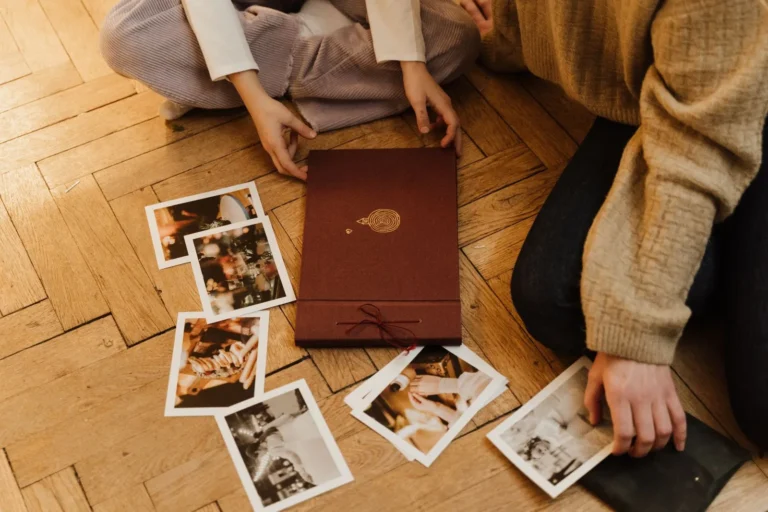
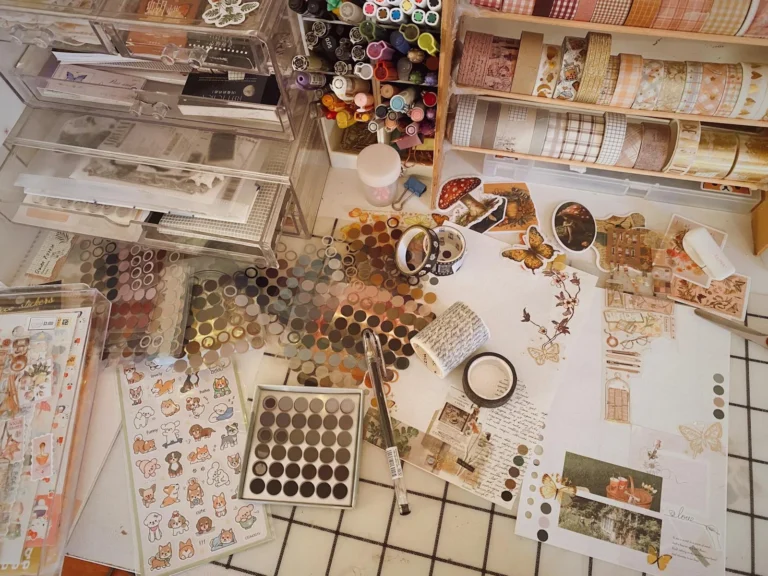
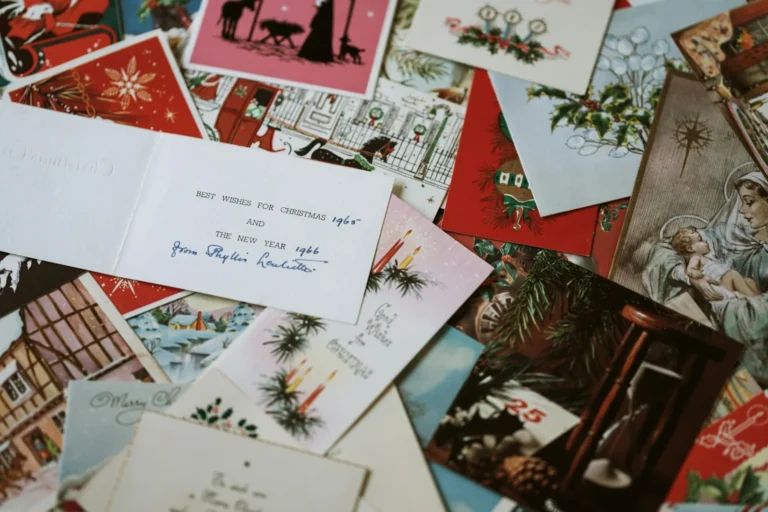
There is a drawer in most houses where birthday cards go to die. The funny one from a sister, the one a grandparent signed in shaky cursive, the homemade one a five-year-old made with too much glue and a backwards E. Every year the pile grows, nobody throws them out, and nobody ever looks at them again. Add the photos buried on a phone, the candle that got blown out, the wrapping paper somebody saved for no clear reason, and you already own a birthday scrapbook. It is just scattered across three rooms and a camera roll.
The good news is the hardest part of any scrapbook project, deciding what is worth keeping, is mostly done for you here. A birthday throws off keepsakes on its own. Your job is to round them up before next year’s pile lands on top of this one.
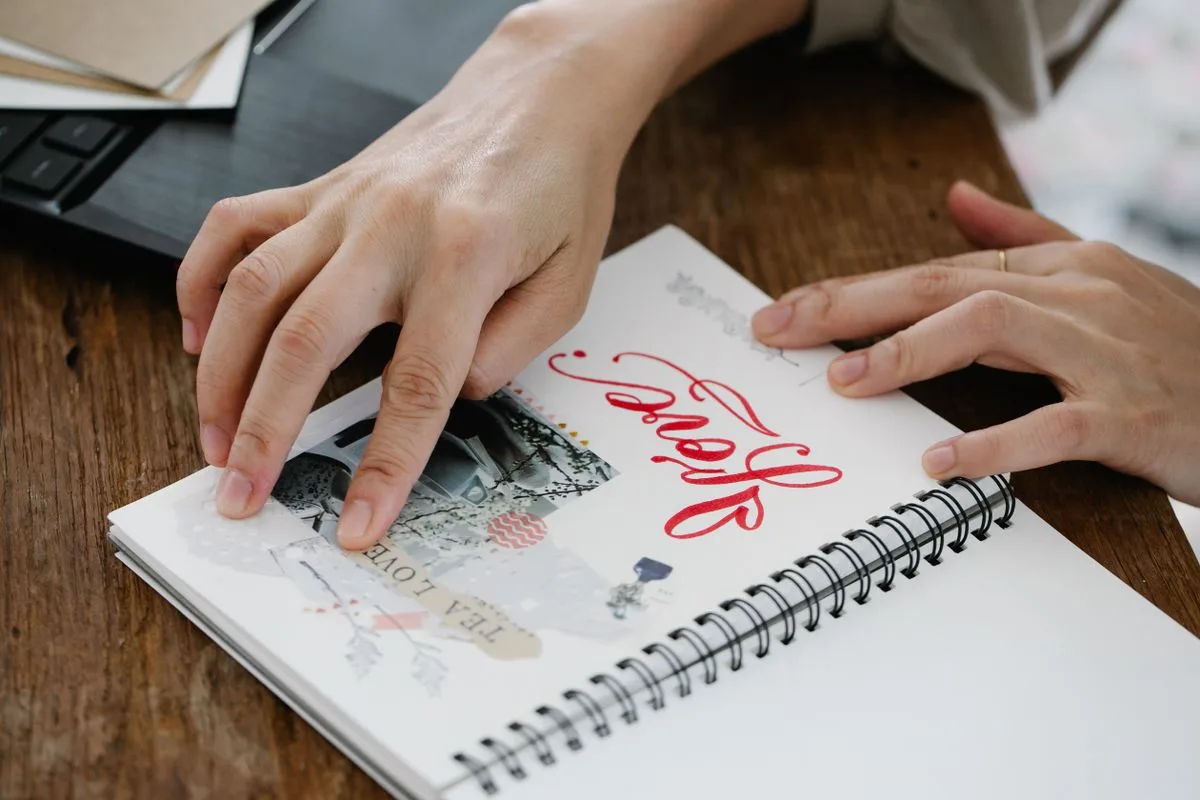
The best birthday scrapbook captures who someone was at a specific age, not only the party they had. Save the cards and a few photos, write down their favorites for the year, and let the cake and the candles share the page with the handwriting from everyone who showed up.
Before you buy a thing, go get the cards. Not just this year’s, all of them, from whatever drawer they have been hiding in.
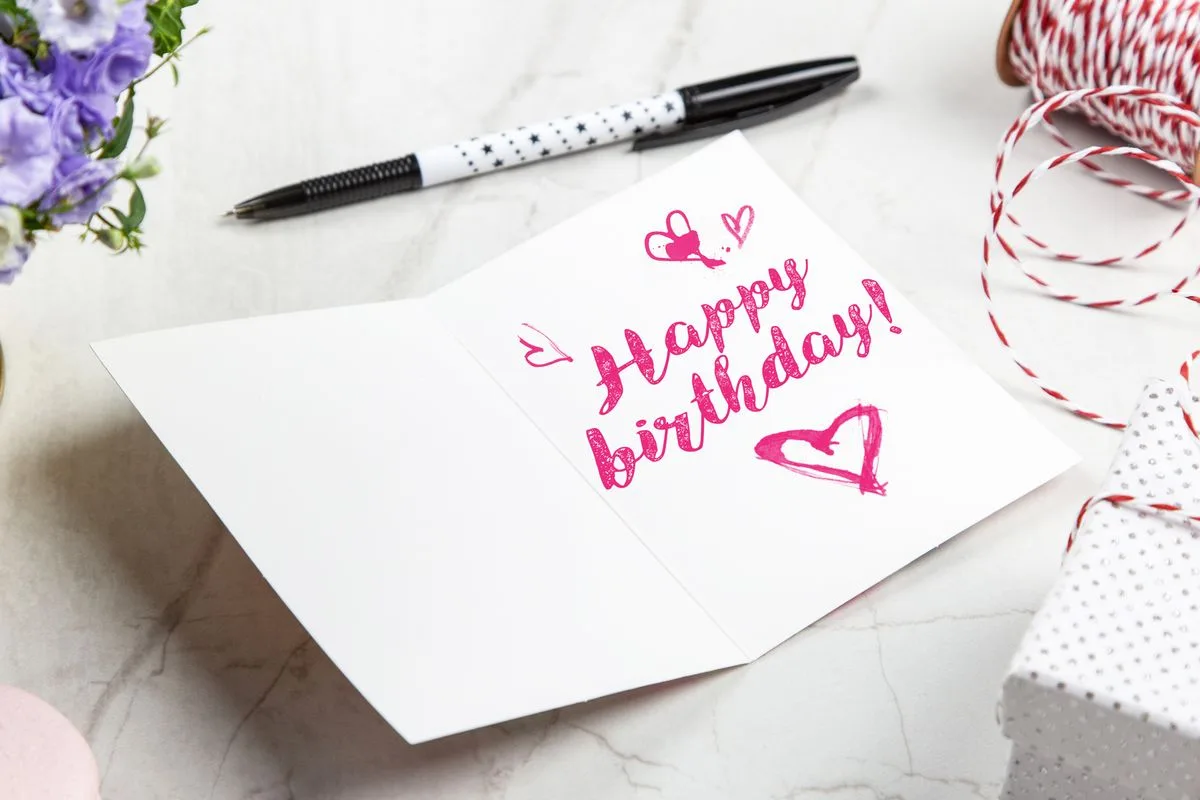
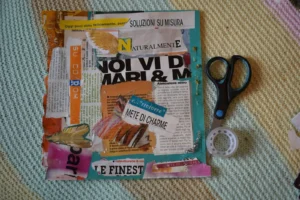
Birthday cards are the keepsake most people overlook. They are dated by definition, they carry real handwriting from people who matter, and half of them are funnier than anything you would think to write yourself. The card a grandparent signed becomes priceless the year you lose them. The wobbly homemade one from a kid is a snapshot of exactly how old they were. Glue a few of the best straight onto the page, trim the fronts of the ones with great art, and tuck the rest into a pocket so the whole stack rides along without taking over.
If you only ever do one thing for a birthday scrapbook, save the cards. Everything else is a bonus.
One big birthday, or one page a year
Birthdays come in two shapes, and the shape decides how the book is built.
A milestone book is built around a single big one: a first birthday, a sweet sixteen, a twenty-first, a fortieth. It goes deep on one day, the party, the people, the year that led up to it, and it usually gets finished because it has an obvious end. This is the one people make as a gift.
A year-by-year book is the long game: one or two pages per birthday, added every year, watching a kid turn from a frosting-covered toddler into a teenager who is mortified you still do this. It is never finished, and that is the point. You are building a flip-book of a whole childhood, one cake at a time.
Neither is better. A milestone book is a sprint with a deadline. A year-by-year book is a habit you keep on one afternoon a year. Pick the one you will actually keep up with, because a half-built year-by-year book that stops at age four is sadder than no book at all.
Catch who they are at this age
Write down who the person actually was that year. The photos will cover what they looked like; nothing else is going to catch who they were.
A photo shows what they looked like. It does not show that at six their favorite food was plain pasta and nothing touching it, that they wanted to be a garbage truck when they grew up, or that they called butterflies “flutterbies” and nobody had the heart to correct them. So interview them, or just write it down yourself. Favorite food, favorite show, best friend that month, the word they always got wrong, how tall they were against the door frame, the thing they were obsessed with. For an adult, swap it for a quick year-in-review: what changed that year and the running joke nobody could quite explain later.
This one page ages better than every photo combined.
Pages for the party itself
The party is the easy part, because it photographs itself.
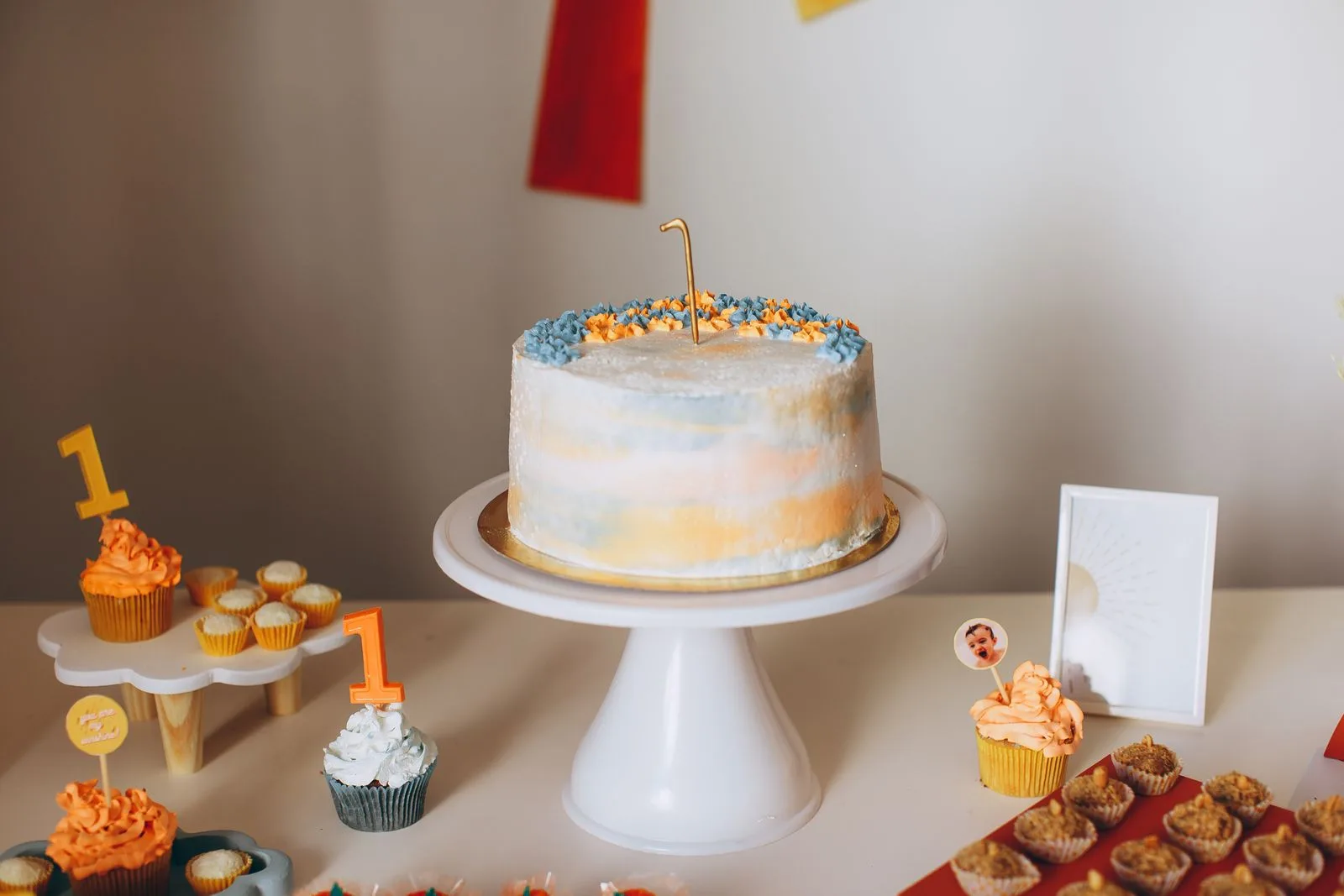
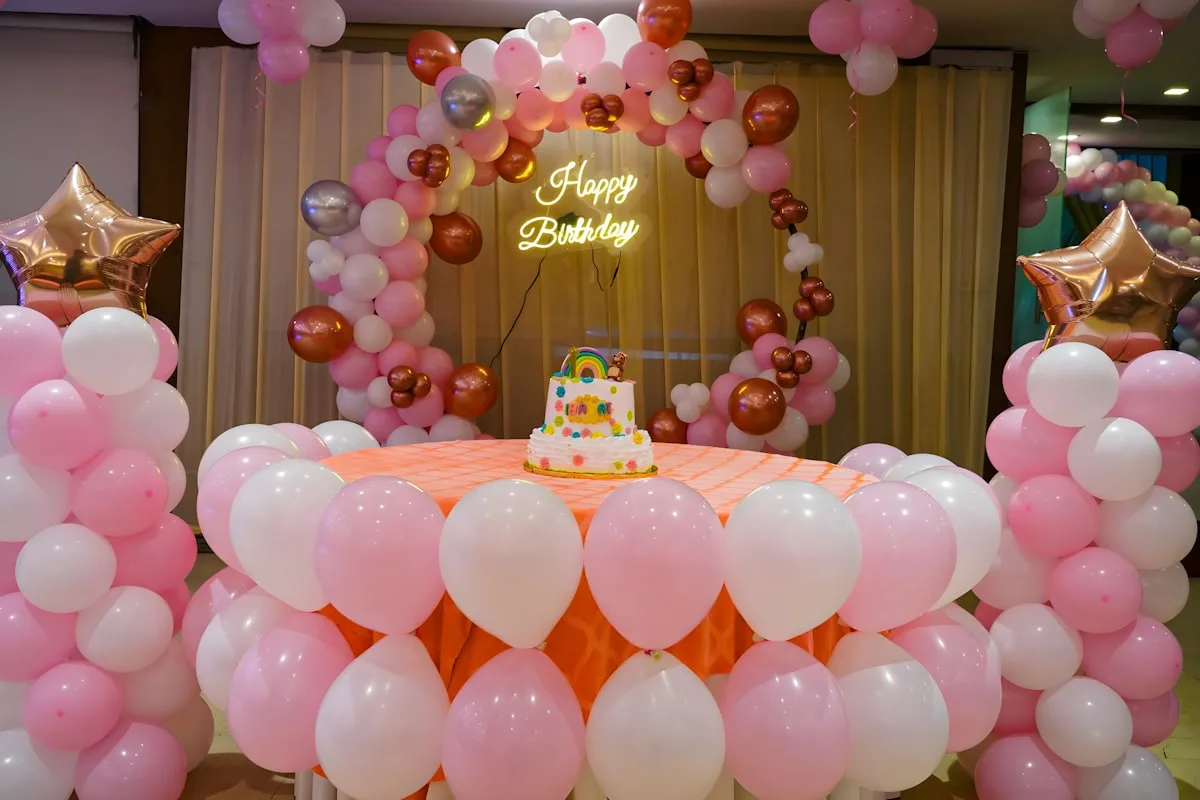
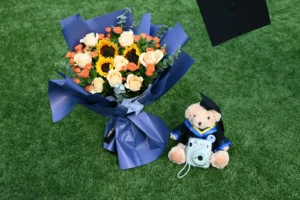
Give the day its own spread and let the chaos in. The cake before it got demolished and after. The face mid-wish, eyes shut tight. The pile of shoes by the door that tells you how many kids showed up. The guests, ideally with names, because in fifteen years you will not remember who half of them were. A few honest lines help more than perfect captions: the gift that got played with for an hour and then abandoned for the box it came in, the meltdown at hour two, the friend who cried because the balloon flew away. Save a scrap of the wrapping paper or a snipped piece of the banner, since a bit of the real thing does more for a page than one more photo would.
For a kid’s party, a handful of scrapbook stickers in the party’s theme save you from having to draw anything yourself.
Make the age the hero
When a spread will not come together, let the number do the work. No other kind of page comes with a built-in design element like the age, so lean on it.
The big number. A giant “7” cut from patterned paper, filling half the spread, photos tucked around it. Reads instantly, even from across the room.
The interview page. The favorites list laid out clean, in their own handwriting if they are old enough, with one good portrait beside it.
The cake-through-the-years grid. For a year-by-year book, a grid of every birthday cake in order. It is somehow more moving than the face photos.
The guest spread. Photos of everyone who came, names underneath, the cards from each of them clustered nearby.
If a layout still fights you, pull a grid from our scrapbook page layouts and bend it around the number. And if this is a baby’s first, our first birthday and baby scrapbook guide carries the month-by-month build that leads right up to the cake smash.
Sleeve the cards so they last
You want the cards still readable when the kid is grown, and the cards are quietly working against you. Drugstore birthday cards sit on cheap, acidic paper that yellows with age, and the glittery ones shed tiny plastic flakes that rub off onto anything stored against them. So give the keepers a little distance: stand the ones you want whole in photo-safe sleeves instead of gluing them face-down, and quarantine the heavy glitter cards in a pocket of their own, well clear of the photos.
Anything you do paste down follows the same rule as the rest of the book, photo corners under real prints and an adhesive that will not yellow them. Our safe glues for paper crafts rundown covers which one grips a glossy card and which stays gentle under a photo.
Do that, and the card a grandparent signed in shaky cursive is still legible long after the drawer it used to live in has been emptied and cleaned out twice. The pile finally gets read instead of buried, and the book turns out to be the one thing that can still tell you who everybody was, and exactly how old.
Frequently asked questions about birthday scrapbooks
What do you put in a birthday scrapbook?
The birthday cards, a handful of photos from the day, and a list of the person’s favorites for that year. Add party ephemera like a scrap of wrapping paper or the banner, a few honest notes about what actually happened, and for a kid, a height marker. The cards and the favorites list are what make it worth keeping.
How do I start a birthday scrapbook for my child?
Decide whether you are making one milestone book or a year-by-year book you add to every birthday, then gather this year’s cards and photos into one spot. Write down their current favorites before you forget them. A year-by-year book only needs one or two pages per birthday, so it stays doable even on a busy year.
What is a good birthday scrapbook idea for a best friend?
Lean into the inside jokes. Collect photos from across your friendship, the worst old ones included, and ask a few mutual friends to write a line each. A milestone birthday like a thirtieth is the natural excuse, and the cards and notes from everyone matter more than how neat the pages look.
How do I keep glittery birthday cards from ruining the photos?
Keep them apart. Glitter cards shed tiny plastic flakes that rub off onto photos and work loose under glue, so keep them in their own photo-safe pocket or sleeve rather than gluing them next to a print. If you love a glitter card, photograph it and use the photo on the page, and store the real one in a pocket.
Should a birthday scrapbook be paper or a digital photo book?
A paper book keeps what a screen never can: the actual cards, the handwriting, a snipped corner of the banner. A digital photo book prints quickly and lets you order extra copies for grandparents. Many people do a paper book for a big milestone birthday and a quick photo book for the in-between years, since the cards are the real reason to keep paper.
Get free junk journal printables
New printables, page ideas, and paper craft tutorials, straight to your inbox.
Six easy ways to add clean letters and titles to your scrapbook pages, from peel-and-stick alphabets to printing your own, so no title ever wobbles again.
Scrapbook ideas for your boyfriend that mean something without tipping into cheesy: what to put in it, themes, a ten-page starter order, and how to keep it him.
A beginner guide to scrapbook ideas: how to pick a finishable project, what supplies you actually need, layout and cover basics, and keeping it from feeling like homework.
Turn the gift bag of invitations, vows, and a squashed corsage into a wedding scrapbook you actually open, then grow it into an anniversary book year by year.
Turn every December pile of photos and cards into one Christmas scrapbook you add to each year: what to save, festive layouts, and color that skips the clearance-aisle look.
Manage Consent
To provide the best experiences, we use technologies like cookies to store and/or access device information. Consenting to these technologies will allow us to process data such as browsing behavior or unique IDs on this site. Not consenting or withdrawing consent, may adversely affect certain features and functions.
Functional
Always active
The technical storage or access is strictly necessary for the legitimate purpose of enabling the use of a specific service explicitly requested by the subscriber or user, or for the sole purpose of carrying out the transmission of a communication over an electronic communications network.
Preferences
The technical storage or access is necessary for the legitimate purpose of storing preferences that are not requested by the subscriber or user.
Statistics
The technical storage or access that is used exclusively for statistical purposes.The technical storage or access that is used exclusively for anonymous statistical purposes. Without a subpoena, voluntary compliance on the part of your Internet Service Provider, or additional records from a third party, information stored or retrieved for this purpose alone cannot usually be used to identify you.
Marketing
The technical storage or access is required to create user profiles to send advertising, or to track the user on a website or across several websites for similar marketing purposes.