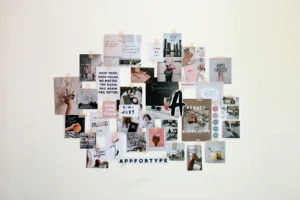
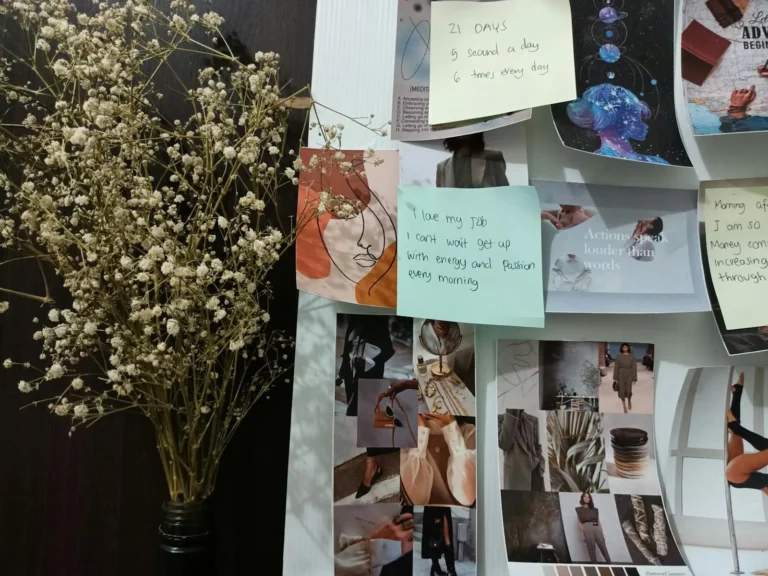
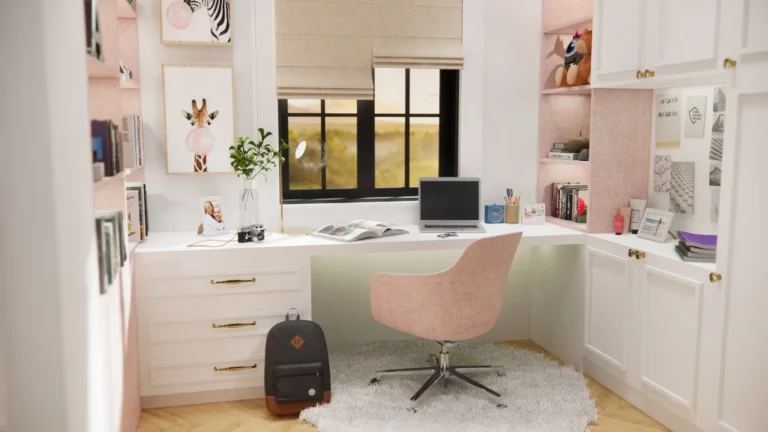
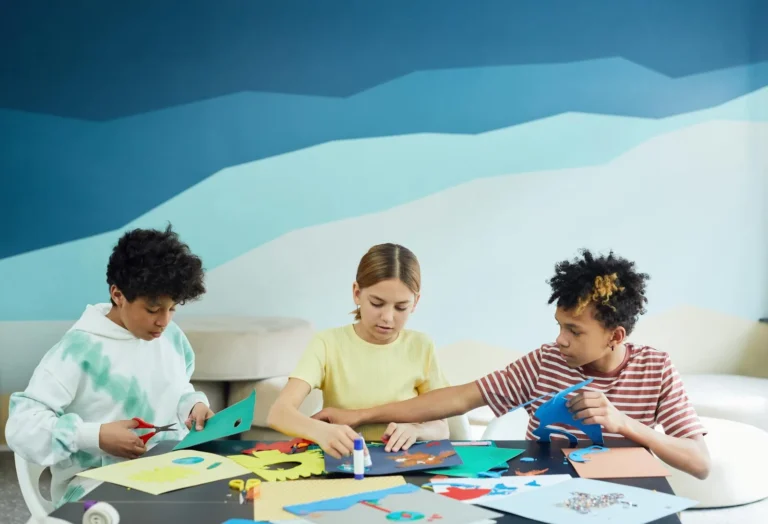
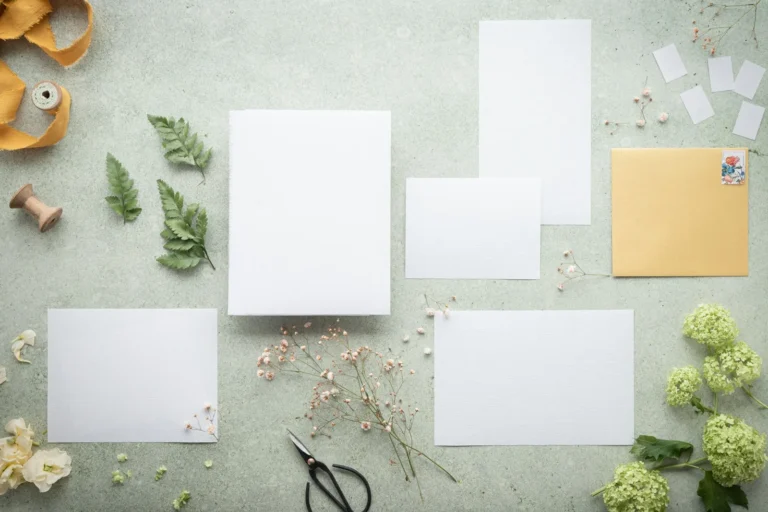
An aesthetic vision board is one built around a single visual style (cottagecore, dark academia, clean minimal, scrappy vintage, modern beige, soft-pop) so that every image, color, and texture feels like it belongs to the same world. The aesthetic is the filter you use to say yes or no to a magazine clipping before it ever touches the glue.
You have the Pinterest folder. It is called “vision board inspo” and it has 247 saves. Half of them are clean white desks with one ceramic vase, a quarter are autumn libraries with brass lamps, the rest are pink-and-glitter manifesting templates from 2019, and somewhere in there is a Wong Kar Wai film still you do not remember saving. You sit down on a Saturday to actually make the board, dump everything on the floor, and the result looks like five different people’s boards photocopied on top of each other. The board is in the bin by Tuesday.
The problem is not the goals. The problem is that you skipped the aesthetic step. Picking a single style first turns a chaotic Pinterest folder into a cohesive board, and a cohesive board is the one that stays on the wall for an entire year because it actually looks good in the room.
The short version: Pick one aesthetic before you cut anything: cottagecore, dark academia, clean minimal, scrappy vintage, modern beige, or soft-pop are the six that show up most. Then say no to every image that does not match. Same color palette across the board. Same paper quality. One typography family. The board ends up looking like a magazine spread, not a 2010s Tumblr scrapbook.
“Aesthetic” in this context is short for visual identity. It is the mood, color palette, paper textures, photography style, and typography that you commit to before you start gluing. Three boards can have identical goals (a yoga practice, a savings target, a writing routine) and look completely different because one was built cottagecore, one dark academia, one clean minimal.
The aesthetic does two real jobs:
It filters input. When you are flipping through magazines and saved pins, the aesthetic answers “does this image earn a spot.” Most clippings get a no, and that is the point.
It signals intent to your own brain. A board that matches the visual world you want to live in is a board you actually look at. A chaotic board reads as visual noise, and your eyes start sliding past it within two weeks.
If you are still figuring out what “your” aesthetic is, the collage layout guide shows how to test two or three styles on a small scale before committing to a full board.
Six aesthetic vision board styles (with the actual visual cues)
The six below cover roughly 80 percent of what people are reaching for when they search “aesthetic vision board.” Read all six, dog-ear two, build with one.
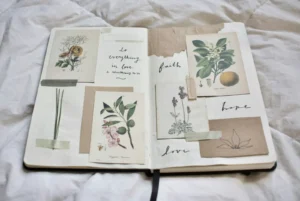
1. Cottagecore and botanical
Cottagecore boards lean garden, kitchen, slow living, and analog craft. Visual cues: ivory and kraft papers, pressed flowers, soft sepia photographs, deckle edges, twine, a hand-written title in brown ink. Color palette: cream, sage, dusty rose, muted gold, soft brown. No black, no neon, no metallics other than warm gold.
This aesthetic is the easiest to source for, because almost every craft store carries cottagecore-adjacent ephemera by default. Risk: it can age into “Pinterest farmhouse” cliché if you lean too hard on mason jars and chalkboard fonts. Pull from real garden magazines and old cookbooks instead.
2. Dark academia
Dark academia boards lean books, libraries, old universities, autumn, Latin, candlelight. Visual cues: deep navy, oxblood, forest green, antique brown, brass detail. Sepia photos of libraries and gothic architecture. Latin or French quotes, serif typography (Garamond, Caslon), gold leaf accents, leather textures.
Best aesthetic for academic goals: a thesis, a language, a degree program, a writing project. Risk: leaning into the costume side (skulls, candles arranged for the photo) and ending up with something that looks like a Halloween mood board. Keep the focal images about the actual life you want, not the props.
3. Clean minimal
Picture an Apartamento spread that someone has narrowed down to one photo, one quote, and a lot of white. That is the clean-minimal aesthetic. Almost no ornament, narrow margins, one accent color (matte black, terracotta, or one quiet neutral), sans-serif title in lowercase, photographs printed crisply on a white poster board.
The clean-minimal aesthetic is the most apartment-friendly: it reads as decor, not as a project. Risk: it gets boring fast and you stop noticing it. Counter with one strong, slightly unexpected focal image (a portrait, a piece of architecture, a textured fabric scrap) so the board has one anchor your eye lands on.
4. Scrappy vintage and ephemera
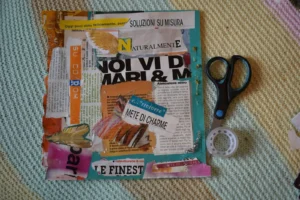
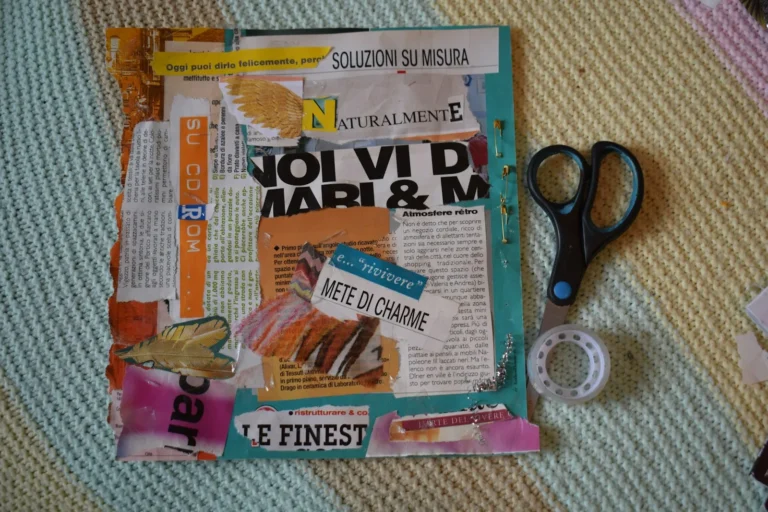
The scrappy vintage aesthetic borrows from junk journaling: layered ephemera, vintage tickets, postcards, sheet music, old maps, mismatched paper weights, visible glue, deliberate imperfection. Visual cues: amber and umber tones, hand-stitched edges, faded blues and reds, postage stamps, deckled and torn edges, brown kraft.
Best aesthetic if you also keep a junk journal: you can pull supplies from the same drawer. Our vision board materials list covers ephemera packs that work for both. Risk: scrappy can tip into messy if you do not commit to a color palette. The fix is to pull every scrap through one tea-wash or one ink wash before you start, so the whole pile lives in the same tonal family.
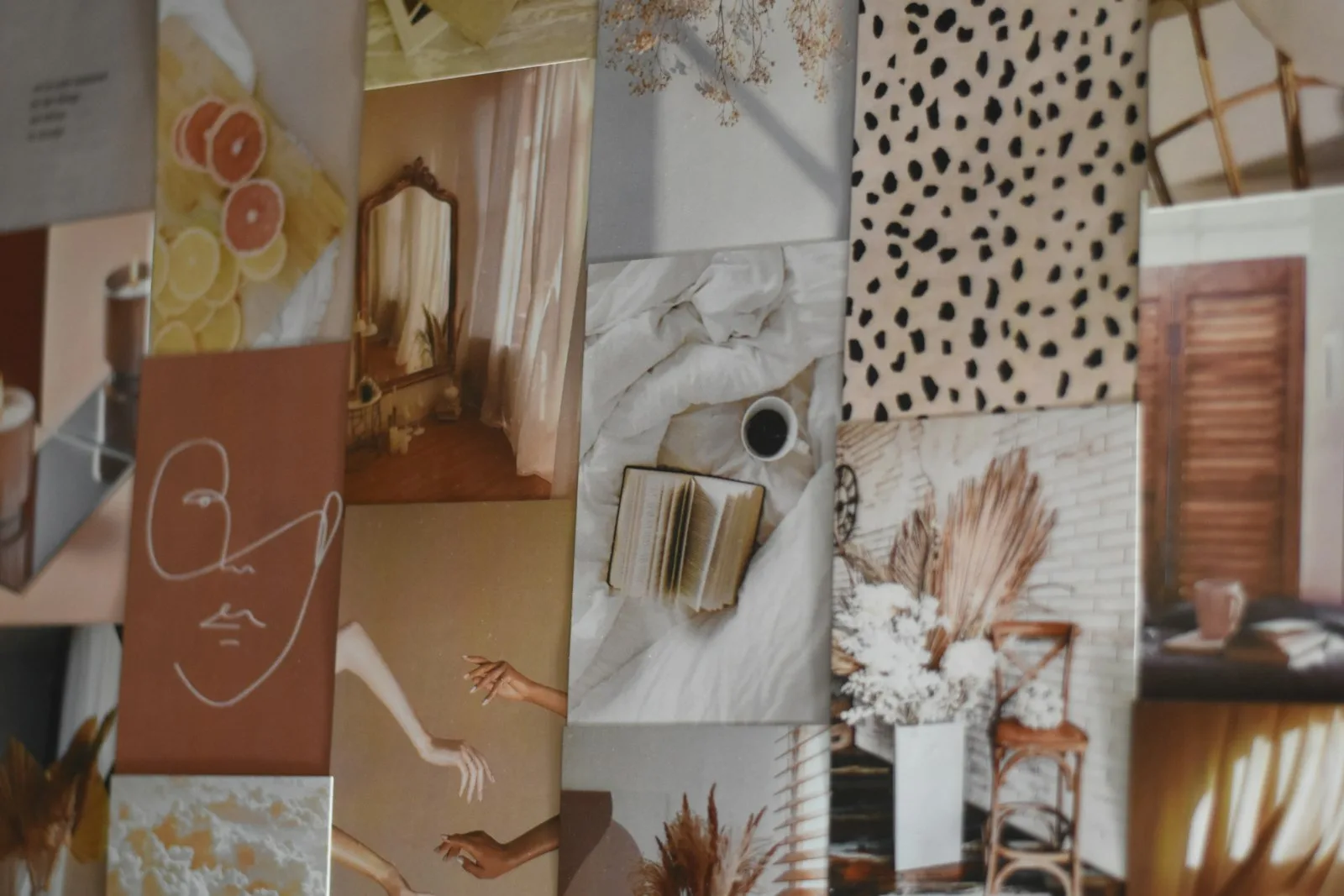
5. Modern beige and neutral
This is the aesthetic of every hotel lobby that has opened since 2019. Cream and tan and stone-grey, one warm accent (rust, ochre, or olive), magazine-quality photographs cut cleanly, sans-serif type at small size, generous negative space. Often built on a thicker matboard rather than thin poster board.
Best aesthetic for “the life I want to walk into” boards: travel, home, career level-ups, a slower lifestyle. Risk: it can look like a Zara homeware catalogue rather than your actual life. Slip in one personal photograph or one piece of your own handwriting to keep it tied to you.
Best aesthetic for boards built around joy, friendships, travel, creative play. Risk: this is the aesthetic that ages fastest. A soft-pop board from 2019 reads dated by 2024. Refresh more often than you would with the other five (every six months instead of yearly).
How to keep a vision board cohesive (the actual rules)
Cohesion is the difference between “this looks intentional” and “this looks like a fifth-grade collage project.” Four rules carry almost all of the work.
1. One color palette, no exceptions
Pick three to five colors and write them down on a small card before you start. Every image, paper, and ink color has to fit. If a magazine clipping has the right subject but the wrong color, you set it aside. It fixes more boards than the other three rules put together.
A trick: photograph each candidate clipping in low light next to your palette card. Anything that visibly clashes goes back in the pile.
2. One paper weight or finish
Glossy magazine pages next to matte craft paper next to printer-printed photos read as visual noise. Pick one (matte, glossy, or matte-printed photo) and stay within it. Magazine cuttings can be tea-washed lightly to dull the gloss if you want them in a matte-paper board.
3. One typography family
If you handwrite the labels, all the handwriting should be your hand. If you print labels, pick one font and use it for every label and quote on the board. Two fonts maximum, and only if one is clearly a header and one is clearly body. More than that and the board reads as a ransom note.
4. One image style for the photographs
Sepia, full-color, black-and-white, or single-tone (everything cyanotype-blue, everything kraft-brown). Pick one. Mixing colored magazine cuts with black-and-white printed photos reads chaotic almost every time, even when the goals on the board are clear.
A small test before you glue anything: Lay out every candidate piece on the poster board with no glue. Step back six feet and squint at it. If your eye lands on one piece in a “what is that doing there” way, it does not belong. Pull it. The squint test will save you an hour of regretting glued-down clutter.
Common aesthetic vision board mistakes
These five show up in almost every chaotic board, and each has a fast fix.
Saving from too many Pinterest accounts. Every saved pin is from someone else’s aesthetic. Curate from two or three boards you genuinely like and trust the curator of, not from search-all.
Mixing photography styles. Magazine cuts, your own phone photos, and printed Pinterest pins read at three different resolutions and three different temperatures. Pick one source and stay with it for at least half the board.
Too many quotes. Two quotes maximum on an aesthetic board, ideally one. The board is for images of the life. The journal is for the words about it.
No anchor image. Every cohesive board has one focal image your eye lands on first. Without an anchor, the board reads as scatter. Pick the anchor first (the largest, most important image) and build out around it.
Decor-only with no goals. An aesthetic board with zero actual goals is a mood board, which is also fine, just labeled differently. If you wanted a working vision board, write at least one specific, sentence-long goal in your own handwriting somewhere visible. The manifesting guide explains why the goals have to be specific to actually do anything.
What you need to build an aesthetic vision board
You need less than a full craft-store haul. A real starter set is four things: a board (poster or cork), one pack of magazines or printed images in your chosen aesthetic, a glue stick, and scissors. Optional but useful: washi tape in your palette, a black or brown fine-line pen, and a small printable label sheet.
Magazine sourcing by aesthetic:
Cottagecore and botanical:Garden Illustrated, Country Living, old cookbooks. Seed catalogs are a sleeper-source nobody talks about and they come free in the mail.
Dark academia:The New Yorker, used Penguin classics with cover art, Cabinet, university alumni magazines (yes, even ones you did not attend).
Modern beige:Architectural Digest for the rooms you will not afford this decade, which is part of the point. Elle Decor, Vogue (cut for fashion textures, not faces).
Soft-pop: Pinterest screenshots printed on glossy 4×6, sticker sheets, washi tape from any craft store.
The full vision board supplies list covers the under-twenty-dollar starter kit, with notes on which dollar-store finds actually work and which crumble on day three.
Frequently asked questions about aesthetic vision boards
How do I find my vision board aesthetic if I love everything on Pinterest?
Make three tiny mood boards on plain paper, each in a different aesthetic, before you build the real one. Use ten clippings per test. The one you keep coming back to in the week after is yours.
Can a vision board have more than one aesthetic?
Technically yes; visually, no. Two aesthetics on one board cancel each other out. If you cannot pick, make two smaller boards (one per aesthetic) instead of one chaotic large one. They can hang next to each other.
Which aesthetic should I pick if I genuinely cannot decide?
Pick the one that looks closest to the room you already live in. Not the room on Pinterest, the one with your laundry on the chair. A board that matches your real space is one you walk past every day and absorb without thinking. A board that matches an imaginary apartment ends up looking aspirational in the bad sense: too far from the life you have to actually pull you toward it.
How do I make a digital aesthetic vision board?
Canva is the path of least resistance, especially for the modern-beige and clean-minimal styles where their templates already do half the work. The cohesion rules are exactly the same: one palette, one font, one image style. If anything, digital boards are harder to keep cohesive because the resolution and saturation of saved images vary wildly. Run everything through one filter or one preset before placing it, even if that preset is just “make all warmer by ten percent.”
Will a more aesthetic vision board actually work better than an ugly one?
A cohesive board you keep on the wall and look at every day will outperform a chaotic board you stash in a drawer, simply because attention is the active ingredient. Aesthetic is not magic. It is the part that decides whether the board stays visible.
You will know your aesthetic is right when you walk past the board on a Tuesday morning and want to stop for two seconds. Not because the board is impressive, but because it looks like the room you wanted to wake up in. Pick the style, say no to everything off-palette, and you end up with a board that earns its square foot of wall instead of the Sunday-bin fate of all the chaotic ones before it.
Get free junk journal printables
New printables, page ideas, and paper craft tutorials, straight to your inbox.
The vision board materials that actually matter and the ones to skip. Black foam board over poster, tape runner over glue stick, magazines, and the three quiet upgrades nobody puts in a kit.
How to write goals that work on a vision board: the four kinds every working board needs, the number-and-date trick, placement rules, and the review cadence that keeps the board alive.
The seven vision board books worth reading, sorted by who each one is for. Plus the patterns that quietly mark a book as filler before you spend the money.
A teen vision board works best when it is built around two or three real, near-term goals (one semester, one summer, one season of a sport) instead of a full life plan. The high school version of “the rest of your life” changes about four times before graduation, and a board that tries to picture…
How to host a vision board party for four to eight friends. Supply math per guest, three-hour schedule, snacks that do not interrupt cutting, prompts to push past the obvious cutouts.
A vision board kit is worth buying if it solves the blank page problem for you, and is a waste of money if you would have collected most of the same stuff on your own at the dollar store. The price has very little to do with the result; what a $30 kit actually buys…
Manage Consent
To provide the best experiences, we use technologies like cookies to store and/or access device information. Consenting to these technologies will allow us to process data such as browsing behavior or unique IDs on this site. Not consenting or withdrawing consent, may adversely affect certain features and functions.
Functional
Always active
The technical storage or access is strictly necessary for the legitimate purpose of enabling the use of a specific service explicitly requested by the subscriber or user, or for the sole purpose of carrying out the transmission of a communication over an electronic communications network.
Preferences
The technical storage or access is necessary for the legitimate purpose of storing preferences that are not requested by the subscriber or user.
Statistics
The technical storage or access that is used exclusively for statistical purposes.The technical storage or access that is used exclusively for anonymous statistical purposes. Without a subpoena, voluntary compliance on the part of your Internet Service Provider, or additional records from a third party, information stored or retrieved for this purpose alone cannot usually be used to identify you.
Marketing
The technical storage or access is required to create user profiles to send advertising, or to track the user on a website or across several websites for similar marketing purposes.