You taped the chart to the fridge, handed your kid the first sticker, and for about four days it was magic. Teeth got brushed without a fight. Then somewhere in week two the stickers piled up, the prize never quite arrived, and the chart became another thing on the fridge nobody looks at. The chart was not the problem. The way it was set up was.
A sticker chart is a printable grid where a kid (or an adult) earns a sticker for doing a target behavior, building toward a small reward. Potty training, chores, reading minutes, getting dressed without a standoff, the format is the same: do the thing, place a sticker, watch the row fill up. It works because it takes an invisible goal and makes it something you can see and touch.
The reason charts fizzle is almost never the chart itself. It is too many behaviors at once, a reward that lives a hundred stickers away, or a parent who started subtracting stickers as punishment. Set up right, a printable chart costs you a sheet of paper and turns a daily battle into a game your kid wants to win.
The short version: A sticker chart makes a goal visible and rewards it the second it happens. To make one work, track one clear behavior, set a reward that is close enough to feel reachable, hand the sticker over immediately, and never take earned stickers away. Print a free template, keep the goal small, and swap it out once the habit sticks.
A sticker chart works for the same reason a progress bar works on you as an adult. The row fills, the end gets closer, and stopping one box short starts to feel worse than just doing the thing. Each sticker is a small reward handed over the moment the behavior happens, and that immediacy is what carries it. A prize on Saturday is too far away for a four-year-old to connect to brushing teeth on Monday. The sticker on Monday is right now.
The catch worth knowing is that charts work best for a single, specific behavior. “Be good” is not a target. “Brush your teeth before bed” is. The narrower the behavior, the clearer it is to the kid when they have earned the sticker, and the less room there is to argue about whether they did.
You do not need to chase a chart forever, either. The point is to get a habit started, not to pay for the same behavior at age ten that you started rewarding at four. Once the routine runs on its own, you retire that chart and, if you want, start a new one on something else.
The main types of sticker charts
The format flexes to almost any goal. The common ones:
Potty training charts. The classic. One sticker per successful trip, often with a bigger reward at a full row. Short timelines, fast wins.
Chore charts. A grid of tasks down one side and days across the top, a sticker in each square that gets done. Good for school-age kids who can read the list.
Behavior charts. Aimed at one habit you want to build: kind words, staying in bed, getting dressed on time. One behavior per chart works far better than a catch-all.
Reading charts. A sticker per book or per ten minutes read, which turns reading into something visible and countable.
Routine charts. Morning or bedtime sequences, where each step (teeth, pajamas, story) earns a sticker, so the routine carries itself instead of you narrating it.
You can print a different chart for each goal, which is the quiet advantage of printables over a store-bought one: when the goal changes, you print a new sheet instead of buying a new product.
How to set up a chart that does not fizzle
This is the part that decides whether the chart lasts a month or a long weekend. The rules are simple and most fizzled charts break at least one of them.
One behavior at a time. A chart tracking five things teaches a kid to chase the easy stickers and skip the hard one. Pick the single habit that matters most right now.
Make the reward reachable. A prize seven stickers away keeps a young kid in the game. A prize fifty stickers away is a prize they will never see. Match the distance to the age: shorter for toddlers, longer as they grow.
Hand the sticker over immediately. The reward is the sticker, placed in the moment. Saving them up to award later quietly kills the thing that makes the chart work.
Never take stickers back. Removing an earned sticker as punishment turns the chart into a threat, and the kid stops trusting it. Earned is earned, and a chart works best when it only ever adds.
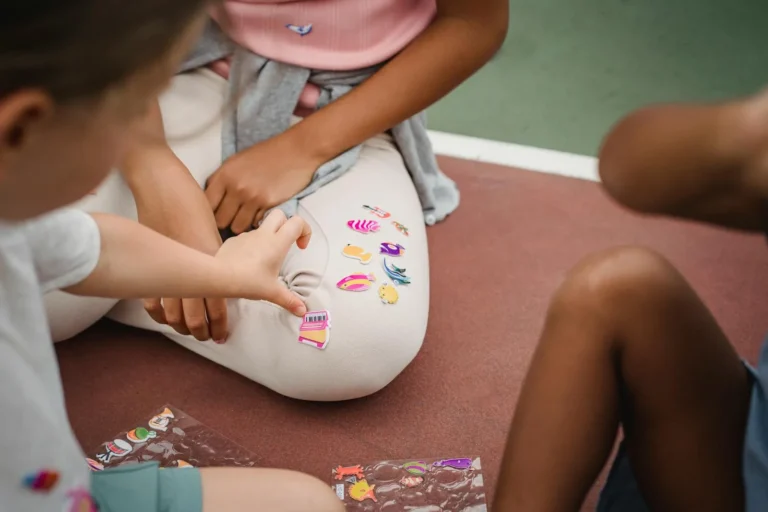
Let them place it. The small ceremony of the kid peeling and sticking the sticker is half the reward. Do not do it for them.
Get those right and the chart mostly runs itself. Get the reward distance wrong and no amount of cute stickers will save it.
Sticker charts work for grown-ups too
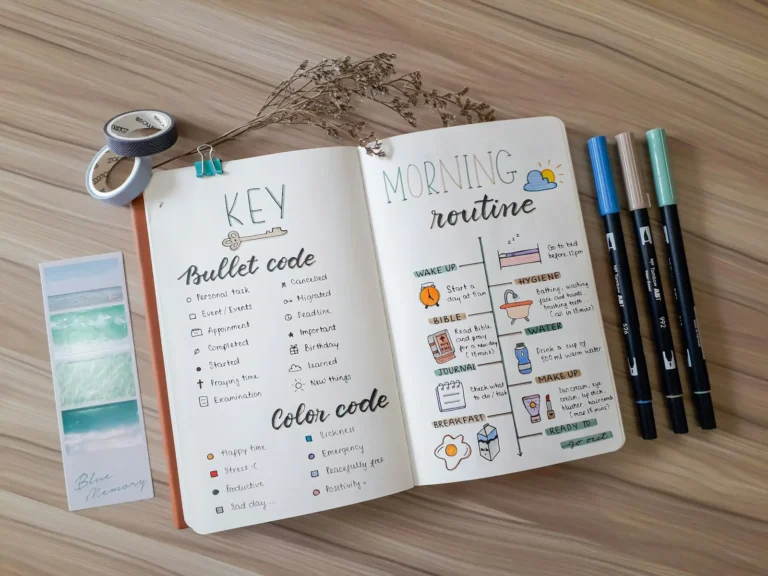
The same trick works on adults, we just call it a habit tracker and use tidier stickers. A row of boxes for a daily habit, water, a walk, ten pages of a book, with a sticker or a filled dot for each day you do it, runs on the exact same psychology: visible progress, immediate small reward, a streak you do not want to break.
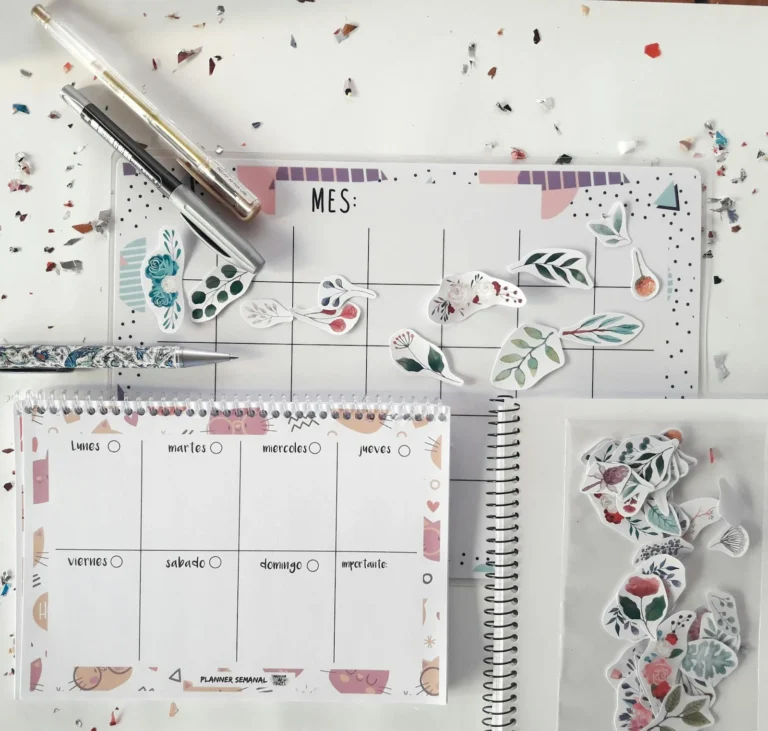
If you keep a planner or a bullet journal, this is where a sticker chart graduates into your spreads. Our journal stickers guide covers the functional icon sets that make a grown-up tracker readable, and the free printable planner stickers roundup has sheets you can drop straight onto a tracker page. The fridge chart and the planner tracker are the same idea in different clothes.
Where to get printable sticker charts, including free
You have three routes, and for charts the free one is almost always the right place to start, because a chart is disposable by design.
Free printable templates. The smartest first move. A chart is a single sheet you will replace when the goal changes, so there is little reason to pay for the first one. Creative Fabrica has a large library of printable reward and sticker chart designs you can download free, in styles from plain grids to themed charts kids actually want to fill. Print one, test it for a week, and you will quickly learn whether your kid responds to a dinosaur theme or just wants more boxes.
Make your own. A chart is forgiving to DIY. A grid drawn on paper, a printed table, or a simple design in any free tool does the job, and you can size the boxes to whatever stickers you already own. This is the cheapest route and the most flexible, since you control exactly how many squares stand between your kid and the reward.
Buy a reusable one. Laminated or dry-erase charts you reuse with washable markers exist if you want something that lasts past one goal. Worth it for a habit you will track for months, overkill for a two-week potty push.
Whichever you pick, the stickers themselves can be anything: a pack of star stickers, leftover sheets from a craft drawer, or printed sticker designs cut to size. If you want to print your own to match a theme, the paper is what makes them last on a fridge, and our best printable sticker paper roundup covers which to use.
A note on printing charts that survive the fridge
A chart lives on a fridge or a wall, which means it gets touched, bumped, and occasionally rained on by a juice cup. A few small choices make it last the goal:
Print on slightly heavier paper if you have it. Standard copy paper curls and tears at the tape line within days.
Laminate or use a sleeve for a chart you will reuse, so you can wipe it and run the same grid again.
Print a spare. Charts get destroyed by the exact kids using them. A backup copy saves the Tuesday-night reprint scramble.
None of this is required. A plain sheet taped to the fridge works fine for a short goal. It is only worth the extra step when the chart needs to outlast a single row.
Frequently asked questions about printable sticker charts
Do sticker charts actually work?
For a single, specific behavior, yes. They make an abstract goal visible and give an immediate reward each time the behavior happens, which is what helps a habit form. They work less well when a chart tracks too many things at once or when the reward is too far away to feel reachable.
What age are sticker charts good for?
Most parents find they work best from around age two to eight, with the preschool and early-school years the sweet spot for a visible, immediate reward. Younger kids need a reward only a few stickers away. Older kids can handle longer charts, and plenty of adults run the same idea as a habit tracker.
How many stickers should a reward chart have before a prize?
Match the number to the age and the goal. A toddler stays motivated with a reward five to ten stickers away. A school-age kid can work toward a longer row. The rule of thumb: close enough that the finish line feels real, far enough that it takes real effort.
Should you ever take stickers away?
No. Removing an earned sticker as a punishment breaks the trust that makes the chart work, and kids stop engaging with it. Keep the chart purely positive, let earned stickers stay earned, and handle discipline separately.
Where can I get free printable reward charts?
Free printable chart templates are the easiest place to start, since a chart is disposable by design. Libraries like Creative Fabrica offer printable reward and sticker chart designs to download free, in plain and themed styles, so you can print one and test it before buying anything.
Print one and start tonight
You do not need the perfect chart to start. Pick the one behavior that is causing the most friction this week, print a free chart with a reward only a handful of stickers away, and let your kid place the first sticker tonight. The magic in week one was real. Setting the reward close and keeping the chart positive is how you make it last past week two.
When the habit sticks, retire the chart and, if you want, start a new one. And if you keep your own planner, the journal stickers guide shows how the same trick becomes the tracker on your own pages. Print the sheet, hand over the sticker, and let the row fill.
Want chart and tracker sheets to print? Our free printable kit includes reward charts, habit trackers, and sticker sheets you can print at home and start using today. Sign up below and we will send it over.
Get free junk journal printables
New printables, page ideas, and paper craft tutorials, straight to your inbox.
You found the perfect sticker design, hit print, peeled it off the sheet, and it either curled at the edges, smudged the second your hand touched it, or refused to stick to anything. The design was never the problem. Printable sticker paper is one of those supplies where the cheap mystery pack and the right…
You set up a clean weekly spread, ruled the boxes, wrote your headers, and then stalled. It is correct and it is boring, and you know one strip of washi along the top and a couple of small stickers would fix it, but you do not want to wreck twenty minutes of work with the…
Paper stickers are perfect right up until the moment one gets touched, splashed, or stuck to anything that moves. Then the edges fuzz, the ink lifts, and the cute label you printed for a water bottle looks like it went through the wash. That is the exact gap printable vinyl fills, and it is also…
You bought the cute sticker book, peeled off the first little washi flower, pressed it onto the corner of a fresh page, and somewhere between sheet two and sheet five you ran out of ideas for where the rest should go. The page looks busy, not finished. That gap, between owning stickers and using them…
Digital stickers are PNG files you drop into GoodNotes, Procreate, or Notability. How to add, resize, and use them, plus where to find free packs.
Manage Consent
To provide the best experiences, we use technologies like cookies to store and/or access device information. Consenting to these technologies will allow us to process data such as browsing behavior or unique IDs on this site. Not consenting or withdrawing consent, may adversely affect certain features and functions.
Functional
Always active
The technical storage or access is strictly necessary for the legitimate purpose of enabling the use of a specific service explicitly requested by the subscriber or user, or for the sole purpose of carrying out the transmission of a communication over an electronic communications network.
Preferences
The technical storage or access is necessary for the legitimate purpose of storing preferences that are not requested by the subscriber or user.
Statistics
The technical storage or access that is used exclusively for statistical purposes.The technical storage or access that is used exclusively for anonymous statistical purposes. Without a subpoena, voluntary compliance on the part of your Internet Service Provider, or additional records from a third party, information stored or retrieved for this purpose alone cannot usually be used to identify you.
Marketing
The technical storage or access is required to create user profiles to send advertising, or to track the user on a website or across several websites for similar marketing purposes.