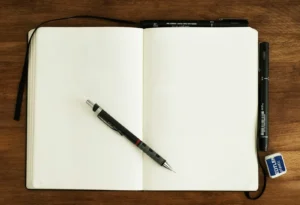
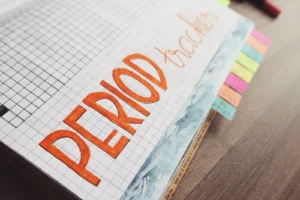
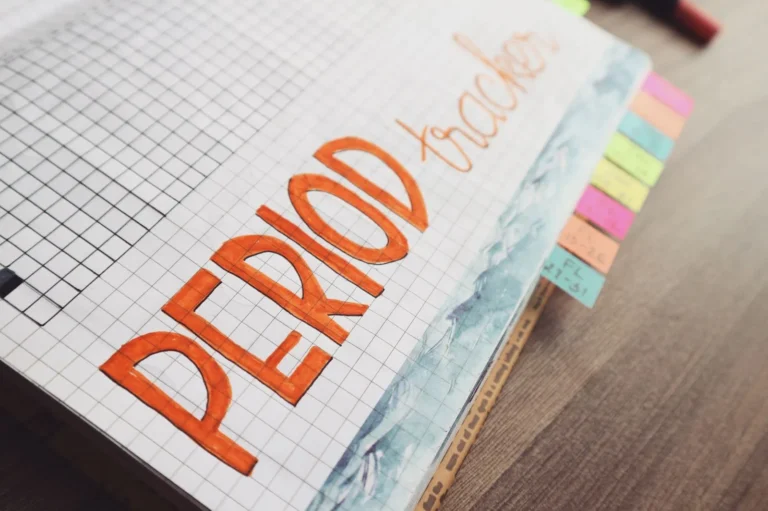
The very first page is where a surprising number of bullet journals die before they begin. You open the new notebook, you know the first page is “the cover,” and suddenly it carries the weight of the whole thing. It has to set the tone. It has to be good. So you put it off until you have the right idea, the right pens, the right afternoon, and the notebook sits untouched on the shelf, still perfect, still empty, because you never cleared the first hurdle. The fix is to stop treating the cover like a masterpiece and start treating it like a doormat: a small, welcoming threshold you step over on your way in.
A bullet journal cover, or title page, is the opening page of the notebook (or of each month) where you put the title, the year or month, and whatever bit of decoration sets the mood. It matters less than the pressure suggests, and it is allowed to be simple. The best cover is the one that gets drawn so you can turn the page and actually start.
The short version: A bullet journal cover is the opening title page of the notebook or month. Treat it as a low-stakes threshold, not a masterpiece you have to nail. A clean typographic title, a single small motif, or a favorite quote all work beautifully, and you can keep it minimal or doodle it up. Done and a little plain beats perfect and never started.
A cover page does two small jobs, and neither requires art. It marks a beginning, so opening the notebook feels like stepping into something fresh, and it sets a mood you want to come back to. That is the whole brief.
Understanding how modest the job is takes the pressure off. You are not designing the definitive image of your year; you are writing a title on the first page. Monthly covers do the same on a smaller scale, giving each month a clean break from the last. Once you see it that way, the right idea stops being something you wait for and becomes something you do in ten minutes.
Cover approaches, from plainest to fanciest
There is a whole range here, and none of them is more correct. Pick the one that matches your skill and the time you have today, not the one that looks most impressive online.
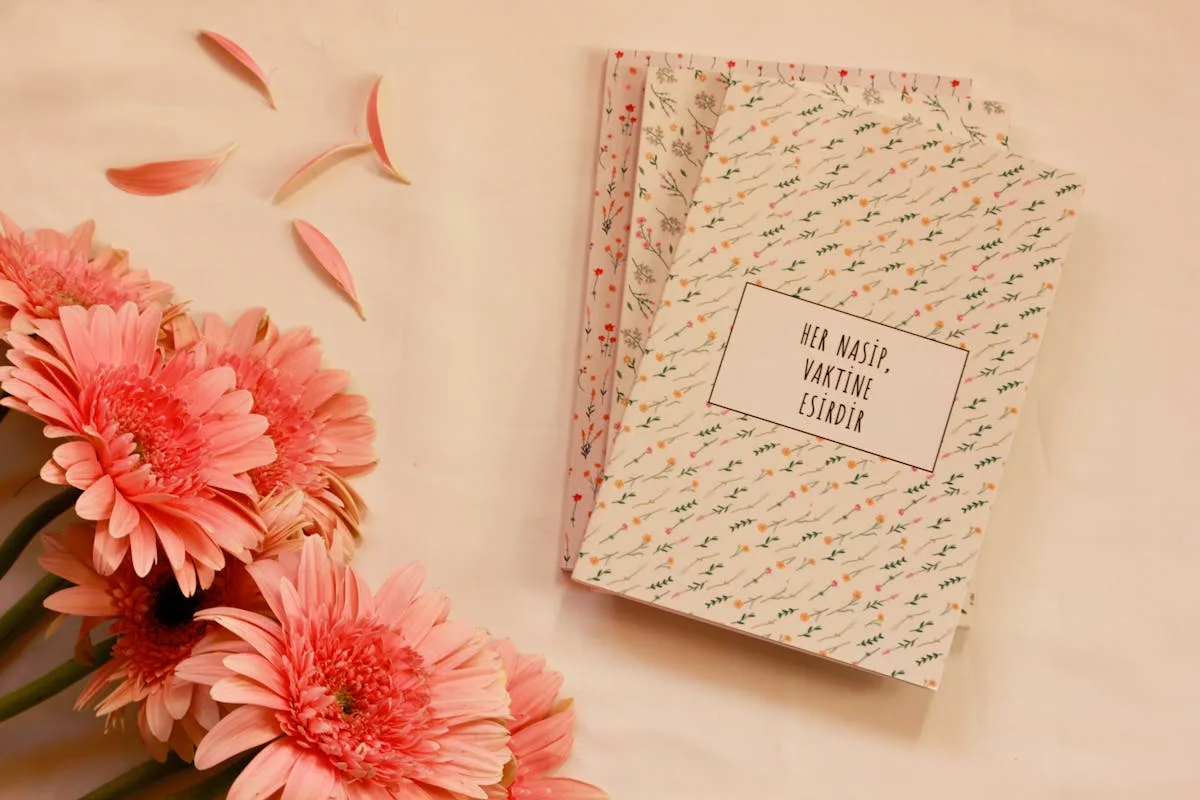
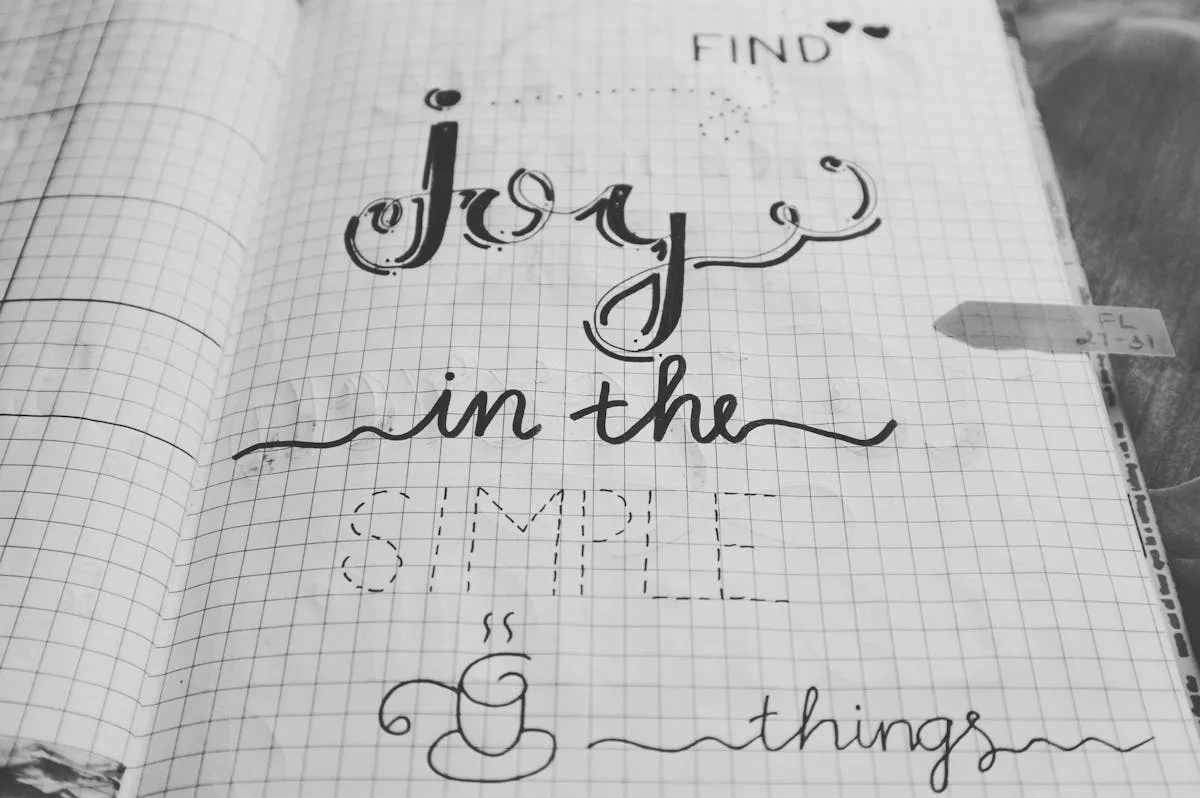
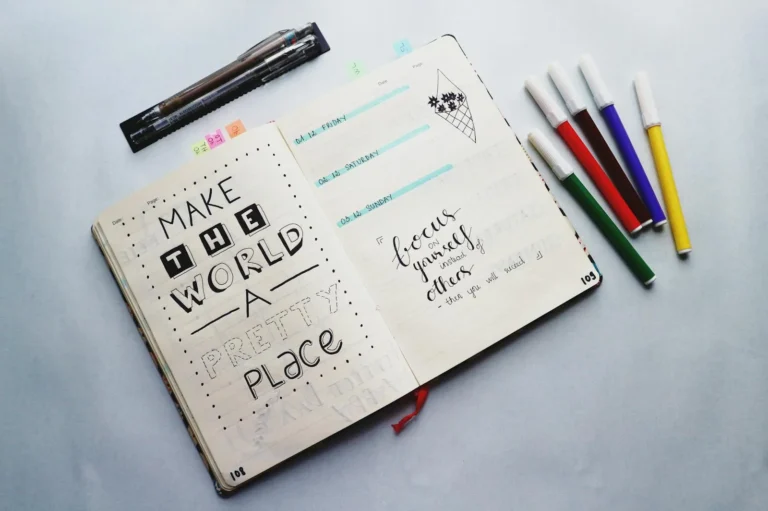
The typographic cover. Just the title, written large and well. “2026,” or “Bullet Journal,” or the month name, in clean block capitals or a simple script, centered with plenty of white space. This is the most underrated cover: it looks intentional and modern, takes two minutes, and needs zero drawing. If lettering is your only skill, lean all the way into it.
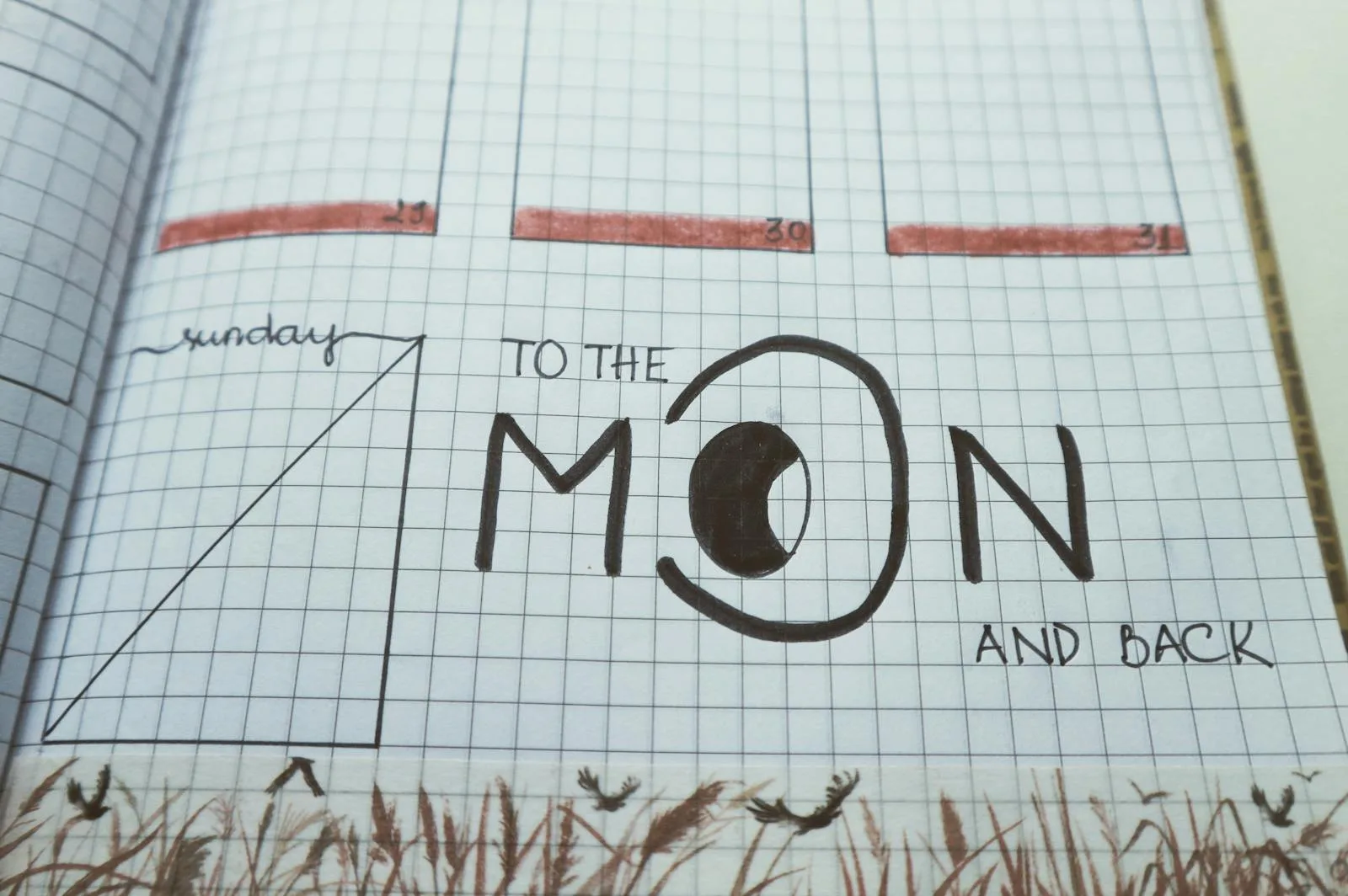
The single-motif cover. One small drawing plus the title. A sprig of leaves under the year, a single moon, a tiny house. One motif is plenty, and it is far easier to do well than a busy scene. This is where one easy doodle does all the work.
The quote cover. A line you want to carry through the notebook, written as the main feature. Lettering plus meaning, no illustration required, and it sets a tone better than most drawings. Keep the quote short so the page does not turn into a writing exercise.
The framed cover. Title in the middle, a simple drawn border or box around it. The frame gives a plain title a finished look in seconds, and a doubled line or rounded corners is as fancy as it needs to get.
The minimalist cover. Title small in a corner, the rest of the page left open. Deliberately spare, calm, and very hard to get wrong. If decoration stresses you out, this is the cover, and it fits the whole minimalist approach.
The full decorative cover. Hand lettering, a color theme, an illustration, the works. Lovely if you enjoy the craft and have the afternoon, since a cover is the one page where going all out makes sense, because you only make it once. Just do not let this be the version that stops you starting.
Monthly covers: a fresh start every few weeks
Beyond the notebook’s main cover, a lot of people add a small title page at the start of each month, and it is one of the nicer habits in the system. A monthly cover is a clean break: it closes out the last month, announces the new one, and gives you a tiny, contained page to be creative on without committing to decorating every spread.
It is also the perfect low-pressure place to experiment. A monthly cover is small and self-contained, so a doodle that flops costs you one little page, not the mood of the whole journal. Try a seasonal motif, a color, a new banner style, and if it works, carry it into the rest of the month; if it does not, next month is a fresh page. This is where doodlers play and minimalists keep it to a clean month name, and both are right.
Don’t let the cover hold the notebook hostage
Here is the practical rule that saves journals: if you do not have a cover idea you love, do the title in plain capitals and move on. You can always come back. Some people leave the very first page blank, start journaling on page two, and design the cover weeks later once the notebook has a personality to reflect. That is a genuinely good strategy, the cover comes easier when you know what the journal became.
The point is that the cover is the least important page in the book, dressed up as the most. The pages that matter are the daily logs, the trackers, the spreads you actually use. A perfect cover on an empty notebook is worth nothing; a plain title on a notebook you fill all year is worth everything. If you are itching to start, how to start a bullet journal walks the setup, and you can decorate the door later.
Frequently asked questions about bullet journal covers
What should I put on a bullet journal cover page?
The essentials are a title (the year, “Bullet Journal,” or the month) and whatever small decoration sets the mood, a motif, a quote, or nothing but clean lettering. A cover only needs to mark a beginning and feel like yours; it does not need an illustration or a color theme. A well-written title with white space around it is a complete, good-looking cover.
How do I make a simple bullet journal cover?
Write the title large and centered in clean block capitals or a simple script, leave generous white space, and stop there. If you want a touch more, add one small doodle or a thin drawn border. The typographic and framed approaches both look intentional, take a couple of minutes, and need no drawing skill at all.
Do I need a cover page for every month?
No, but many people enjoy one. A monthly title page gives each month a clean break and a small, low-stakes spot to be creative without decorating every spread. It is optional, though. If monthly covers feel like extra work, skip them and just start each month with your monthly spread.
What if I’m not artistic enough for a cover?
Then make a typographic or minimalist cover, which are the strongest options anyway and need zero drawing. A title in nice lettering with plenty of white space looks modern and finished. If you want one small drawing, a single easy doodle like a leafy sprig is forgiving. Artistry is genuinely not required for a good cover.
Should I do the cover first or last?
Either works, and last is often easier. If you have an idea you love, do it first. If not, leave the first page blank, start journaling on page two, and design the cover later once the notebook has taken on its own character. Waiting for the perfect cover idea is the single most common way a new notebook ends up untouched.
Step over the threshold and start
That first page was never meant to carry the whole notebook. It is a doormat, not a monument, a quick welcome you step over on your way to the pages that actually matter. Write the title, add one small thing if you feel like it, leave it plain if you do not, and turn the page. The journal you fill all year matters infinitely more than the cover you agonized over, and the plainest title that lets you start beats the perfect one you are still waiting to feel ready for.
When you want ideas to borrow for the pages past the cover, bullet journal page ideas has a deep gallery, and the bullet journal hub puts the whole system together.
Want title pages ready to print? Our free printable bullet journal starter kit includes clean monthly pages and layouts you can use as-is or decorate, so a blank first page never stalls you again. Sign up below and we will send it over.
Get free junk journal printables
New printables, page ideas, and paper craft tutorials, straight to your inbox.
You drew the grid on the first of the month, thirty-one little squares marching across the page, eight habits stacked down the side, and for nine days it was glorious. Every square filled in, a wall of color, proof you were finally becoming the person who flosses and stretches and drinks the water. Then the…
You saw the spread online first. Clean dotted page, a hand-lettered header, a little watercolor wash in the corner, a habit tracker that looked like a piece of art. So you bought the notebook and the good pens, opened to page one, and sat there. The blank dot grid stared back, the cursor of paper,…
You quit the first time because the journal started asking too much. Every spread online had hand-lettered headers, a color theme, a little illustration in the corner, and somewhere along the way keeping the notebook stopped being planning and became a nightly art assignment you were too tired to do. So you skipped a day,…
Sunday night, fresh week ahead, and you are staring at two blank pages trying to remember how you laid out last week, the good one, the week the journal actually worked. Was it the vertical columns? The one with the box in the corner for the brain dump? You cannot quite recreate it, so you…
You flip back through last month and one thing jumps out before you read a single word: the Sundays are all the same grey. You never noticed it living through them, one ordinary low Sunday after another blurs into “fine,” but colored in across a page, the pattern is impossible to miss. That is the…
You did the hard part. The notebook is set up, the index is labeled, you learned the little symbols, and you kept it going for a week. Then you turned to a fresh spread, pen in hand, and drew a complete blank about what should actually go on it. The setup is finite. The pages…
Manage Consent
To provide the best experiences, we use technologies like cookies to store and/or access device information. Consenting to these technologies will allow us to process data such as browsing behavior or unique IDs on this site. Not consenting or withdrawing consent, may adversely affect certain features and functions.
Functional
Always active
The technical storage or access is strictly necessary for the legitimate purpose of enabling the use of a specific service explicitly requested by the subscriber or user, or for the sole purpose of carrying out the transmission of a communication over an electronic communications network.
Preferences
The technical storage or access is necessary for the legitimate purpose of storing preferences that are not requested by the subscriber or user.
Statistics
The technical storage or access that is used exclusively for statistical purposes.The technical storage or access that is used exclusively for anonymous statistical purposes. Without a subpoena, voluntary compliance on the part of your Internet Service Provider, or additional records from a third party, information stored or retrieved for this purpose alone cannot usually be used to identify you.
Marketing
The technical storage or access is required to create user profiles to send advertising, or to track the user on a website or across several websites for similar marketing purposes.