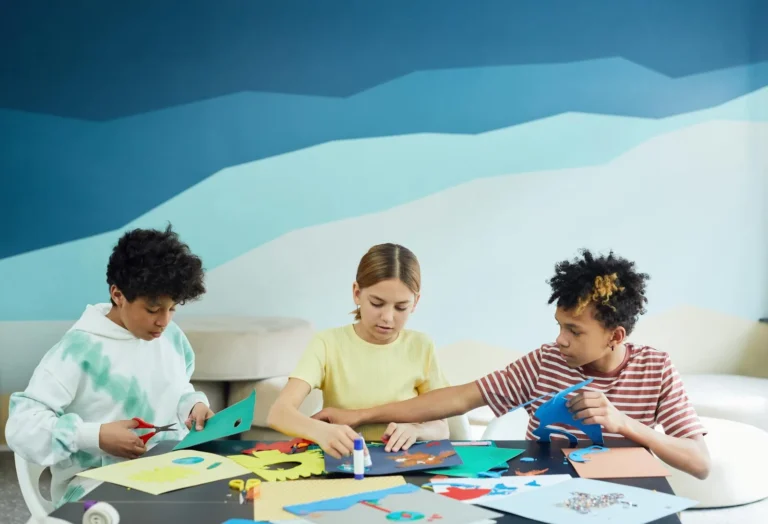
A teen vision board works best when it is built around two or three real, near-term goals (one semester, one summer, one season of a sport) instead of a full life plan. The high school version of “the rest of your life” changes about four times before graduation, and a board that tries to picture all of it ages badly. A board for the next eight months ages well.
You opened this article for one of two reasons. Either you are fourteen and someone on TikTok said vision boards would help with a hard week, or you teach a high school class and have an hour to fill with something that is not a worksheet. Possibly you are the parent of a teenager and you want to do this together at the kitchen table next Saturday. Whichever lane you are in, the guide below works the same way: pick goals you can name in one sentence, glue images of those things to a board, hang it where you walk past it every day, and refresh it in three months.
There are 25 idea categories at the bottom, sorted by goal, that you can use as a starting menu. The rest is short and example-heavy on purpose.
The short version: Pick two or three concrete goals for the next eight months (not your “future”). Find one image per goal that is the literal thing, not a mood. Glue them on a poster board with one anchor quote. Hang it on the wall above your desk, not in a notebook. Update it before each new semester. That is a working teen vision board.
A teen vision board is a physical or digital collage of images, words, and goals that a teenager assembles to focus attention on what they want over the next school year, season, or other near-term horizon. It is the same idea as an adult vision board, scaled to the shorter time horizon a high schooler actually plans for.
Two things make the teen version different from an adult one:
Time horizon. Adults sometimes build a one-to-five-year board. Teens do better with one semester to one school year. Past that, the targets move too fast.
Identity, not legacy. Teens are figuring out who they are, not building a career empire. A teen board leans heavily on “the person I am becoming” cues (style, friend group, activities), not just on outcome targets.
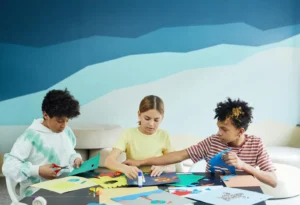
If you are reading this as an adult making one with a teen, leave room for them to be cringe at it for the first ten minutes. The cringe is part of how this lands. By the time they have cut out the third magazine image, they are usually invested.
How to make a teen vision board (5 steps, adapted for the teen brain)
The five-step routine below is the practical one. Skip the “set your intention” preamble. Teens know when you are stalling.
Pick two to three goals you can name in one sentence each. “Make captain of the team by the end of spring.” “Save $400 for the festival weekend in July.” “Drop my screen time below three hours a day.” Not “be successful,” not “be happy.” Specific or skip it.
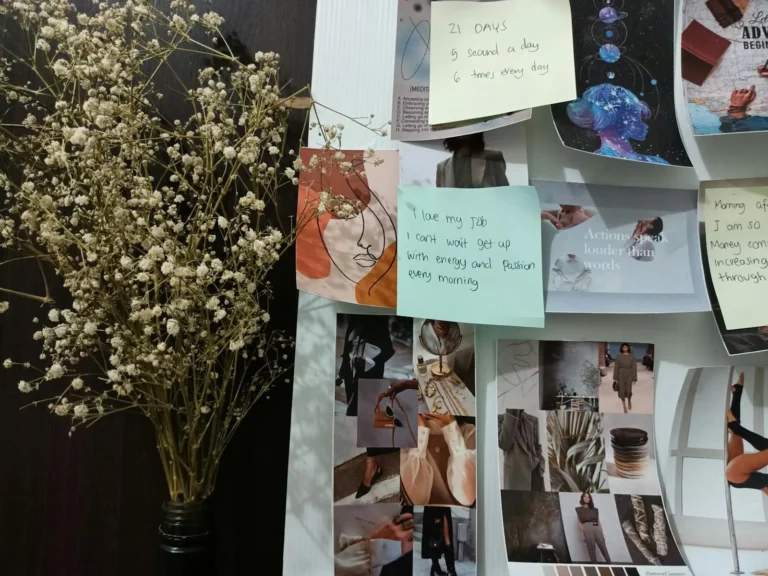
Find one image per goal. A real photo: the bleacher you want to sit in as a varsity player, the actual savings tracker (a printable one or a screenshot), the textbook for the AP class with a sticky note saying “B+.” Not a vibe.
Add one anchor quote. Just one. Not eight. Something that resets you on a bad day. A quote you would actually say in your head, not one that sounds like it belongs on a coffee mug.
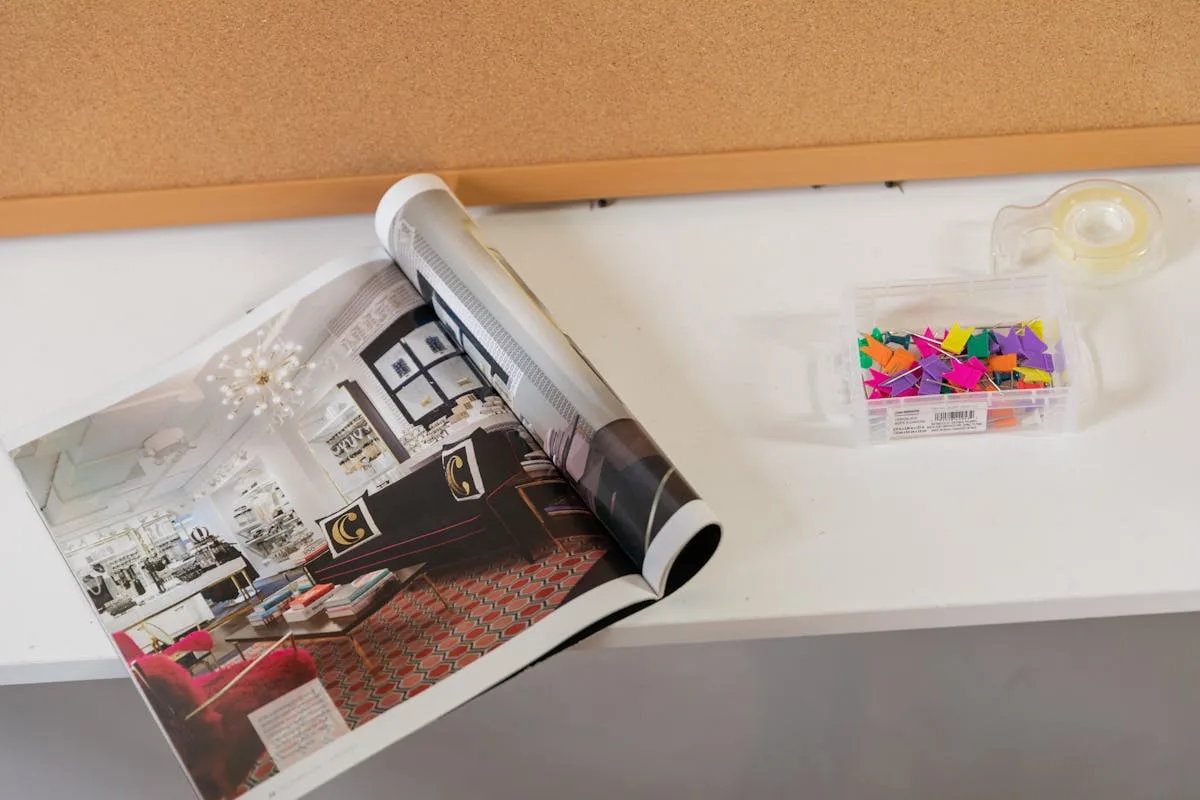
Glue it onto a poster board (or pin it onto a cork tile). Cheap poster board from any dollar store is fine. Cork is better if you want to swap things out without restarting. The vision board supplies guide has the full four-item starter list.
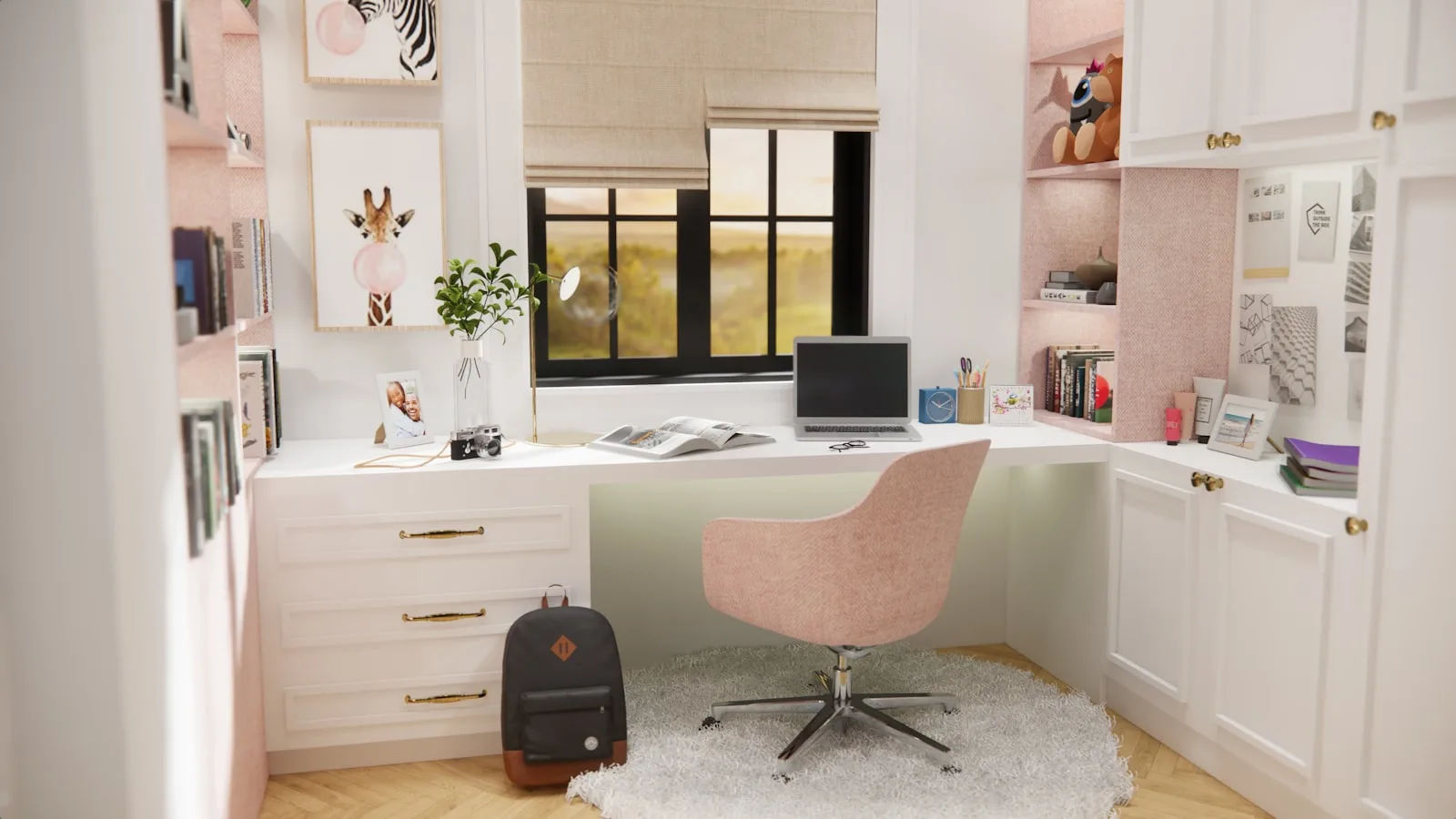
Hang it above your desk, not in a notebook. Boards in notebooks get forgotten. Walls do not. If you cannot put holes in the wall, use Command strips or washi tape. If you live in a dorm, the inside of the closet door counts only if it is open every morning.
Refresh it before each new semester. Take a phone picture of the old board first, so you remember what your fall self cared about.
What to put on a teen vision board
A teen vision board usually mixes academic goals, social and identity cues, body or sport goals, money or job targets, and creative or college goals. The exact ratio depends on what year of high school you are in. A ninth grader’s board looks nothing like a senior’s, and that is the point.
A working teen board usually has:
One academic anchor. A class you want to finish strong, a test score target, an audition or tryout, a scholarship application date.
One social or identity image. The friend group you are building, the aesthetic you want to dress closer to, the type of person you want to be at lunch.
One body or sport goal. Running a 5K, hitting a specific lift number, making the varsity bench, learning a dance, or just sleeping more than five hours a night.
One money or job target. $200 saved by spring, your first job interview, a babysitting or freelance gig.
One creative or passion thing. A song you want to finish, a sketchbook to fill, a YouTube channel to launch, a college portfolio to build.
The fastest way to ruin a teen board is to put parents’ goals on it. If your mom wants you to take more AP classes, that goes on her board, not yours.
25 teen vision board ideas by goal
The list below is a starter menu. Pick three to five, not all of them. Aim for the ones that would make you actually do something different on a Tuesday.
Academic and school
The GPA number you want by the end of the semester, in your own handwriting.
A picture of the building of your top-choice college, or the logo of a community college program you are eyeing.
The cover of a textbook for a class you want to finish strong.
A photo of the AP exam date circled on a calendar.
A “scholarship application by [date]” sticky note.
Social and identity
A photo of the friend group dynamic you want (a candid, not a posed shoot).
A cutout of the style or outfit aesthetic you are moving toward.
A list of three people you want to spend more time with.
A photo of a lunch table or club room you want to be a regular at.
A “no” list: three things you are saying no to this semester (drama, group chats, doom-scrolling).
Body, sport, and health
The varsity jersey of a sport you are trying out for, or the dance studio you want to audition at.
A picture of the actual gym, track, or pool you train at.
A sleep target (eight hours, every weeknight) written somewhere visible.
A “5K by spring” goal with the race date.
A photo of a breakfast or pre-practice meal that you actually want to make for yourself.
Money and job
A printed savings tracker with a real number (not “save more”).
A photo of the first thing you are saving up for: prom dress, concert ticket, summer trip.
A screenshot of a job listing you are going to apply to.
The name of the babysitting or tutoring gig you want.
A photo of the bank or app where the money will actually live.
Creative, passion, and college
The sketchbook, instrument, or camera you want to use more this year.
A photo of a finished thing you want to make: a finished song, finished mural, finished short film.
A piece of writing or art from someone whose work you want yours to grow toward.
A small mockup of a college essay theme, or the deadline of the first one due.
A “post one finished thing online” target, with a date.
Where should a teenager put their vision board?
Hang the board somewhere you walk past every single morning, ideally above the desk where you do homework or beside the mirror you check before school. The inside of a closet door is the most common teen choice, and it works if the door stays open. The single biggest mistake is sticking the board in a notebook, where you have to actively choose to open it.
A few placement tips:
Bedroom wall above the desk is the strongest spot. You see it every time you sit down to do work.
Beside the mirror you use every morning is second-best. Same trick as adults.
Inside the closet door, if the door is open during the day.
Phone lock screen as a digital backup, especially if your parents are touchy about wall holes. A phone photo of the board is fine here. Or design a digital one in Canva and use it as wallpaper.
Avoid putting it inside a binder, a notebook, or a folder. A board you have to choose to open is a board you will forget about by week three.
Vision board ideas for parents, teachers, and youth group leaders
If you are running a vision board session for a group (a high school health class, a youth group meeting, a club retreat), three things make the difference between a useful hour and an awkward one:
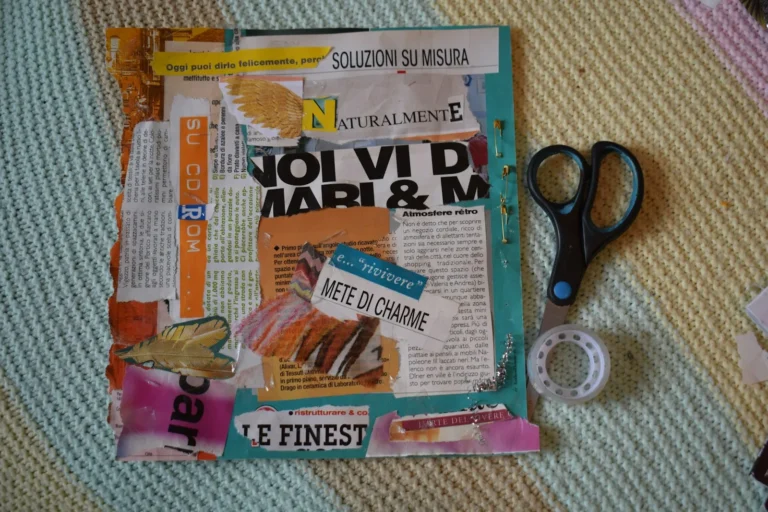
Bring a free magazine pile, not a $40 kit. The dollar store has a small selection. A library free-pile is even better. Old issues of Seventeen, Vogue, National Geographic, and Sports Illustrated are denser for teen imagery than fresh magazines.
Set the time horizon out loud. Tell them: “This is for the next semester, not your whole life.” That single sentence unlocks the session for half the room.
No sharing required. Some teens will want to walk around and show theirs off. Others will tuck it in a folder and never speak of it again. Both are correct.
For the materials list, the vision board supplies guide has the four-item starter kit. If you would rather grab a ready-made bundle, the vision board kits roundup compares the paid options.
Frequently asked questions about teen vision boards
What is a good age to start a vision board?
There is no minimum age, but vision boards tend to land best around twelve and up, when teens are old enough to set their own goals rather than mirror a parent’s. Younger kids (eight to eleven) can make beautiful boards, but they will usually be closer to mood collages, which is also fine.
How many things should be on a teen vision board?
Three to five focused goal images, plus a small handful of supporting visuals and one or two anchor quotes. Eighteen images of eighteen things spreads attention too thin. The point of the board is to point your eye at a few specific outcomes every morning, not to fit everything you might want.
Can vision boards actually help with school goals?
There is solid research behind the idea that visualizing specific goals, paired with a plan for the obstacle, improves goal pursuit (see our vision boards for manifesting explainer for the studies). For school goals specifically, the board works best when paired with a small daily action like checking the upcoming test calendar, not as a stand-alone wish.
Should a teen vision board be made on a phone or on paper?
Both work. A paper board hung where you actually look at it every day usually outperforms a digital one buried in a phone gallery. But a digital vision board set as your phone wallpaper is a real working board, because you see it every time you unlock your phone. The one that fails is the one you never look at.
What if my teen does not take it seriously?
That is fine for the first ten minutes. By cutout number three, most teens are quietly invested. The job of the adult in the room is to provide the materials and the time, not to enforce the seriousness. Boards work even when the teen will not admit they are working.
Build it this weekend
A teen vision board is not a life plan. It is three or four real things to look at every morning for the next eight months, on a poster board above your desk. Cheaper than the kit, faster than the planning, more effective than the goal you never wrote down.
Want a free starter pack of quote cards that sound like real teen voice? Grab our printable vision board quote set: anchor lines and affirmation prompts you can print at home and glue straight on the board. Sign up below and we will send it over.
Get free junk journal printables
New printables, page ideas, and paper craft tutorials, straight to your inbox.
The only vision board supplies you actually need to start are a board, some images, scissors, and a glue stick. The Pinterest hauls with the gold-foil stickers and twelve magazine subscriptions are doing one thing well: separating you from your money before you have made a single page. You set aside a Sunday for this….
How to write goals that work on a vision board: the four kinds every working board needs, the number-and-date trick, placement rules, and the review cadence that keeps the board alive.
Eleven free vision board printables across templates, quote cards, worksheets, themed paper, and trackers. The categories that actually help and the ones to skip.
The vision board materials that actually matter and the ones to skip. Black foam board over poster, tape runner over glue stick, magazines, and the three quiet upgrades nobody puts in a kit.
How to host a vision board party for four to eight friends. Supply math per guest, three-hour schedule, snacks that do not interrupt cutting, prompts to push past the obvious cutouts.
The seven vision board books worth reading, sorted by who each one is for. Plus the patterns that quietly mark a book as filler before you spend the money.
Manage Consent
To provide the best experiences, we use technologies like cookies to store and/or access device information. Consenting to these technologies will allow us to process data such as browsing behavior or unique IDs on this site. Not consenting or withdrawing consent, may adversely affect certain features and functions.
Functional
Always active
The technical storage or access is strictly necessary for the legitimate purpose of enabling the use of a specific service explicitly requested by the subscriber or user, or for the sole purpose of carrying out the transmission of a communication over an electronic communications network.
Preferences
The technical storage or access is necessary for the legitimate purpose of storing preferences that are not requested by the subscriber or user.
Statistics
The technical storage or access that is used exclusively for statistical purposes.The technical storage or access that is used exclusively for anonymous statistical purposes. Without a subpoena, voluntary compliance on the part of your Internet Service Provider, or additional records from a third party, information stored or retrieved for this purpose alone cannot usually be used to identify you.
Marketing
The technical storage or access is required to create user profiles to send advertising, or to track the user on a website or across several websites for similar marketing purposes.